table of contents
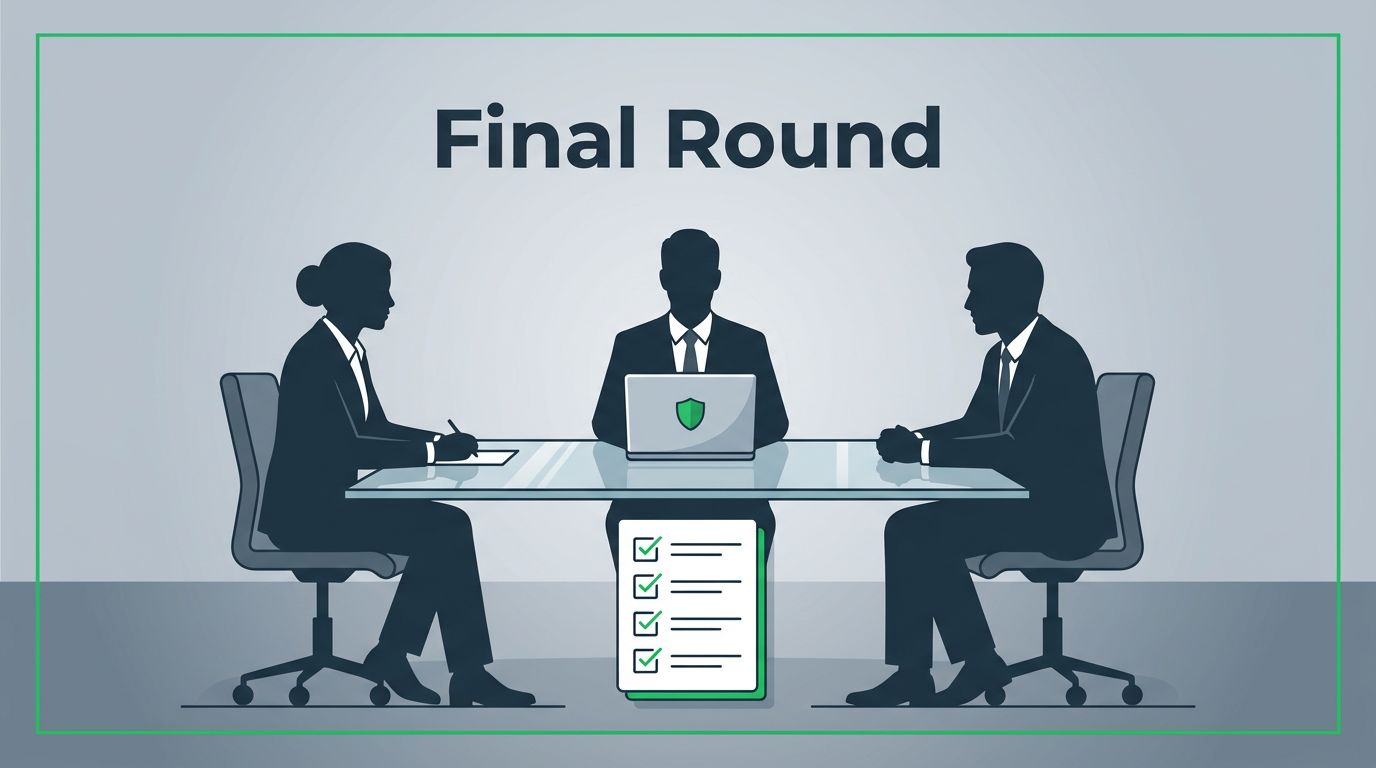
Final-round interviews can win or lose senior security candidates in a single day. In a market where cloud security architects, IAM specialists, and security leaders have options, the candidate experience matters as much as the questions.
The strongest teams treat the last round like a trust test. They move quickly, protect confidentiality, and make every minute count. This checklist keeps your security candidate experience sharp when the pressure is highest.
Plan the final round before the candidate walks in
A good final round starts before the candidate joins the call or enters the room. If the schedule is vague, the candidate feels it immediately.
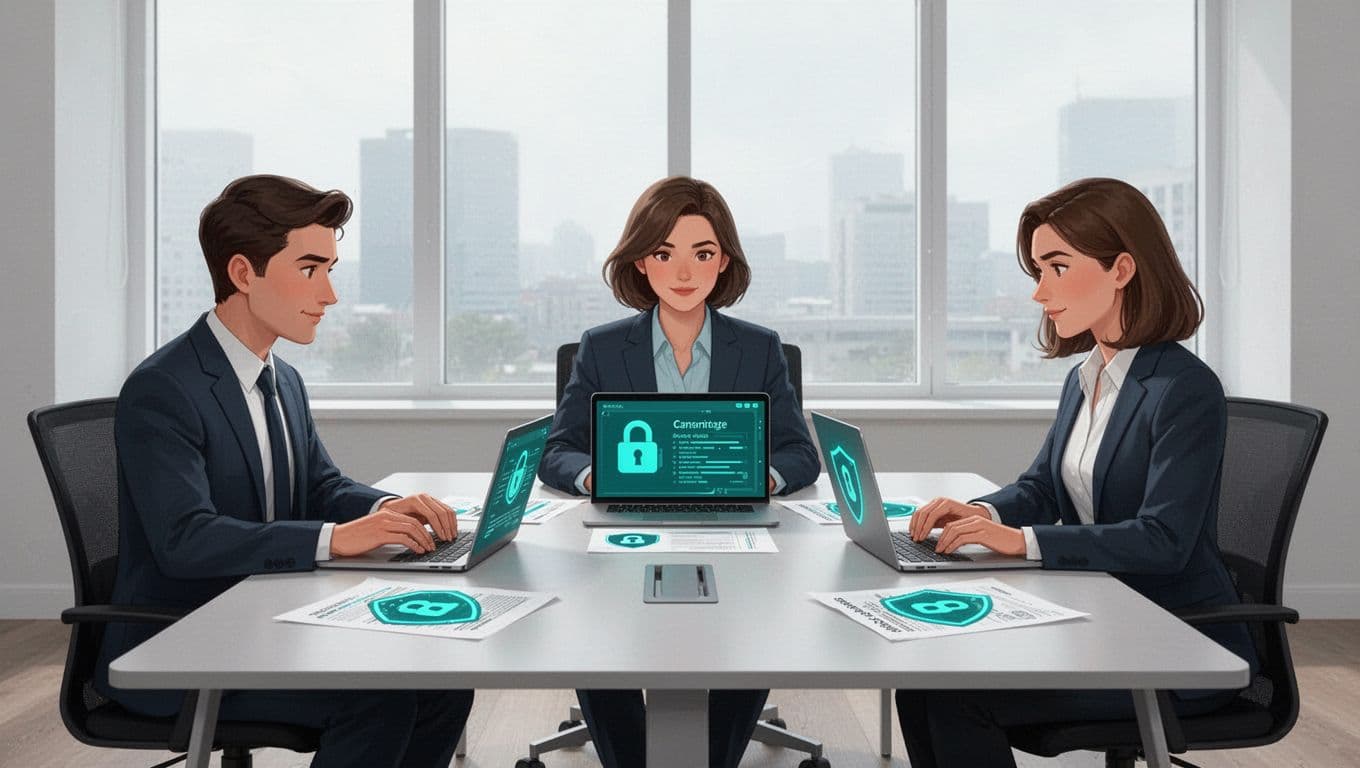
Send a clear agenda 24 hours ahead. Name the interviewers, the time blocks, and the topic for each session. That helps candidates prepare without guessing.
- Give the candidate the interview format in advance.
- Share the business problem or scenario they will discuss.
- Keep the panel tight, with only people who add real signal.
- Brief each interviewer so they do not repeat the same questions.
- Protect sensitive details when the search touches incidents, internal gaps, or a backfill.
If the search is confidential, tell the candidate who can see the schedule and who cannot. That small step builds trust fast.
When the plan is clear, the candidate can focus on the work. That lowers stress and makes your team look organized.
Use the final interview to test judgment, not endurance
Senior security talent does not need a marathon. They need a room that can assess how they think under pressure. A final round should feel like a working session, not a pop quiz.

A confusing final round feels like a warning sign.
A quick comparison shows where candidate experience often breaks down.
| Candidate concern | Better practice | Why it helps |
|---|---|---|
| Too many repeated questions | Assign each interviewer one theme | Keeps energy up and shows respect |
| Hidden or vague goals | Share the purpose of each segment | Helps candidates prepare well |
| Overly broad technical drills | Use one realistic role-based scenario | Reveals judgment faster |
| Long silence after the meeting | Set a clear decision window | Reduces drop-off and anxiety |
Candidates remember how calm the room felt as much as what was asked. That matters in cybersecurity hiring, where senior people are often comparing several offers at once.
A focused final round also helps your hiring team compare people fairly. That makes the decision cleaner and the process faster.
Reduce technical fatigue without lowering the bar
Technical interview fatigue is real, especially for in-demand security roles. By the final round, candidates may have already walked through architecture reviews, threat models, or incident scenarios.
The fix is not a softer interview. The fix is a tighter one.
- Use one deep scenario instead of three similar ones.
- Ask follow-up questions that build on the candidate’s answer.
- Include a practitioner who can judge the work, not just the résumé.
- Leave room for the candidate’s questions, since strong security people are also vetting you.
- Split the loop across two shorter sessions if the topic is broad.
For example, a DevSecOps leader can walk through pipeline risk and release gates. An IAM candidate can explain how they balance friction and control. Those prompts show how they work without turning the interview into a stress test.
That approach keeps the bar high and the room useful. It also helps candidates show depth without feeling rushed.
Close the loop fast after the final round
The final stage is where many teams lose great people. Slow follow-up makes candidates wonder if the offer is already fading.
Fast communication matters because it affects offer acceptance and time-to-hire. It also shapes your employer brand, which security candidates talk about with each other.
- Confirm the next step before the meeting ends.
- Share who owns the decision.
- Send a short thank-you and timeline update the same day.
- Explain delays directly if approvals take longer than planned.
Respectful updates matter even when the answer is no. Clear communication is one of the easiest ways to keep strong security talent engaged for the future.
If your team wants help tightening final-round hiring for senior security roles, Book a Discovery Call with Bud Consulting.
The best final rounds leave the candidate with clarity, not guesswork. That matters even more in cybersecurity, where good people have options and weak processes travel fast.
A strong security candidate experience feels focused, private, and respectful. When the final round does that well, candidates stay engaged, and your team gets a better shot at the hire.