table of contents
Most breaches still start with people, not malware. Early 2026 reporting keeps pointing to the same problem, the human element shows up in most incidents through phishing, misdelivery, bad access choices, or cloud misconfigurations.
A strong security champions program changes that pattern. It gives each team a trusted peer who can spot risky habits early and help people make better decisions under pressure.
That matters because remote work, SaaS sprawl, shadow IT, and GenAI tools keep widening the gap between policy and practice. The fix is embedded support inside the teams where mistakes happen.
Why this model works in 2026
Human error stays stubborn because work moves fast. One person approves a risky SaaS app, another pastes client data into a public AI tool, and a tired engineer ships an exposed storage bucket. None of that looks dramatic in the moment. Later, it becomes an incident.
That risk is still huge in 2026. Recent reporting says about 95% of breaches include a human factor. Recent breach patterns also keep pointing to misdelivery, misconfiguration, and publishing mistakes as common causes. A champions model targets those exact failure points before they turn into tickets, outages, or audit pain.
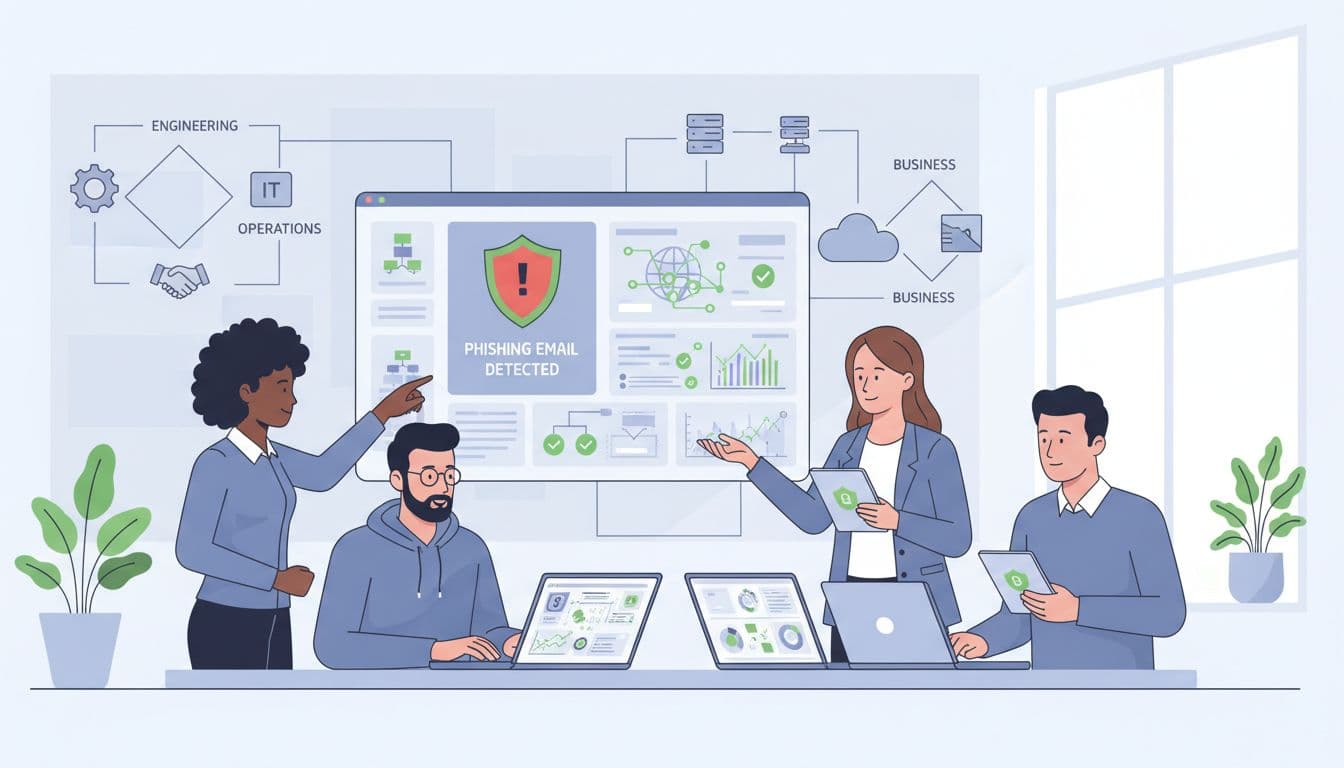
Good programs don’t create mini security cops. They create local translators inside engineering, IT, operations, finance, HR, and sales. That approach lines up with SecureFlag’s guide to building a security champions program.
The best champions aren’t rule enforcers. They’re local guides who make the safe path the easy path.
15 practices that make the program stick
The best programs are simple, repeatable, and visible. These 15 practices work because they turn security into daily team behavior, not a yearly reminder.
Build the right foundation
1. Pick volunteers with influence. Choose people teammates already trust, not whoever has spare time. Small firms can start with three to five volunteers, while larger firms often map one champion to each product squad or core function.
2. Give them time and manager backing. A title without protected time fails fast. Reserve a few hours each week, and add champion goals to manager check-ins and performance plans.
3. Cover more than engineering. Human error also lives in IT tickets, procurement, HR data handling, and finance approvals. Put champions in business teams where phishing, fraud, and shadow IT often begin.
4. Train by role, not by policy deck. Developers need secure coding and threat modeling, while IT needs identity and SaaS hygiene. Business teams need social-engineering drills tied to invoices, approvals, and customer data.
5. Give champions a simple playbook. They need clear paths for reporting risks, asking AppSec for help, and escalating exceptions. For a practical structure, the Security Champion Program Success Guide is a useful reference.
Put security into daily work
6. Run realistic phishing and pretext drills. Generic tests teach little. Tailor scenarios to payroll changes, MFA fatigue, fake vendors, and remote support requests, then coach people right after the click or report.
7. Put secure defaults into the workflow. Champions help teams add pull request checks, secrets scanning, threat-model prompts, and approved cloud patterns. That matters because the easiest path usually becomes the normal path.
8. Create a fast intake path for new SaaS tools. People bypass policy when approval takes weeks. Champions can route requests through a short risk review that checks data use, identity, logging, and vendor access.
9. Set GenAI guardrails people can follow. Most teams already use copilots, chat tools, or AI note takers. Champions should define what data can’t be pasted, which tools are approved, and how to review AI-generated code or content.
10. Reduce access mistakes at team level. Champions can flag stale admin rights, shared accounts, and weak joiner-mover-leaver steps. Short monthly reviews inside each team beat one giant annual cleanup.

Measure, reward, and scale
11. Review mistakes without blame. If every miss becomes public shame, nobody reports near misses. Hold short retros on misdelivery, misconfigurations, and phishing clicks, then change one control or habit after each review.
12. Give champions a real community. Lone champions burn out. Monthly meetups let them swap attack trends, compare fixes, and carry the same message back into their teams.
13. Reward the behavior you want. Public thanks, promotion signals, and small training budgets go a long way. If you want a benchmark for cadence and staffing, AppSecSanta’s build and scale guide offers practical ranges.
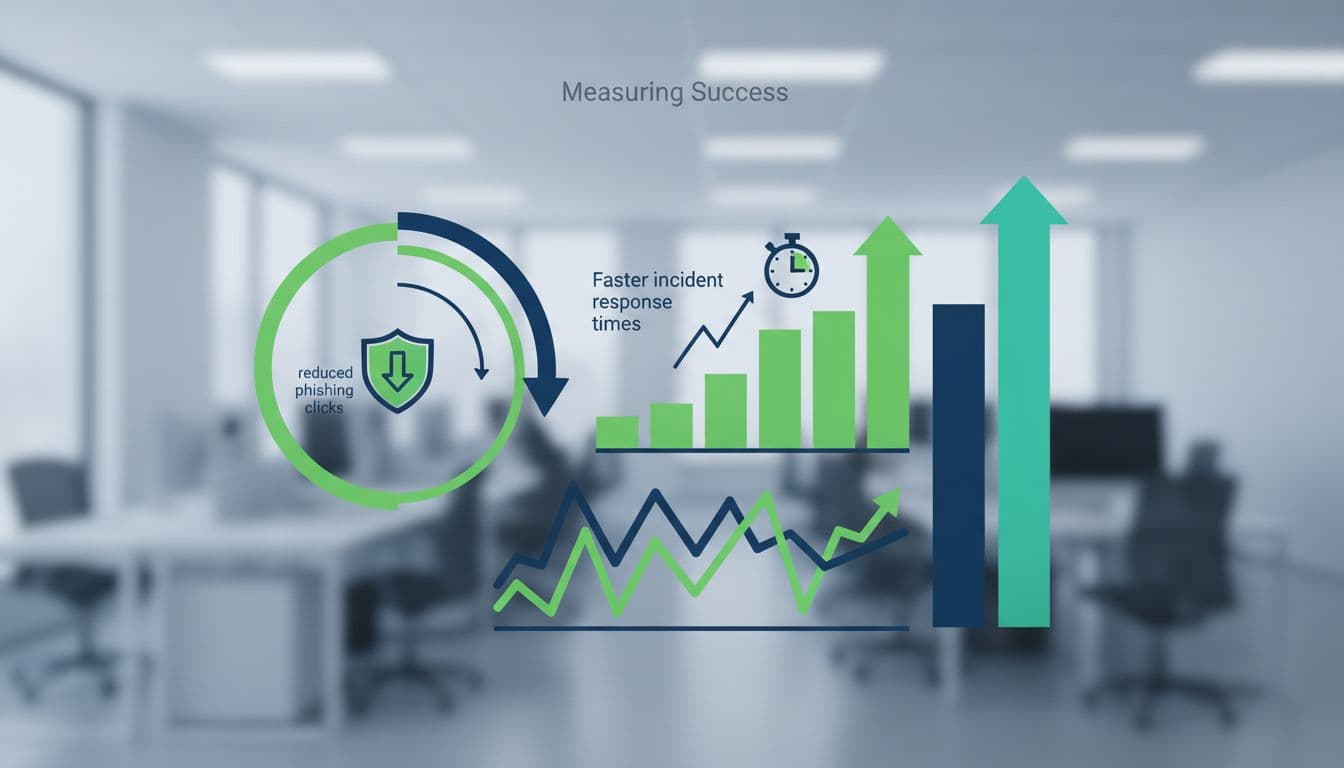
14. Track a short KPI set. Measure phishing report rate, repeat click rate, mean time to fix findings, threat models done before build, shadow IT requests reviewed, and exception age. Small teams can track five metrics, while large firms should split results by business unit.
15. Prove value with pilot teams first. Run the program in one engineering squad, one IT team, and one business function for 90 days. Then compare incident trends, fix speed, and policy exceptions before you scale.
Turn peer influence into safer habits
People will always make mistakes. The point of a security champions program is to catch them earlier, shrink the blast radius, and turn good choices into team habits.
Start small, but don’t keep it vague. Pick respected volunteers, give them time, train by role, and track a few hard outcomes.
Choose one pilot group this quarter and measure what changes. When peers help peers, human error stops being your biggest blind spot.