table of contents
When a cyber incident hits, silence can be more dangerous than the alert itself. A bad update spreads confusion, and a late one damages trust. That is why the security communications lead matters so much in incident response.
This role is not a generic comms job with a cyber label pasted on. You need someone who can translate technical facts, keep messages tight, and work with legal, PR, security, and executives at the same time. The right hire helps the company speak with one voice when the pressure is highest.
What this role owns during an incident
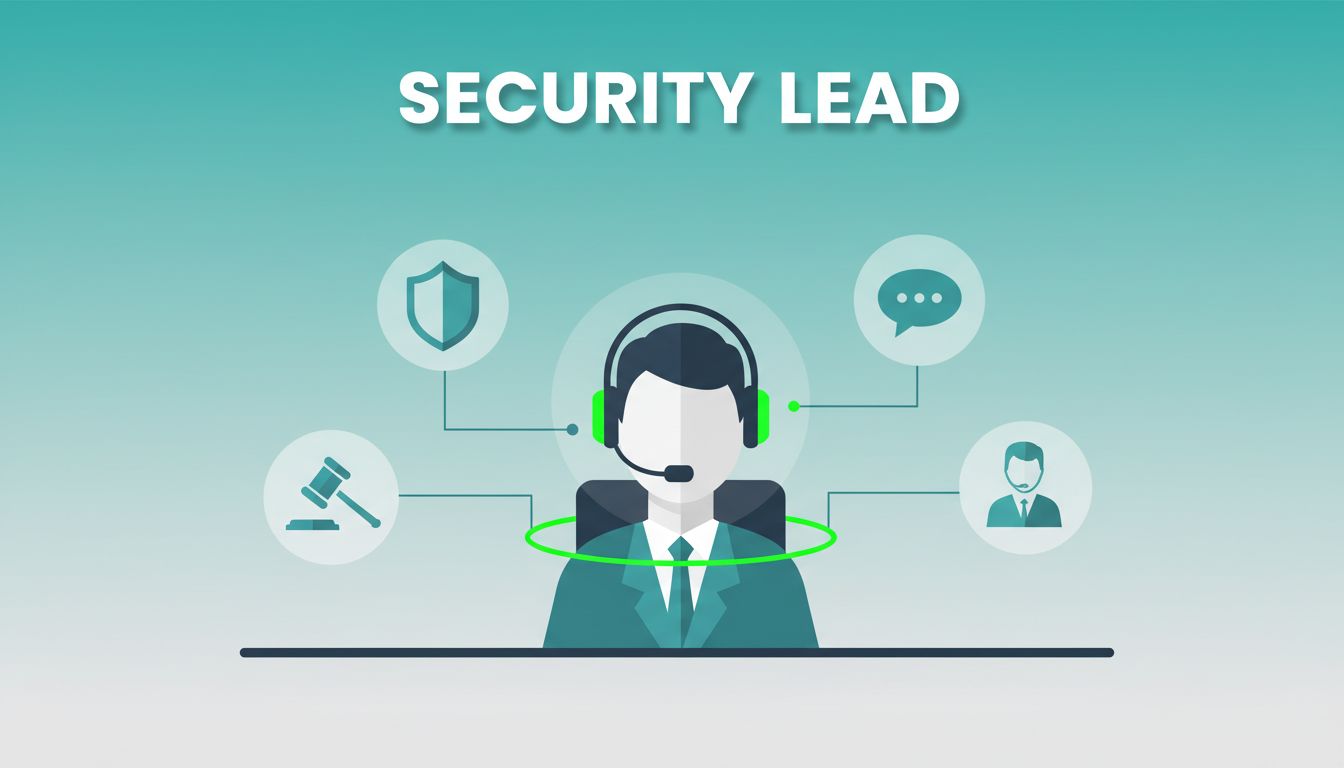
A security communications lead turns technical findings into usable updates. They do not replace the incident commander or the lawyers. They keep the message moving while those teams handle investigation and risk.
This role sits close to the incident commander, but it should not get trapped in technical noise. It needs a clear line of sight into the response, plus enough distance to shape the message for each audience.
A good job description should cover first notices, executive briefings, employee alerts, customer language, and media holding statements. It should also include support for regulator and law-enforcement coordination, because those conversations often shape what can be said and when. Sygnia’s incident response communication strategy is a useful model, since it separates technical response from message control.
The person you hire should own:
- The first holding statement, so the company has a clear answer before rumors spread.
- The update rhythm, so executives and staff know when to expect the next message.
- The approval path, so legal, PR, and security are not fighting over wording in real time.
- The external tone, so customers and media get facts without speculation.
If the message is fuzzy, the incident gets harder to contain.

Skills that matter when facts are incomplete
The best candidates write fast, but they do not write loosely. They can explain a phishing incident, a cloud exposure, or a compromised endpoint in plain language that a CEO can use.
They also know how to pause. In the first hour, facts are incomplete. That is normal. The job is to communicate what is known, what is still being checked, and when the next update will land. Exabeam’s incident response team roles guidance makes this split clear, because the communications lead has to speak to management, internal teams, legal, press, customers, and sometimes law enforcement.
Look for a candidate who can switch audiences without losing the thread. A board update and a customer note may share facts, but they need different levels of detail.
Look for these skills:
- Crisp writing under time pressure.
- Judgment about what should wait for legal review.
- Confidence in executive rooms and incident war rooms.
- Discipline with version control and approvals.
- Comfort handling tough media or customer calls.
- Enough cyber fluency to ask the right questions, not fake expertise.
A candidate does not need to be a security engineer. They do need to understand incident language well enough to avoid sloppy wording that creates more work later.

A hiring checklist that fits incident response
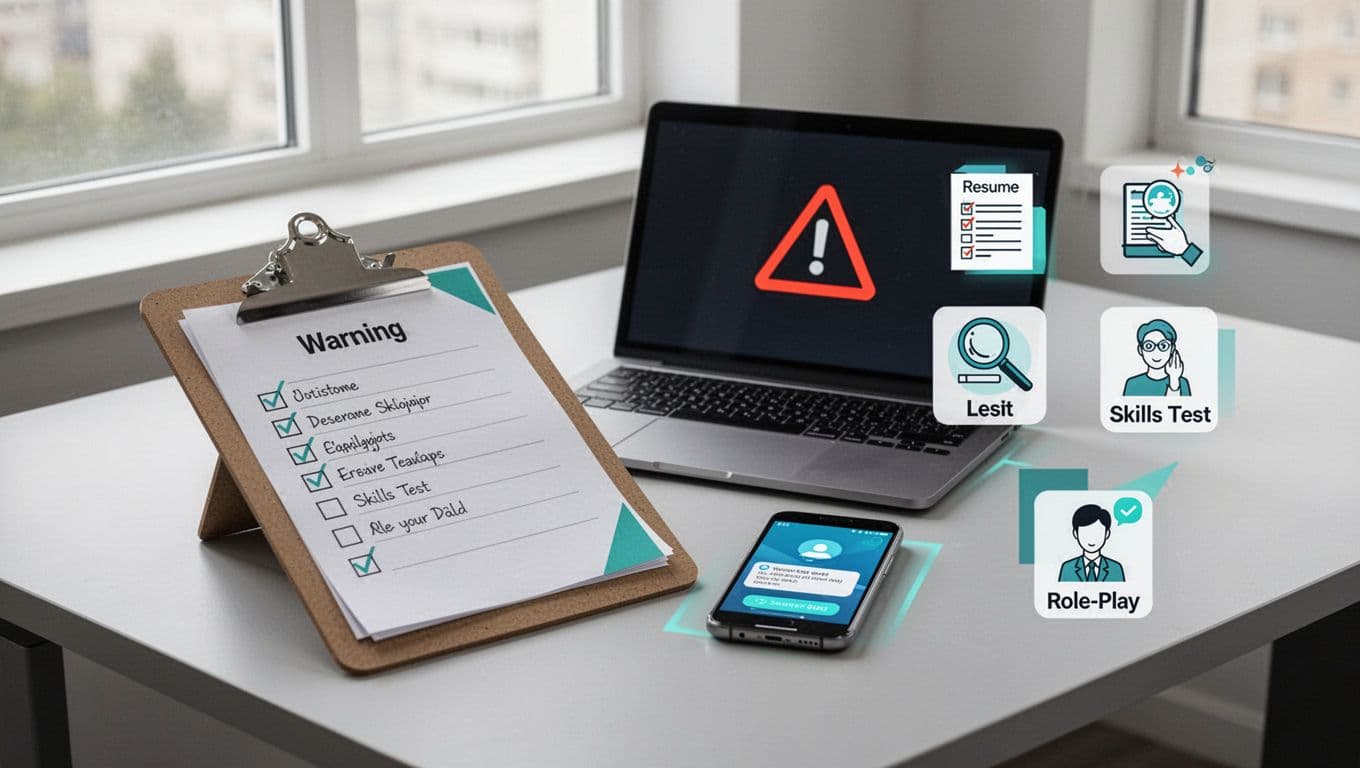
A practical checklist keeps the interview from drifting into general PR talk. You want proof that the person can perform when facts are moving.
| Area | What to test | Strong answer looks like |
|---|---|---|
| Incident fluency | Walk through the first hour of a breach | They know triage, containment, and escalation order |
| Writing sample | Draft a 150-word holding statement | Clear, short, and free of blame |
| Stakeholder control | Handle pressure from CEO, legal, and customer teams | They protect one source of truth |
| Regulatory awareness | Explain notice and evidence steps | They know when counsel has to weigh in |
| Media discipline | Respond to a reporter during an active incident | They say enough, not too much |
A live exercise tells you more than a polished resume. Give the candidate a scenario, then watch how they write, revise, and defend their choices.
Use interview prompts like these:
- “What do you send in the first 30 minutes after confirmed unauthorized access?”
- “How do you write when security says ‘possible’ and legal wants ‘confirmed’?”
- “What do you tell a reporter when the customer notice is still waiting on approval?”
- “How do you handle regulator questions without overexplaining?”
- “How do you keep employees informed without leaking unverified details?”
You are testing judgment, not performance polish. This is also where specialist experience matters. FTI’s case for cybersecurity crisis communications specialists is a reminder that breach communications needs more than general corporate polish.
Build the role around the response process
A strong hire still needs the right setup. Give the security communications lead access to incident command, legal, PR, HR, compliance, and customer support from day one. If they only hear updates after decisions are made, they cannot do the job well.
That includes after-hours contact paths, a place for rapid legal review, and a clean rule for who speaks to media. Pre-approve templates for employee alerts, customer notices, and executive briefings. Keep an updated contact list. Define who approves what, and how fast. That structure saves time when people are tired and the facts keep changing.
The best teams also review communication after the incident ends. That review should look at timing, clarity, approval delays, and where the message drifted. Those notes make the next response cleaner.
If you need help finding a senior candidate who can handle this mix of pressure, judgment, and cross-functional work, Book a Discovery Call with Bud Consulting.
The hire that protects trust
When a breach hits, the strongest communicator is the one who keeps the company aligned. They do not add noise, and they do not guess.
Hire for incident response judgment first, then for writing skill, media polish, and executive presence. That is how you find someone who can protect trust when every minute counts.