table of contents
A security incident rarely waits for a convenient moment. It hits during a lunch break, a change freeze, or the middle of the night, and the wrong next step can waste precious time.
That’s why a security escalation matrix matters. It gives your team a clear path from alert to action, so people know who owns the incident, who gets pulled in next, and how fast they need to move.
Without that structure, alerts bounce between teams, leaders get looped in too late, and small issues grow teeth. Here’s how to build a matrix that security, IT, and leadership can actually use.
What a security escalation matrix does during an incident
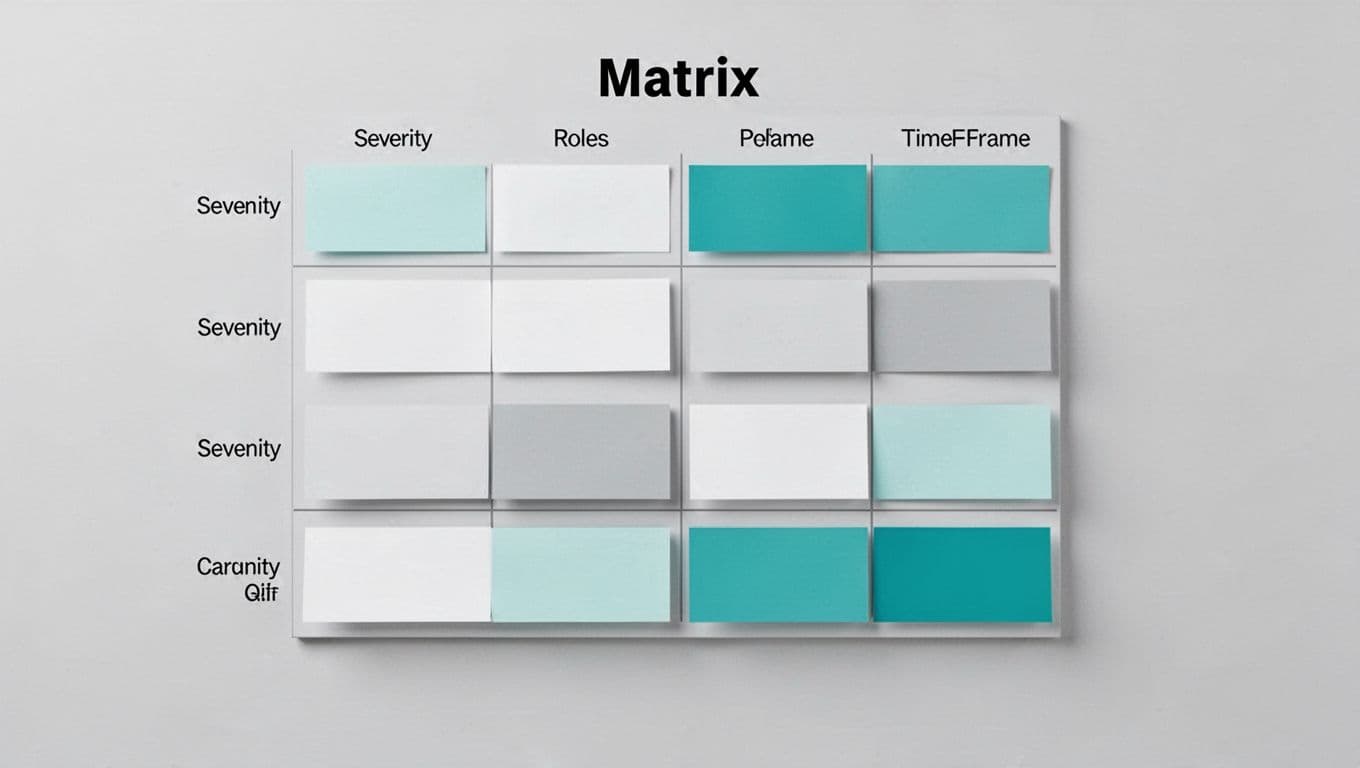
A good matrix is more than a contact list. It’s a decision guide that links incident severity to the right people and the right timeline.
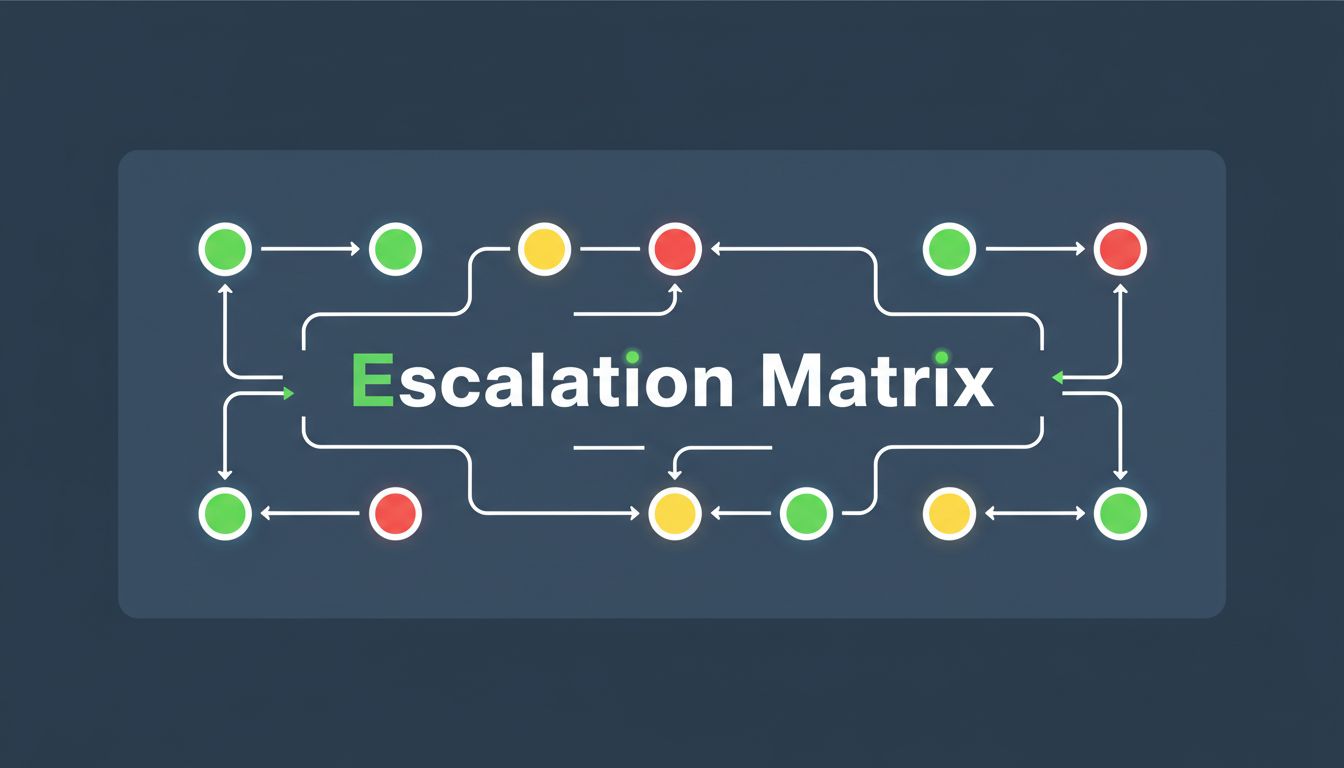
Think of it like a traffic light for response. Green means monitor, yellow means investigate, and red means escalate now. The trick is making that rule set simple enough to follow when stress is high.
If you want to see the basic shape first, incident escalation matrix examples can help you spot the common patterns. The best ones do three things well: they define severity, name ownership, and set a response clock.
If people need to ask who owns the incident, the matrix is too vague.
A strong matrix also reduces conflict. SOC analysts don’t have to guess when to wake up an IT manager. Compliance teams don’t have to chase for updates. Executives get involved only when the situation calls for it.

Define the rules before you assign names
Before you map people, map the logic. That means agreeing on what each severity level means and what triggers an escalation.
A solid matrix starts with four basics:
- Severity definitions: Decide what makes an issue P1, P2, P3, or P4.
- Ownership: Name the first responder and the final decision maker.
- Timelines: Set how fast each level needs a response.
- Communication paths: Define who gets notified, and in what order.
A free escalation matrix template can speed up the first draft, but don’t let the template decide your process. Your matrix should fit your support hours, on-call model, and business risk.
For example, a P1 event might mean active compromise, ransomware, or a customer-facing outage. A P3 event might mean suspicious activity that still needs review but does not threaten operations right away. Clear labels cut down on debate.
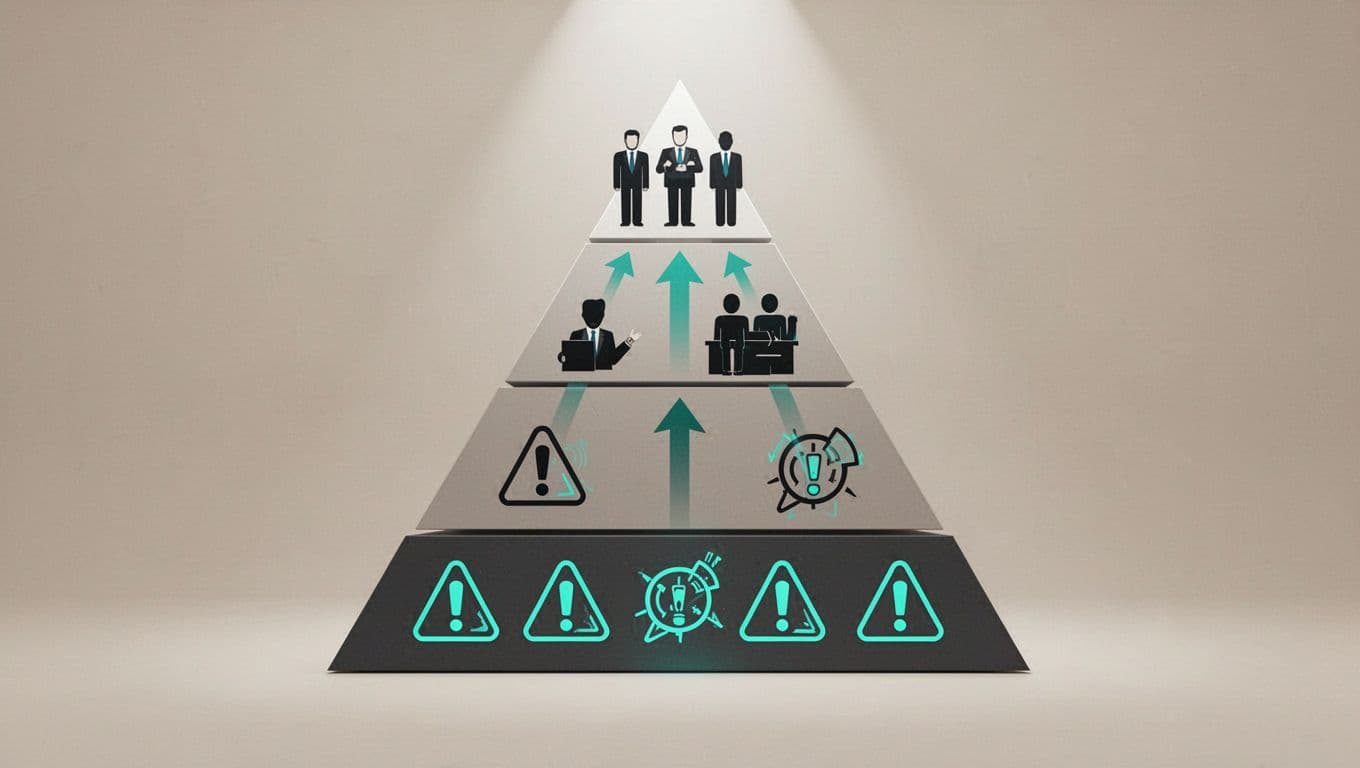
A simple security escalation matrix you can adapt
The sample below gives you a practical starting point. Adjust the titles and times to match your org.
| Severity | Typical trigger | First owner | Next escalation | Target response |
|---|---|---|---|---|
| P1 | Confirmed breach, ransomware, major outage | SOC lead | IR lead, IT ops, CISO, legal | 15 minutes |
| P2 | Malware spread, privileged account abuse, key system down | On-duty analyst | Security manager, system owner | 1 hour |
| P3 | Suspicious login, limited app issue, policy breach | Analyst | Team lead, app owner | 4 business hours |
| P4 | Low-risk alert, false positive, question | Analyst | Queue owner | Next business day |
The exact timing matters less than the consistency. If everyone uses the same matrix, response gets faster and cleaner. If every team invents its own rules, escalation turns into a guessing game.
Also, keep the matrix visible. Put it where SOC staff, IT leads, and incident commanders can find it fast. If the document lives in a folder nobody opens, it won’t help during a live event.
Roll it out across security and IT
A matrix only works when it matches how people really work. That means security, infrastructure, help desk, and leadership all need a say before it goes live.
Start with a short review session, then run a tabletop exercise. Walk through one breach, one outage, and one noisy false alarm. You’ll see gaps quickly, especially around handoffs and after-hours coverage.

A practical rollout usually looks like this:
- Assign one incident owner for every severity level.
- Name backups for nights, weekends, and vacations.
- Test the matrix in a tabletop drill with security and IT.
- Review the rules after every major incident or false alarm.
That last step matters most. Incidents reveal weak points that meetings miss. Maybe the escalation path is too long. Maybe the wrong manager gets notified first. Maybe a compliance step needs to happen sooner.
If your team needs help turning incident process into something people will actually use, Book a Discovery Call with Bud Consulting.
Keep the matrix short enough to trust
The best matrix is the one people remember under pressure. Long charts, vague titles, and too many exceptions slow everything down.
Keep your security escalation matrix simple, current, and tied to real response times. When the next alert lands at 2 a.m., your team shouldn’t need a meeting to decide what happens next.