table of contents
Your security team faces constant pressure. One expert leaves, and suddenly alerts pile up unanswered. Gaps appear in cloud monitoring or incident response. Lean teams can’t afford single points of failure.
Security hiring changes that when you target candidates ready for cross-training. These hires document processes, mentor others, and collaborate with IT or dev ops. They build team depth fast.
You can spot them with the right approach. This guide covers why it matters, key traits, interview themes, and onboarding steps.
Why Cross-Training Matters in Security Teams
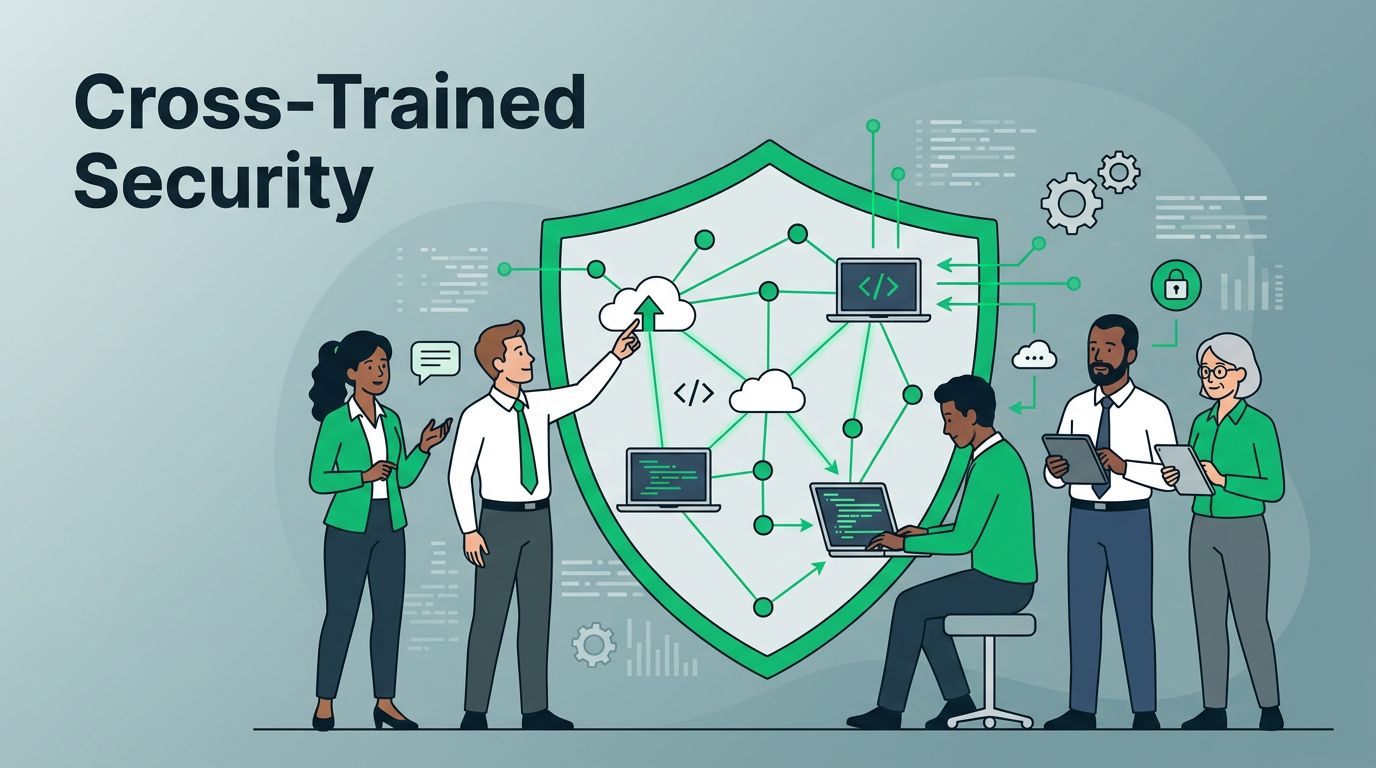
Teams with cross-training handle threats better. A SOC analyst who understands cloud configs spots issues others miss. Developers learn basic vuln scanning and fix code faster. Everyone contributes during outages.
Single-role experts create risks. Budgets stay tight, so turnover hits hard. Cross-trained staff fill gaps. They share knowledge, so no one hoards expertise. Productivity rises because people rotate tasks.
RangeForce outlines benefits of cross-training security teams. They note faster incident handling and better peer learning. INE adds that tech skills from other areas boost security work. For example, networking knowledge helps with lateral movement detection.

Consider a mid-size firm. Their IAM specialist trains ops on access reviews. Now, routine audits happen without delays. Coverage improves across domains like endpoint and app sec.
In short, cross-training cuts downtime. It also aids retention. People grow skills and feel valued. Start with hires who embrace this.
Key Qualities to Look for in Cross-Trainable Hires
Target candidates who explain concepts simply. They document playbooks clearly for juniors. Look for those who have mentored before. Past roles in IT or dev show collaboration skills.
Curiosity drives them. They learn adjacent areas like compliance or threat hunting. Communication stands out too. They bridge gaps with non-sec teams.
Spiceworks shares employee cross-training best practices. They stress picking adaptable people first.

Top qualities include:
- Documentation habit: Writes runbooks or wikis.
- Mentoring experience: Trained peers on tools like SIEM.
- Cross-team work: Partnered with devs on secure coding.
- Learning agility: Certifications in cloud or nets alongside sec.
Test this in resumes. Seek phrases like “created training for ops team” or “collaborated on DevSecOps pipeline.” These hires scale your team without extra headcount.
Interview Questions to Gauge Cross-Training Fit
Ask behavioral questions. They reveal real habits. Focus on past examples.
Start with: “Tell me about a time you taught a non-sec team member a security process.” Good answers show clear steps and follow-up.
Next: “How do you document your daily workflows?” Listen for tools like Confluence or Markdown. They should mention version control.
Probe collaboration: “Describe working with devs to fix a vuln.” Strong replies highlight empathy and joint fixes.
For learning: “What security skill did you pick up outside your role, and how?” Expect specifics, like scripting for automation.
SmartKeys discusses cross-training strategies. They emphasize empathy in hires for better teamwork.
Use a scorecard. Rate on a 1-5 scale for each theme. Top scorers advance. This filters for team builders.
Onboarding and Cross-Training Best Practices
New hires need structure. Pair them with buddies from day one. Assign shadow shifts in other domains.
Week one focuses on basics. Share core docs. Then rotate exposure. For example, SOC newbies join IAM reviews.
Create a framework:
| Phase | Focus | Activities |
|---|---|---|
| Days 1-7 | Team Integration | Buddy pairing, tool access, process overviews |
| Weeks 2-4 | Core Skills | Shadowing, hands-on labs, documentation review |
| Month 2+ | Cross-Domain | Rotations, mentoring sessions, project contributions |
This table speeds ramp-up. After setup, track progress weekly.
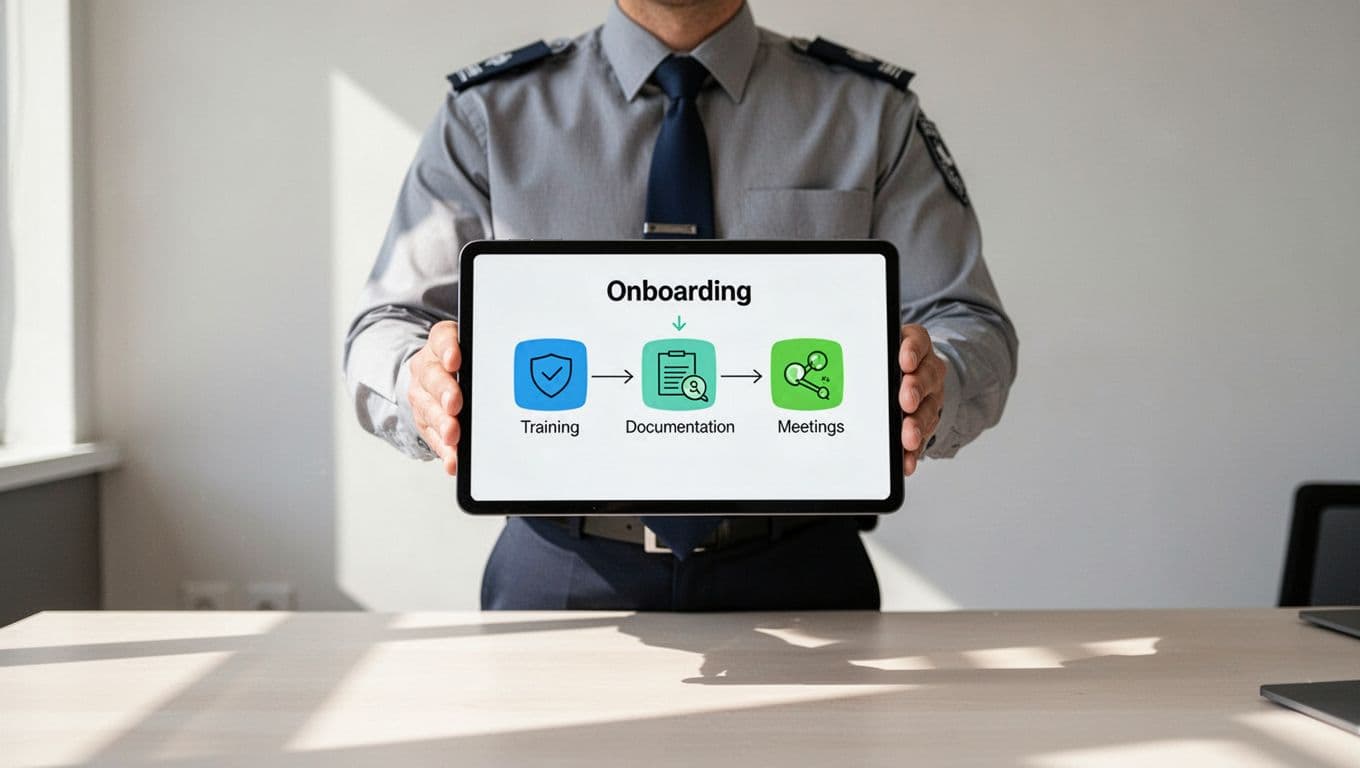
Encourage knowledge shares. Hold bi-weekly brown bags. One person presents a new tool or threat. Reward contributions.
Measure success by coverage. Can two people handle any alert? Adjust as needed.
Make Cross-Training Your Hiring Edge
Smart security hiring prioritizes cross-trainers. They document, mentor, and collaborate. Your team gains depth and speed.
Teams with this approach weather storms better. Gaps close fast. Knowledge spreads.
Ready to build yours? Book a Discovery Call with Bud Consulting for tailored sourcing.
(Word count: 982)