table of contents
A slow security hiring panel costs more than time. It lets strong candidates drift into other pipelines and leaves teams arguing over details after the interviews end.
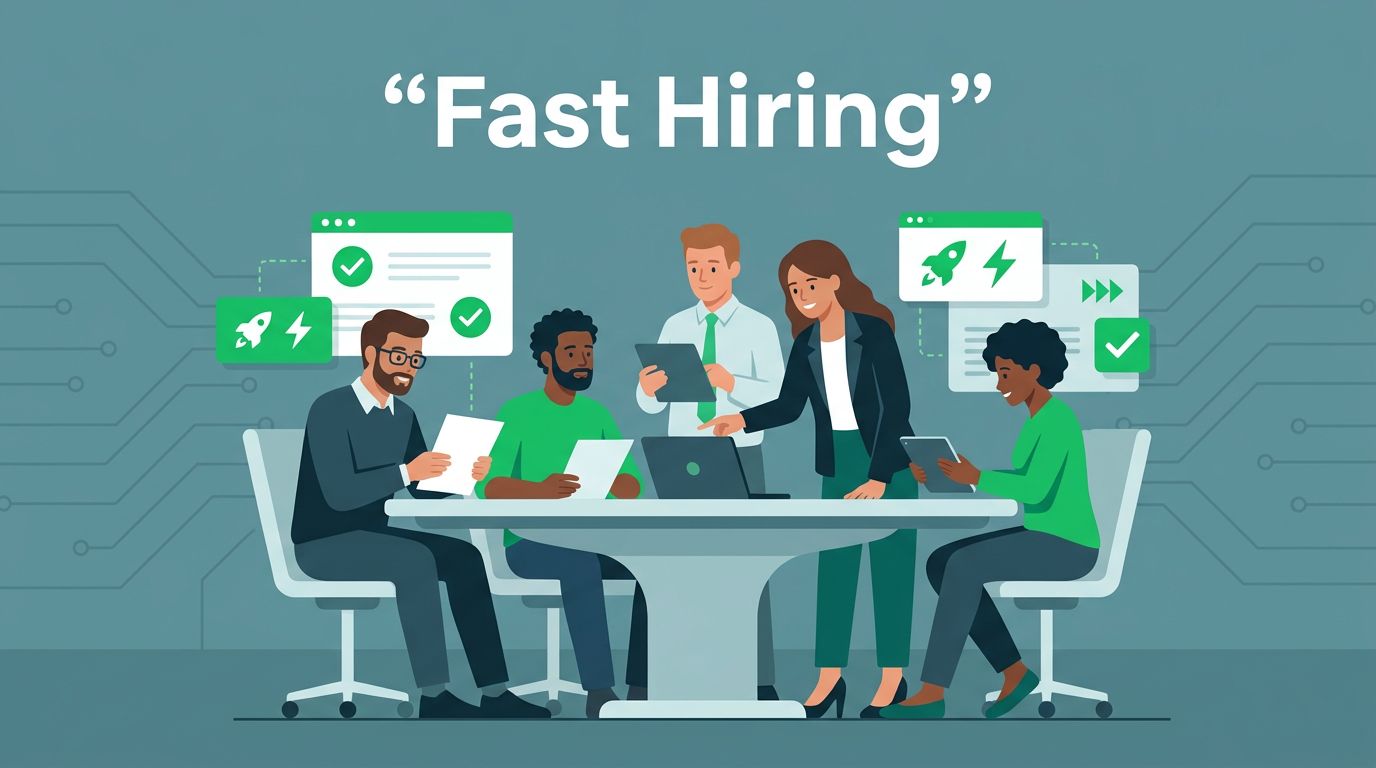
Speed comes from structure. When each person has a clear role, the panel can make decisions in one pass, without a second round of guesswork.
Design the panel around the decision, not the org chart
The best panels are small. For most security engineering, cloud security, detection, and GRC roles, three or four interviewers are enough. Leadership searches may need five, but only if each person brings a different lens.
For a useful baseline on panel interview best practices, start with one rule, every panelist must add unique signal. One person owns the hiring bar, one owns technical depth, one checks cross-functional fit, and one handles the final decision. If a person cannot explain their lane, they do not belong in the room.
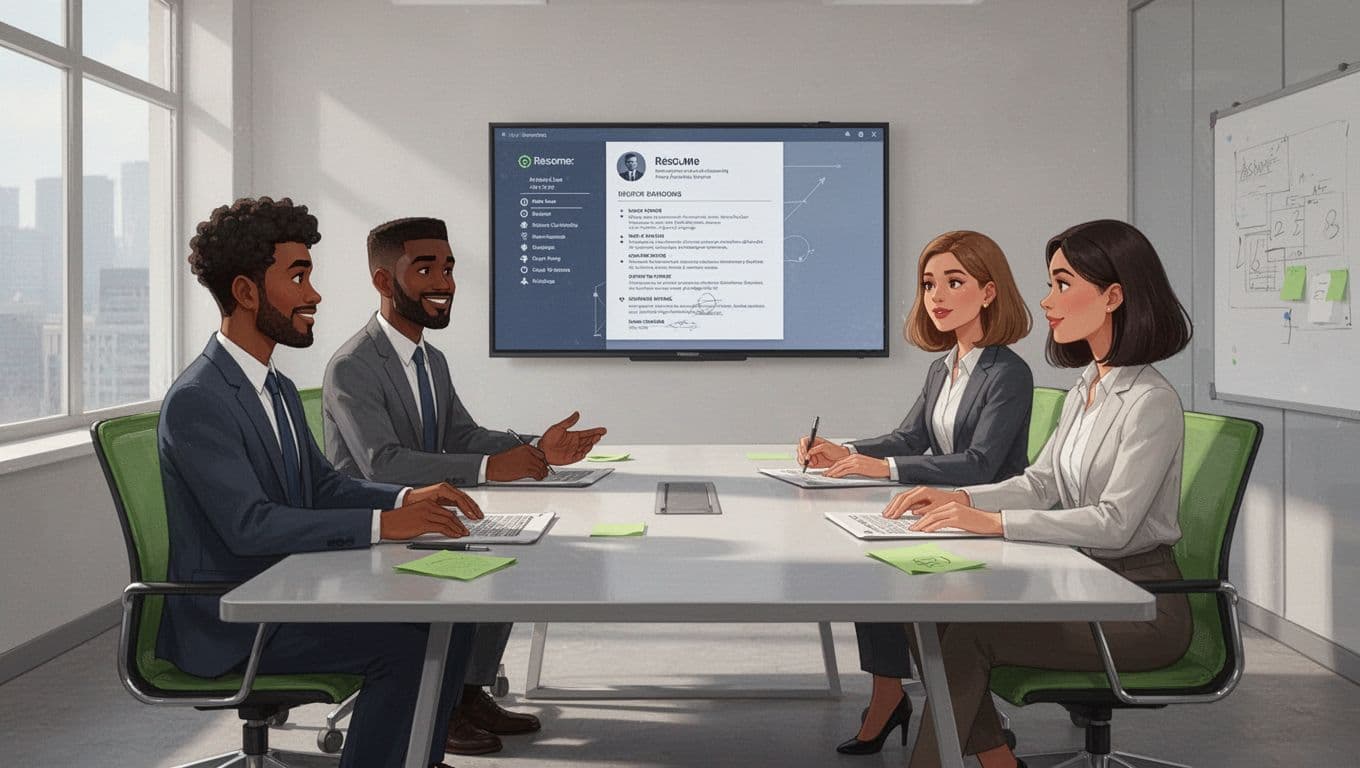
A simple panel map works well across security roles:
| Role | Best fit | What they own |
|---|---|---|
| Hiring manager | All roles | scope, bar, final call |
| Technical peer | Engineering, cloud, detection | depth, tradeoffs, execution |
| Cross-functional partner | GRC, response, program roles | communication, alignment, handoffs |
| Exec sponsor | Manager and leadership roles | priorities, impact, leadership |
For a security engineer, the peer can be a senior engineer or staff architect. For detection roles, use a SOC lead or incident responder. For GRC, add a risk or compliance partner. The point is simple, every seat should change the decision.
Use one scorecard, not five opinions
Fast panels slow down when every interviewer improvises. A shared scorecard keeps everyone focused on the same signals, which is why structured scorecards for IT interviews work so well in security hiring too.
Use a 1 to 5 scale. Ask interviewers to write evidence before they discuss the candidate. Keep the rubric tied to the role, not to vague ideas like “fit” or “polish.”
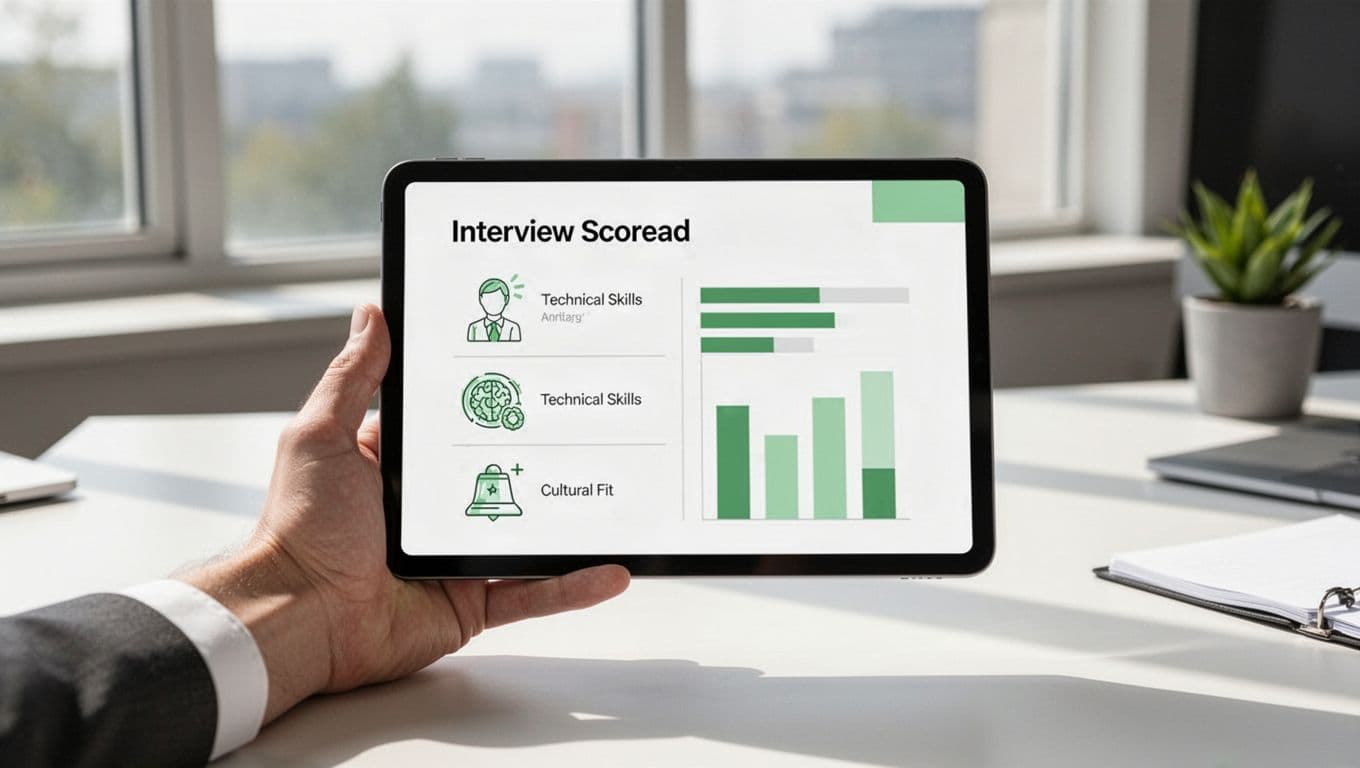
These categories work across many security roles:
| Category | What strong answers sound like |
|---|---|
| Technical depth | accurate, current, role-specific |
| Judgment and tradeoffs | balances risk, speed, and effort |
| Communication | clear, calm, and concise |
| Execution | breaks work into steps and names dependencies |
| Ownership or leadership | sets direction and follows through |
That framework changes with the role. Cloud security interviews should test identity, network, and policy thinking. Detection roles should probe telemetry, tuning, and response speed. GRC interviews should test how well someone explains risk in plain language. Leadership panels should ask about prioritization, conflict, and team building.
When the scorecard is tight, feedback gets faster and cleaner. The panel spends less time debating style and more time reviewing evidence.
Set SLAs before the first candidate lands
Speed needs deadlines. Otherwise, the process slows between interviews, which is where good candidates disappear.
A solid recruitment SLA framework gives every stakeholder a clock to work against. That clock should cover scheduling, prep, feedback, and decisions.
| Action | SLA target | Why it matters |
|---|---|---|
| Schedule first-round interviews | within 24 hours of shortlist | keeps interest high |
| Send candidate prep pack | 48 hours before interview | reduces repeats and confusion |
| Submit written feedback | within 2 hours after interview | captures fresh signal |
| Hold debrief meeting | within 24 hours of final round | avoids delay and drift |
| Make hire or no-hire call | within 48 hours of final round | protects momentum |
If feedback waits until tomorrow, the candidate has already compared other offers.

The fastest teams also set an interview prep standard. Each panelist should get the resume, the scorecard, and the focus area before the meeting. That alone removes half the chaos.
Reduce bias and panel fatigue without slowing the loop
Bias grows when interviews are loose. Fatigue grows when interviewers repeat the same conversation all week. Both problems slow hiring and weaken decisions.
For a practical view of how to remove bias from the hiring process, the answer is not more meetings. It is better structure.
Use these guardrails:
- Keep the panel to people who add new signal.
- Ask the same opening questions for every candidate.
- Collect written scores before any group discussion.
- Cap each interviewer at two or three interviews a day.
- Replace vague “culture fit” language with job behaviors.
Diverse panels help, but only when everyone uses the same rubric. Without that, the panel can drift into a polite pile of opinions. With it, the team gets faster and fairer at the same time.
For senior security hiring, that matters even more. A cloud security architect, a detection lead, or a future CISO cannot be judged on charm alone. The panel should test how they think, how they communicate, and how they make calls under pressure.
The fastest panels are the clearest ones
A fast hiring panel is not a rushed one. It is a disciplined one. The best teams know who sits on the panel, what each person owns, and how long each step should take.
When you pair a tight panel design with one scorecard and firm SLAs, hiring moves faster without losing quality. That is the kind of process candidates notice, especially in competitive security searches.
If your team is hiring across security engineering, cloud security, detection and response, GRC, or leadership roles, Book a Discovery Call with Bud Consulting to shape a panel that can make strong decisions quickly.