table of contents
A weak security hiring process doesn’t always fail loudly. Sometimes it just gets slower, sloppier, and more expensive until the whole team feels it.
You might see good candidates disappear after first contact. You might keep reopening the same role. Or you might hire fast, then lose the person six months later. Those are not random problems. They’re signs the process itself needs a reset.
The clearest warning signs show up in the numbers
When security hiring goes off track, the metrics usually tell the story before the team does. If you’re seeing the same frustrations again and again, stop blaming the market first. Look at the process.

| Symptom | What it usually means | What to measure |
|---|---|---|
| Long hiring cycles | Decisions move too slowly, or too many people need to approve each step | Time to shortlist, time to offer |
| High candidate drop-off | The process feels confusing, slow, or out of touch | Stage-to-stage conversion rates |
| Repeated backfills | The role, pay, or expectations don’t match reality | Early attrition, time to rehire |
| Poor quality of hire | Interviews are inconsistent, or the job scorecard is weak | 90-day performance, retention, manager feedback |
If one role sits open for months, that’s already a problem. If several security roles behave the same way, the process is broken.
The most common blind spot is the job description. Many teams write it like a wish list. They ask for five tools, three certifications, cloud depth, GRC fluency, and executive polish. That may sound thorough. In practice, it scares off strong candidates who know what they bring.
For a useful benchmark, look at ISC2’s 2025 hiring trends study. It reinforces a simple point, teams need realistic skill expectations and a process that supports learning, not just perfect resumes.
Why good people keep dropping out
Candidate drop-off usually starts before the interview loop ends. In cybersecurity hiring, top people often have more than one option. They won’t wait for a vague process to sort itself out.
Unclear roles are a big cause. A candidate may apply for a cloud security role, then learn the job is really part architecture, part IAM admin, and part audit support. That mismatch wastes everyone’s time.
Slow feedback creates another leak. If a recruiter waits five days to reply, then another week for a manager review, strong candidates keep moving. They don’t always tell you they’re gone. They just stop showing up.
Interview inconsistency hurts too. One interviewer wants threat modeling depth. Another wants tooling experience. A third asks general leadership questions. The candidate leaves with no clear path to a yes or no.
That’s why cybersecurity hiring is deeply flawed in many organizations. The issue is not only talent shortage. It’s also process design.
Broad security hiring has the same problem. Whether you’re filling a SOC analyst seat, a physical security manager role, or a VP of security, candidates can feel when the team has not agreed on what good looks like.
Poor quality of hire starts before the offer
A bad hire rarely comes from one bad interview. More often, it comes from a fuzzy process that never defined success.
If new hires struggle in week one, then the interview may have rewarded confidence over competence. If they struggle in month three, the role may have been oversold. If they leave before the first year ends, the team probably hired for a gap, not a fit.

This is where many teams fall into the “post and pray” trap. They publish a role, wait for applicants, and hope the right profile appears. In 2026, that approach is too slow for hard-to-fill roles. Proactive cyber hiring works better because it starts with target skills, current market data, and a tighter view of what the team actually needs.
Repeated backfills are another warning sign. When the same job reopens every year, or every quarter, the process has not solved the root issue. Either the job was misread, the pay was off, or the onboarding support was thin.
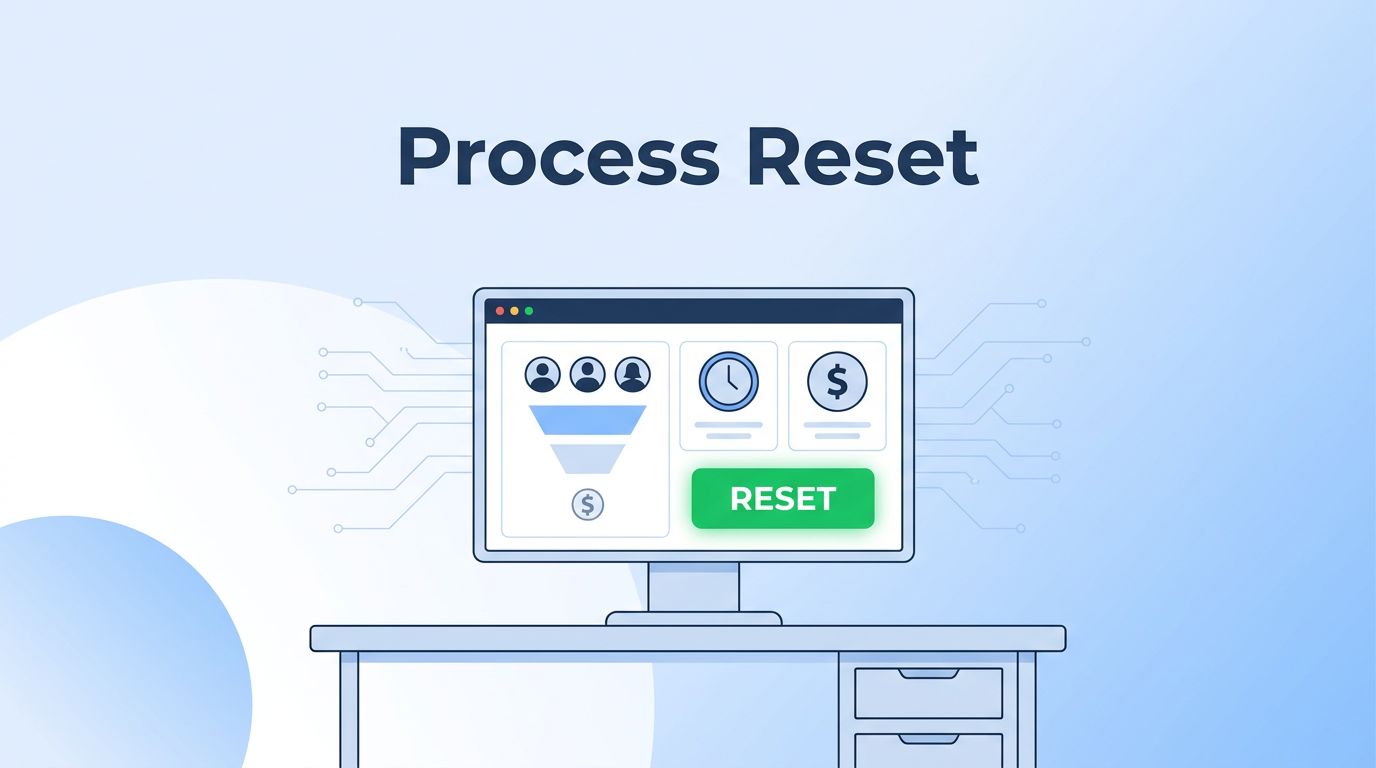
How to reset the process before the next vacancy
Resetting security hiring does not mean starting from zero. It means tightening the parts that cost time and trust.
Start with a shared scorecard. Security leaders, recruiters, and hiring managers should agree on the top three outcomes for the role. Not ten. Three. For example, “reduce alert noise,” “support cloud posture reviews,” or “own IAM operations.”
Then rewrite the job description around those outcomes. Cut vague language. Remove requirements that are only nice to have. Keep the tools and certifications that matter most.
Next, standardize the interview loop. Each interviewer should own one area. One person checks technical depth. Another checks problem solving. Another checks communication or stakeholder fit. That keeps the process fair and easier to compare.
Finally, track the funnel every week. Watch time to shortlist, stage drop-off, offer acceptance, and first-year turnover. If one stage keeps failing, fix that stage first.
If the process changes every time, your hiring results will too.
A reset also means fewer false shortcuts. Don’t skip calibration because the role feels urgent. Don’t treat every open seat like a separate project. And don’t ask recruiters to guess what security leaders mean.
If your team needs help tightening the process for cyber or broader security roles, Book a Discovery Call with Bud Consulting.

Common mistakes that keep the old process alive
Even after a reset starts, some habits drag teams back.
One mistake is hiring only for urgency. That creates rushed interviews and costly turnover.
Another is keeping the interview panel too large. Too many voices slow decisions and blur accountability.
A third is ignoring recruiter-security leader alignment. If both sides define the role differently, the candidate gets mixed signals.
The last mistake is failing to review outcomes after the hire. If the new person struggles, the team should ask what the process missed. Otherwise, the same pattern repeats.
Security hiring should feel precise, not chaotic. When the process is clear, strong candidates move faster, hiring managers decide faster, and new hires settle in with fewer surprises.
The warning signs are usually plain to see. Slow cycles, high drop-off, repeated backfills, and poor quality of hire all point to the same issue. The fix starts when the team stops treating hiring as a one-time task and starts treating it like part of security operations.