table of contents
A major event can look calm right up until it isn’t. One gate failure, weather shift, medical surge, or access breach can push a venue into fast-moving confusion.
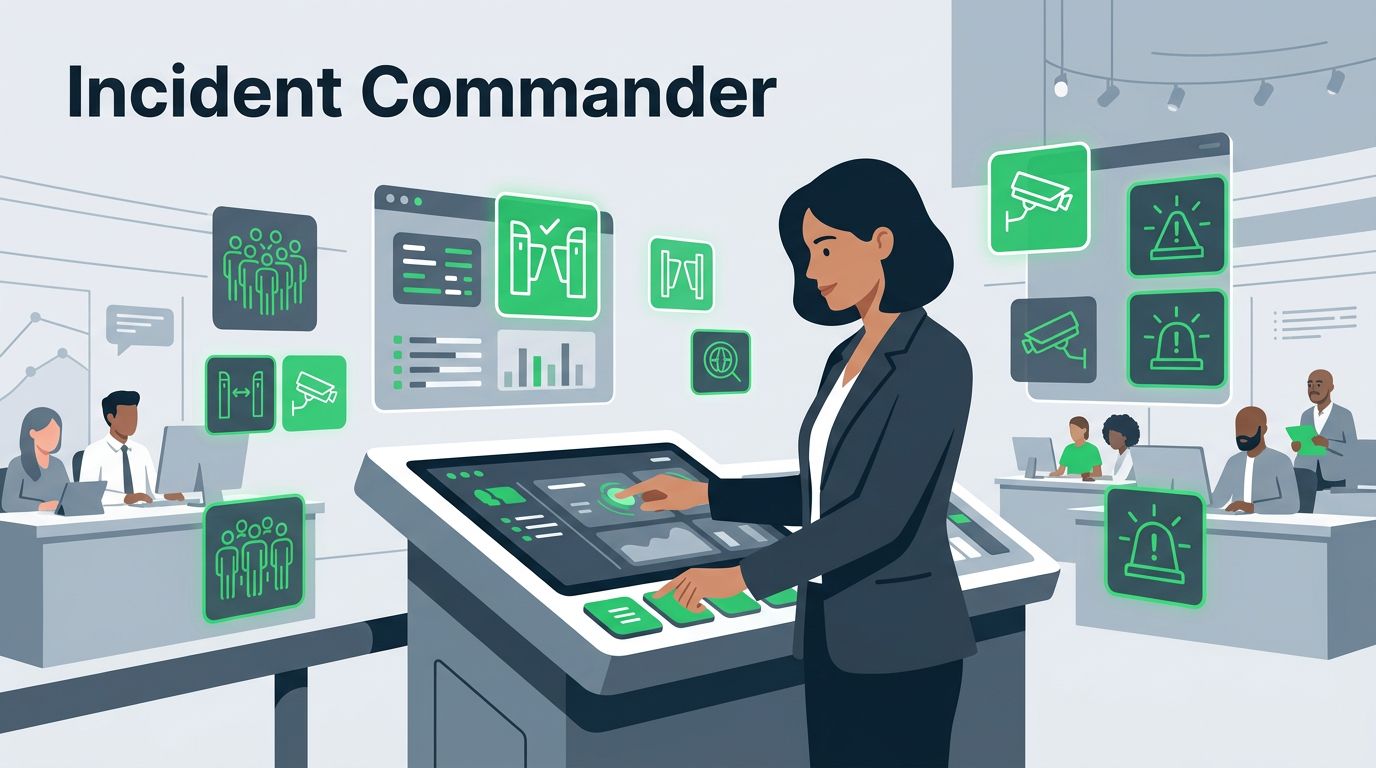
That is why the security incident commander matters. You are not hiring a stronger guard or a smoother scheduler. You are hiring the person who can take control, set priorities, and keep every team moving in the same direction.
For high-attendance events, that role needs more than security experience. It needs command presence, clean communication, and the discipline to document decisions under pressure. The best hires make complex scenes look organized because they know who should act, when to escalate, and what can wait.
Why a major event needs a real incident commander
Large events fail in predictable ways. Too many people make local decisions without one shared picture. A gate team calls for help. Operations reroutes crowds. Security tightens access. Meanwhile, no one owns the full response.
That gap costs time. It also increases risk. In a crowd event, small delays can spread fast through parking, entrances, loading zones, and public areas.
A real incident commander solves that by creating one chain of command. The role sets objectives, assigns tasks, and keeps the response focused on life safety, crowd movement, and business continuity. That sounds simple, but it is hard when radios are busy and decisions carry legal weight.
This is why many event teams borrow from the Incident Command System, or ICS. FEMA’s ICS guidance for planned events shows how planned gatherings can use a clear structure before trouble starts. The point is not paperwork. The point is clarity when the clock is moving.
When the scene gets messy, the best commander reduces noise, not adds to it.
A strong incident commander also protects the event owner. Clear authority lowers confusion about who approved what, who knew what, and when action started. That matters when the incident later turns into a claim, review, or public question.
What the role covers once the event is live
On event day, the incident commander is not sitting in the background waiting for a crisis. The role stays active from opening to close. The person watches the operating picture, spots weak signals, and makes sure the right people stay connected.
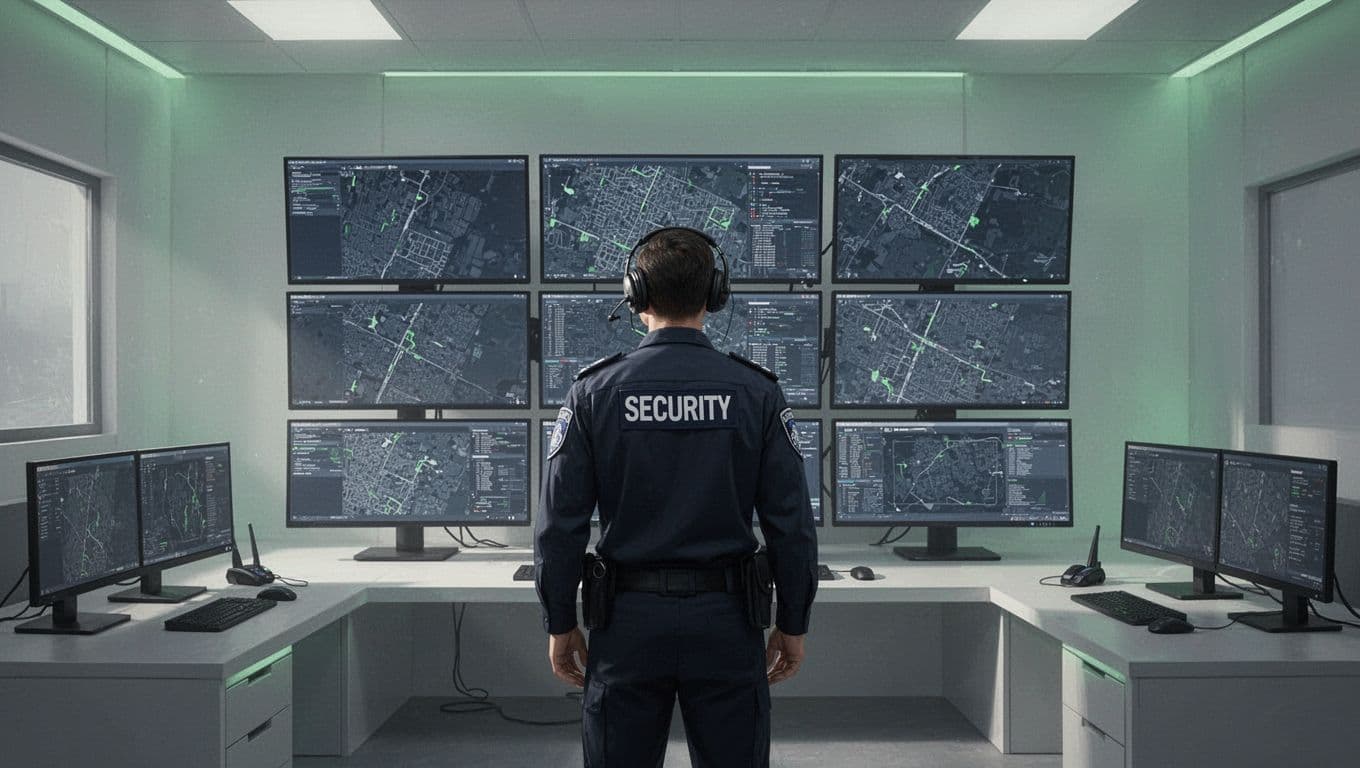
The job often includes these actions:
- Setting incident objectives in plain language
- Deciding whether the issue stays local or escalates
- Assigning work to security, venue ops, EMS, or police
- Keeping one log of decisions and status updates
- Managing updates to executives and event leadership
- Tracking what has changed, what is pending, and who owns the next step
- Handing off cleanly when the event ends or a new commander takes over
The commander does not need to do every task personally. In fact, trying to do that usually slows the response. What matters is direction, pace, and coordination.
The best event commanders also keep an eye on side effects. A response to one problem can create another. For example, locking a gate may improve control but create a crowd pileup at another entrance. A good commander sees those tradeoffs early.
The role also depends on the scale of the event. A corporate summit with VIP traffic needs a different rhythm than a festival with multiple zones. Still, the core stays the same. One person owns the response. Everyone else knows where they fit.
Security manager vs. incident commander: a role comparison
This distinction matters because many job postings blur the two roles. A security manager and a security incident commander can overlap, but they are not the same job.
| Dimension | Security manager | Security incident commander |
|---|---|---|
| Main focus | Routine protection and staffing | Directing response during incidents |
| Authority | Oversees the security function | Sets incident priorities and objectives |
| Scope | Mostly security operations | Cross-functional, often venue-wide |
| Tempo | Planned, steady, repeatable | Fast, shifting, sometimes chaotic |
| Success measure | Coverage, compliance, readiness | Safe resolution, clarity, documentation |
| Best use | Daily operations and supervision | Major events and escalated incidents |
A good security manager understands patrols, access control, post orders, and vendor coverage. That helps, but it does not automatically translate into command.
A true incident commander can make decisions under pressure without getting trapped in details. They know when to push responsibility down and when to pull it up. They can speak with executive staff in one minute, then brief the field team in plain language the next.
That difference is more than semantic. A manager may be excellent at keeping a team staffed. An incident commander must keep the whole response aligned.
For events with police, fire, EMS, and private security on scene, that distinction becomes even sharper. The role needs enough authority to coordinate, but not so much ego that it blocks unified action.
Qualifications that predict success under pressure
A polished résumé does not tell you enough. You need to hire for judgment, communication, and command habits. Event experience matters most when it includes real pressure, not just routine guarding.

Look for candidates who can show:
- Command experience at concerts, sports events, festivals, conferences, or public gatherings
- Familiarity with ICS, unified command, or similar incident frameworks
- Strong radio discipline and calm verbal updates
- Skill in writing decision logs and incident timelines
- Comfort briefing executives, venue leaders, and public safety partners
- A record of making timely escalation calls
- Experience with post-incident reviews and corrective action plans
Training helps, but it is not enough on its own. Someone can know the theory and still freeze when a crowd surges. You need examples of actual leadership, not just course names.
Ask how the candidate handled incomplete information. Ask how they dealt with disagreements between venue staff and public safety partners. Ask what they did when the first plan failed.
A strong candidate gives specific answers. They can explain what they saw, what they decided, who they told, and what changed next. Weak candidates drift into vague language or take credit for team work without describing their own decisions.
If your event portfolio is growing and your internal team lacks this profile, Book a Discovery Call with Bud Consulting to map the role and search plan before show season starts.
How to evaluate candidates before you hire
A structured interview works better than a casual conversation. You are testing how a person thinks, not just how they speak.
Start with a scorecard. Give every interviewer the same categories, then compare notes after the interview. That keeps the process fair and makes weak points easier to spot.
Use a simple evaluation path:
- Review event history, not just job titles.
Ask for the scale of events, the incident types, and the number of teams involved. - Test escalation judgment.
Give a scenario and ask when the candidate would take command, call for extra support, or stand down. - Ask for communication samples.
A good commander can turn a messy scene into a clear update in less than a minute. - Check documentation habits.
The person should know how to keep a timeline, record decisions, and preserve key facts. - Probe for calm under conflict.
Event incidents often involve hard conversations with vendors, law enforcement, or senior leaders. - Run references with purpose.
Ask former employers how the candidate behaved when plans broke or the room got tense.
You can also ask for a sample incident log or after-action report. That gives you a look at how they think on paper. If the document is vague, the live response may be vague too.
A final filter is tone. The best candidates sound steady, not dramatic. They don’t need to impress anyone. They need to keep the event safe.
Building the chain of command before doors open
Hiring the right person is only half the job. You also need to place them inside a clear structure before the first guest arrives.
That structure should answer four questions. Who owns the incident? Who can approve action? Who gets informed? Who hands off when the scene changes? If those answers are unclear, the commander will spend the event negotiating authority instead of managing risk.
For planned events, FEMA’s ICS guidance for planned events is a useful model because it gives you roles, reporting lines, and planning discipline before trouble starts. When multiple agencies or departments share the scene, the unified command approach for event safety helps keep one plan in motion while each partner keeps its own authority.
That matters in mixed environments. Venue operations may control the building. Security may control access points. EMS may control medical response. Public safety may control criminal or life-safety issues. The incident commander ties those pieces together.
The chain of command should also cover transport and arrival issues. Parking delays, shuttle breakdowns, and route disruptions can trigger crowd stress before the main program even starts. The event transportation incident management guide is useful here because it shows how early classification and escalation shape the response.
Build the chain in writing. Then brief it. Then rehearse it. A commander can only command what the organization has already defined.
Tabletop exercises that reveal weak hires
Tabletop exercises are one of the best hiring tools you have. They show how a candidate reacts when the room changes direction.
Use realistic scenarios. A power loss during a keynote. A protest outside the entrance. A medical emergency in a packed lobby. A severe weather alert that forces a pause. A VIP access breach that creates a media issue.
The goal is not to trap the candidate. The goal is to see how they think.
Watch for these behaviors:
- They ask the right questions before acting.
- They separate urgent issues from important ones.
- They assign tasks instead of trying to own everything.
- They update stakeholders without flooding them.
- They keep the response focused on safety and control.
A weak candidate often does the opposite. They jump to a solution before they understand the scene. They speak in broad terms. They leave out who is doing what. Or they keep adding action items without setting priorities.
A tabletop should also test handoffs. Ask what happens when police arrive, when the medical lead takes over a portion of the scene, or when the event shifts from response to recovery. Good commanders know how to stay aligned without fighting for the spotlight.
A tabletop does not test memory. It tests judgment when the facts are incomplete.
You can score the exercise just like an interview. Rate clarity, command presence, escalation timing, and documentation. That turns a subjective exercise into a hiring tool you can defend.
Event-day communication and decision-making
On the day of the event, communication is the job. The incident commander needs a steady rhythm, not constant chatter.
Early in the shift, define the update cadence. In a busy environment, that may mean brief check-ins every 15 or 30 minutes, plus immediate updates when the risk changes. The point is to avoid surprise.
Photo by Caleb Oquendo
The commander should also keep communication simple. Field teams need direct instructions. Executives need status, impact, and next steps. Vendors need clear boundaries. Public safety partners need accurate facts, not guesses.
A strong commander avoids radio clutter. They do not narrate every thought. They send what others need to act. That keeps channels usable when time matters.
Decision-making should follow a few habits. First, confirm the facts that matter most. Next, set the immediate objective. Then assign ownership and set a check-back time. Finally, log the decision.
That rhythm protects the event in two ways. It keeps the response moving, and it creates a record of why choices were made.
This is also where crowd movement and transport issues can become security issues. A slow entry line, blocked drop-off, or shuttle jam can push people into unsafe patterns. The commander should watch those edges closely and move early if the pattern changes.
Post-incident reporting, liability, and risk control
The work is not finished when the scene is stable. Post-incident reporting is part of the role, and it matters for both learning and liability.
A useful after-action report should include the timeline, the main decisions, who approved them, the resources used, and what remained unresolved. It should also capture communication issues, since many problems in large events come from bad handoffs rather than bad intent.
The report needs owners and due dates. Otherwise, it becomes a shelf document. Venue leaders should know which fixes belong to security, which belong to operations, and which belong to outside vendors or public agencies.
Good documentation also helps with claims and legal review. If a person is injured, a crowd route fails, or a guest files a complaint, your records matter. Clear logs show that the team acted on time and within a known structure. Missing records make every step look weaker than it was.
Liability risk also rises when authority is fuzzy. If no one knows who could call a halt, approve an evacuation, or contact emergency services, the organization is exposed. A trained incident commander reduces that risk by giving the event one accountable leader during the incident.
That is why hiring should include reporting habits, not just field skills. Ask candidates how they write a post-incident review. Ask what facts they preserve. Ask how they assign follow-up work. Their answers tell you whether they can close the loop, not just manage the moment.
Conclusion
A major event needs more than visible security. It needs one person who can organize the response when pressure rises.
That is the real test when you hire a security incident commander. Look for command experience, clear communication, and comfort with ICS-style structure. Then verify those traits with scenarios, tabletop exercises, and a real chain of command.
If the person can’t make decisions cleanly, document them, and brief others in plain language, they are not ready for the role. The right hire keeps the event steady when everything else starts to move.