table of contents
Senior security hiring often fails for a simple reason, every interviewer wants to test something different. That turns the process into noise, and strong candidates can slip through for the wrong reasons.
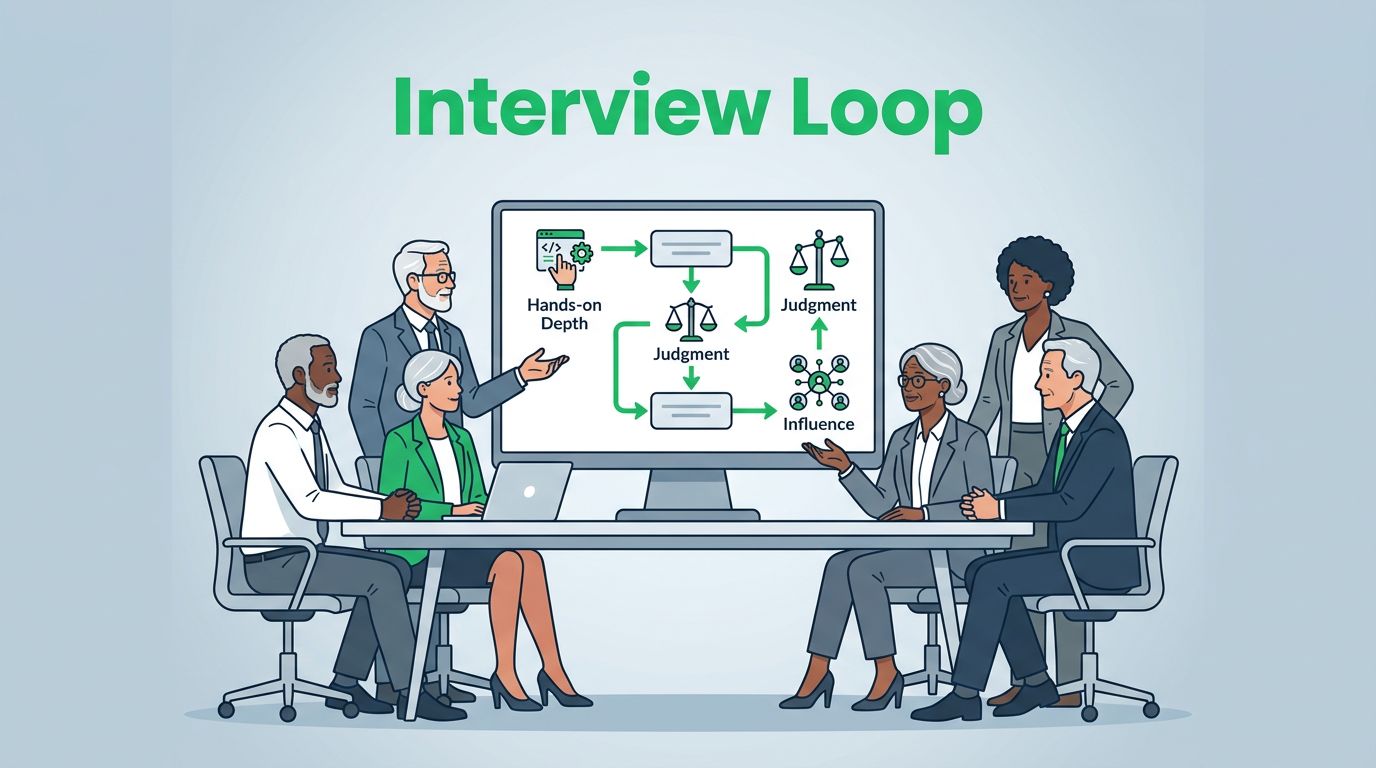
A solid security interview design gives you repeatable signal on hands-on depth, judgment, and influence. Senior people should show how they think under pressure, how they weigh risk, and how they work across teams. The next step is to define each stage before anyone starts asking questions.
Start with the role, not a generic template
A senior security engineer, a staff security engineer, and a security architect do not need the same loop. If you use one format for all three, you’ll overrate some skills and miss others.
For a useful frame on loop structure, designing interview loops is a practical reference. The main idea is simple, each round should test one clear signal.
| Role | What matters most | What strong evidence looks like |
|---|---|---|
| Senior Security Engineer | Hands-on depth | Finds control gaps, explains fixes, and works through trade-offs |
| Staff Security Engineer | Cross-team influence | Aligns teams, sets priorities, and pushes decisions forward |
| Security Architect | System-wide judgment | Draws boundaries, sets patterns, and handles exceptions well |
| Security Engineering Manager | Team execution | Coaches people, sets goals, and manages security work across a roadmap |
A loop for a staff engineer should not look like a pure coding test. A manager loop still needs enough technical depth to spot weak answers. The role definition comes first, because it shapes every interview after that.
Build a loop that produces different signals
A senior loop works best when each stage has a narrow job. Exponent’s security engineer interview prep guide gives a good view of common stages, and the pattern holds across many companies.
A strong version often looks like this:
| Stage | What it tests | Good signal |
|---|---|---|
| Hiring manager screen | Scope, motivation, and fit | Understands the role and asks smart questions |
| Technical deep dive | Hands-on security depth | Traces an attack path or defends a control choice |
| System design | Architecture and trade-offs | Names trust boundaries, failure modes, and assumptions |
| Leadership round | Prioritization and influence | Explains how they moved work across teams |
| Panel or peer review | Consistency and calibration | Gives evidence that matches the scorecard |
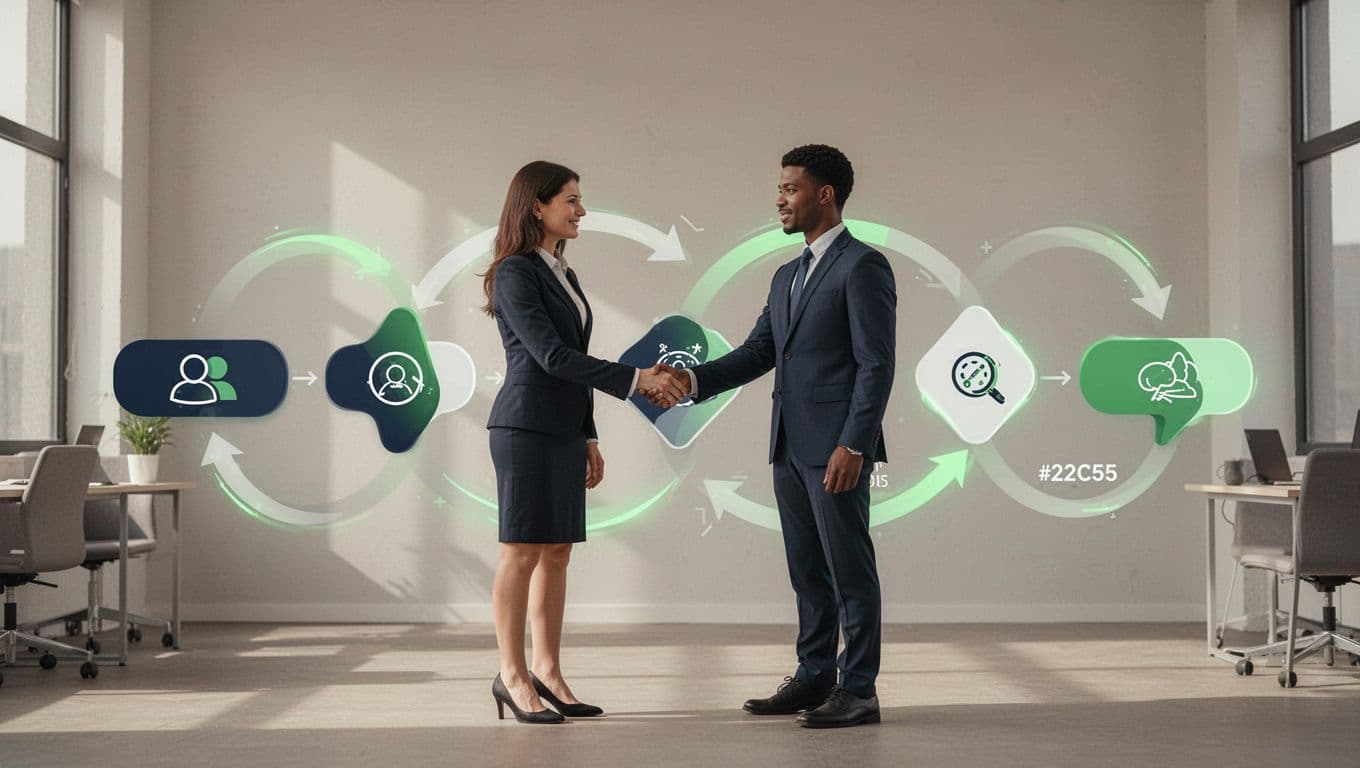
You do not need five separate rounds if your team is small. You do need distinct signal. If two rounds ask the same question, one of them is wasted.
If a stage cannot name its signal, it probably belongs somewhere else.
For senior security roles, use scenarios that mirror real work. For example, a cloud security candidate might explain an IAM break-glass design. A product security candidate might review an API abuse path. A detection engineer might tune an alert that fires too often.
Use scorecards that separate depth from influence
Scorecards keep the team honest. They stop the loop from becoming a pile of opinions. They also help interviewers write down evidence instead of vague impressions.
The best scorecards use a few shared competencies, then define what good looks like. Security system design is a helpful reference for the kind of thinking you want in architecture-heavy rounds.
| Competency | Strong signal | Weak signal |
|---|---|---|
| Technical depth | Explains how an attack works and how to stop it | Lists tools without real reasoning |
| Strategic judgment | Balances risk, cost, and urgency | Tries to solve every problem at once |
| Communication | Adjusts detail for the audience | Hides behind jargon |
| Execution | Names next steps and owners | Stays abstract |
| Collaboration | Shows how they influenced others | Blames other teams |
Use a 1 to 5 scale, but define each number. A “3” should mean something concrete. Also, ask interviewers to write one or two evidence notes per competency. That keeps debriefs grounded.
A senior candidate can sound polished and still miss on depth. A scorecard makes that visible. It also helps hiring teams compare candidates on the same scale.
Tune the loop by security specialty
Senior security work is broad, so the loop should reflect the specialty. A cloud security architect and an incident response lead solve different problems. Their interviews should look different too.
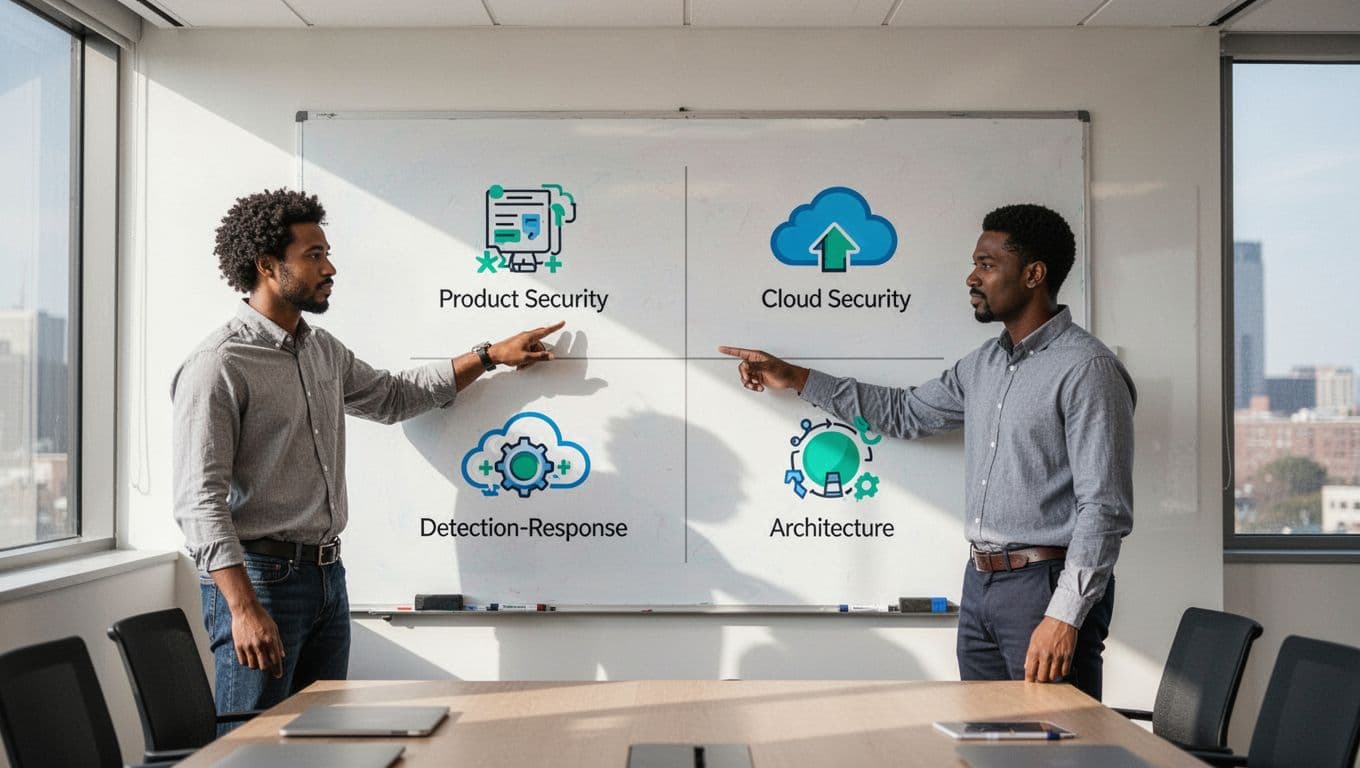
Product security
Focus on secure design, threat modeling, code review, and developer influence. Ask for examples of how they changed a product team’s habits, not just the controls they added.
Cloud security
Test IAM, network boundaries, policy-as-code, and detection around misconfigurations. Strong candidates can explain guardrails without slowing delivery to a crawl.
Detection and response
Look for alert quality, triage habits, containment decisions, and post-incident learning. Great answers connect telemetry to action, then to measurable improvement.
Security architecture
Probe reference patterns, exception handling, and long-term trade-offs. Senior architects should explain why a design scales, where it bends, and what they would revisit later.
The Staff-plus interview process guide is also useful here, because senior security roles often blend technical work with broad influence. That mix deserves its own questions.
Keep the process fair, legal, and useful
Senior interviews should feel demanding, but never sloppy. Avoid gotcha questions, trivia, and puzzle-style traps. Those usually test memory, not job skill.
Use the same core questions for every candidate in the same loop. Keep the timing close. Score against a written rubric. During debriefs, focus on evidence, not charisma.
Be careful with personal topics too. Don’t ask about family plans, health, age, immigration status, or anything else outside the job. Give candidates enough context to show their best work, and don’t hide the real problem behind vague prompts.
If your team needs help shaping a senior hiring process that fits the role, Book a Discovery Call with Bud Consulting.
The best loops do one thing well, they separate skill, judgment, and influence. When each stage has a job, the process gets fairer and the hiring decision gets stronger.
A good security interview design doesn’t ask candidates to perform. It gives them room to show how they actually secure hard systems.