table of contents
Security interviews move fast, but security interview notes need to slow things down. If the notes are vague, the debrief turns into memory wars and guesswork.
Strong notes give hiring teams a clear record of what a candidate said, how they handled pressure, and how that maps to the role. That matters even more for cybersecurity roles, where small details can affect access, risk, and trust.
Start with the job, not the feeling
Trustworthy notes begin before the interview. The panel should know the skills, behaviors, and risks that matter for the role.
A skills-based rubric, like NIST’s guide to writing a hiring rubric, helps you anchor each note to job criteria. Without that shared frame, one interviewer may praise confidence while another records caution as a weakness.
Good notes answer three simple things. What was asked? What was said? What evidence supports the rating?
If a sentence can’t answer those questions, it needs a rewrite. “Seemed strong” does not help a later reviewer. “Explained how to scope IAM permissions for a new cloud app” does.
What strong notes look like in security interviews
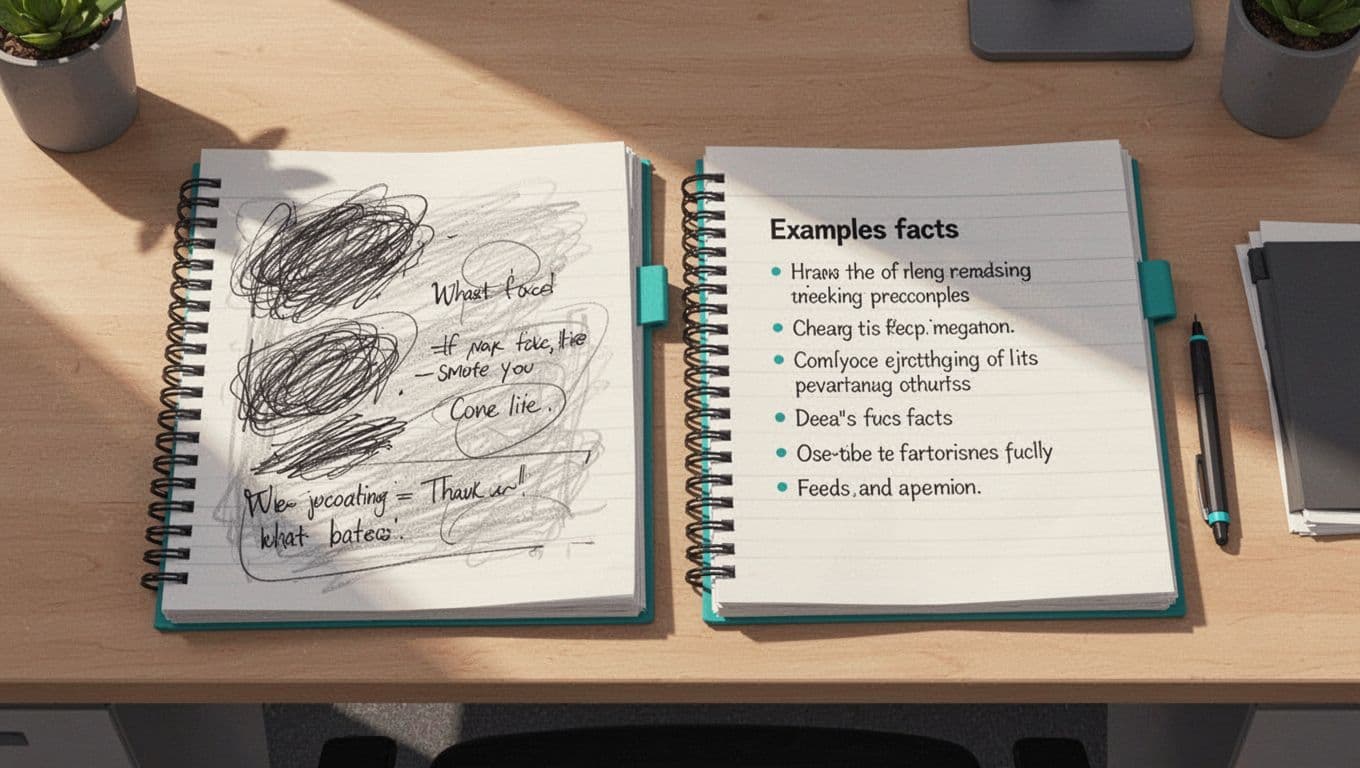
This side-by-side view shows the gap between noise and evidence.
| Weak note | Trusted note |
|---|---|
| Knows cloud security well. | Explained shared responsibility in AWS and described how to use SCPs, logging, and guardrails. |
| Good communicator. | Answered the incident follow-up in order, admitted a missed alert, and described the fix. |
| Seems careful. | Flagged vendor access as a risk and suggested least-privilege review plus access logs. |
The strong notes read like evidence, not praise. They let another interviewer understand the candidate without hearing the full conversation.
A useful check comes from conducting and documenting interviews, where the focus stays on factual, job-related records. That same standard works well in security hiring.
Use one simple template for every panelist
Consistency matters more than style. If every panelist writes notes in a different format, your debrief slows down and bias gets more room.
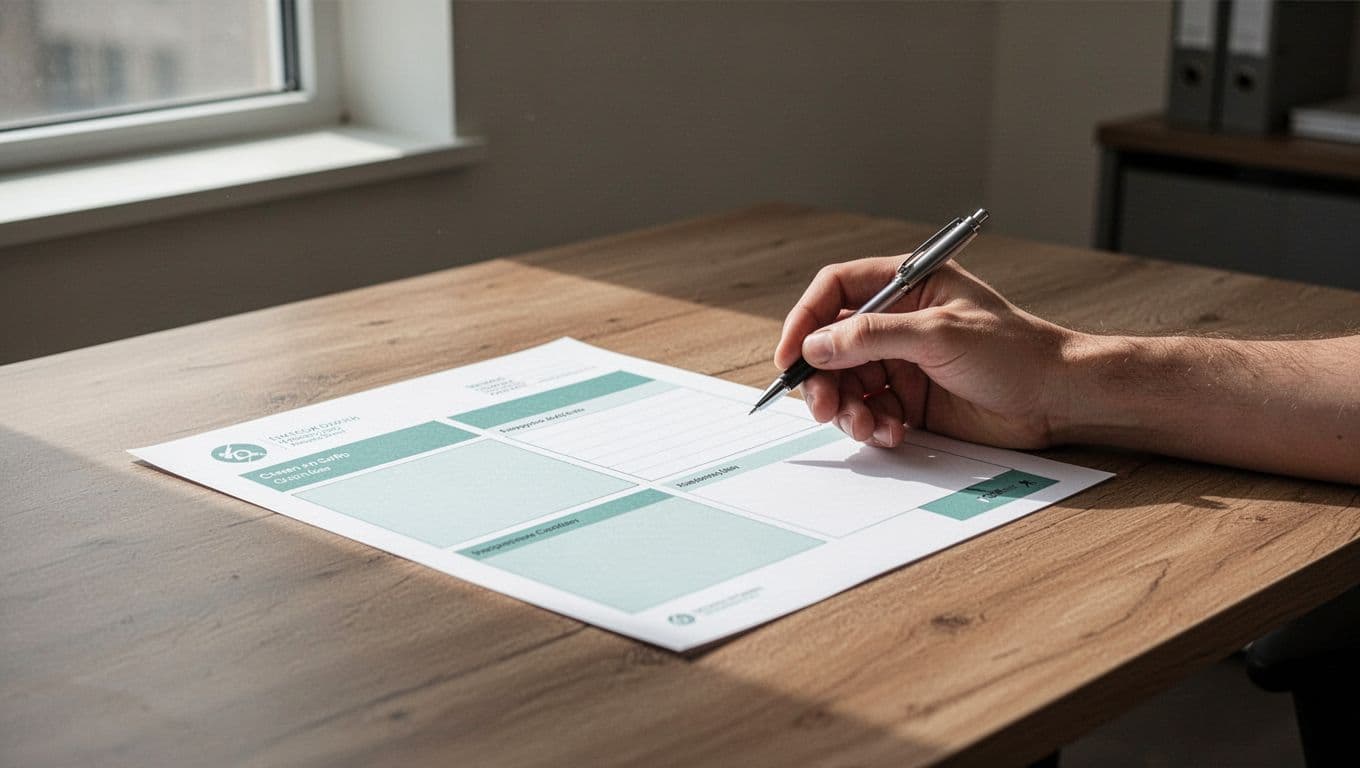
Use the same checklist for every interview:
- Candidate and role, so the note stays tied to the opening.
- Question asked, so later readers know the context.
- Answer summary, written in plain words.
- Evidence, tied to the rubric or scorecard.
- Follow-up or concern, if the answer left a gap.
This format keeps the note short and usable. It also helps interviewers avoid long story-like summaries that blur the facts.
If a field sounds personal, rewrite it. If it sounds like a judgment, add the evidence behind it.
Document technical, behavioral, and risk signals separately
A security role needs more than one lens. Technical skill, behavior, and risk judgment each reveal something different.
Technical interviews
Record the tools, methods, and trade-offs the candidate described. For a cloud security architect, that might include IAM design, logging, segmentation, or incident response steps. For an appsec leader, it might include threat modeling, SDLC controls, and how they handled developer pushback.
Behavioral interviews
Write down how the candidate worked with others. Did they explain a complex issue clearly? Did they own a mistake? Did they ask for help at the right time?
These notes should describe actions, not personality. “Stayed calm during a hard scenario” is useful. “Seems like a leader” is too vague.
Risk-focused interviews
Security teams need people who can spot weak points early. Capture how the candidate thinks about vendor risk, privileged access, data handling, or compliance pressure.
This is where notes about judgment matter most. A candidate might know the right policy, but their answer may show weak escalation habits. Record that difference. It gives the panel a real reason for the score.
Keep notes compliant and bias-aware
Security hiring notes can create legal and trust problems when they drift away from the job. Keep them free of age, family status, accent, health, or other protected traits. Also avoid labels like “abrasive,” “not a culture fit,” or “too senior” unless you explain the job-related reason.
If a note would sound weak out loud, it will look weak in a hiring review.
Use the same standard for every candidate. That keeps the record fair and easier to defend later. It also helps when teams review notes months after the interview, especially for regulated roles or sensitive access positions.
For bias reduction, post-interview notes and unconscious bias is a useful reminder that specific evidence beats memory every time. Write the note soon after the interview, before other conversations blur what happened.
If your team wants help building a more consistent hiring process for hard-to-fill security roles, Book a Discovery Call with Bud Consulting.
Make every note easy to defend
Trust in hiring comes from records that another person can read and understand. That means your notes should show what the candidate said, how it matched the rubric, and where the gaps were.
When security interview notes stay factual, short, and tied to the role, they help the whole panel make better decisions. They also make your hiring process cleaner, fairer, and easier to explain later.