table of contents
Hiring for cybersecurity roles gets tricky when vendor management skills matter. You need candidates who handle third-party risks without stalling business deals. Poor vendor oversight leads to breaches that cost millions.
These security interview questions target that sweet spot. They reveal how well someone manages vendors, reviews contracts, and balances security with speed. Use them to find pros who protect your org while keeping partnerships smooth.
Start with questions on third-party risk basics. They show if the candidate thinks proactively.
Questions on Third-Party Risk Management
Ask candidates to walk through their vendor risk process. A strong answer covers mapping vendors by data access and criticality.
Tell me about a time you built or ran a third-party risk program. What steps did you take?
Listen for a structured approach: inventory vendors, score risks with frameworks like NIST or BitSight’s TPRM model, then monitor continuously. They should mention tools for automation and offboarding checks. For juniors, expect basics like questionnaires. Seniors detail integrations with tools like Venminder for ongoing assessments.
Warning signs: Vague talk of “checklists” without metrics, or skipping fourth-party risks. One candidate said, “We just trust them,” a huge red flag.

Follow up: How do you handle high-risk vendors? Good responses include quarterly audits, right-to-audit clauses, and insurance proof. Poor ones blame sales teams or ignore remediation timelines.
This tests if they align security with business ops.
Assessing Contract Review Experience
Contracts set security boundaries. Probe how candidates spot gaps.
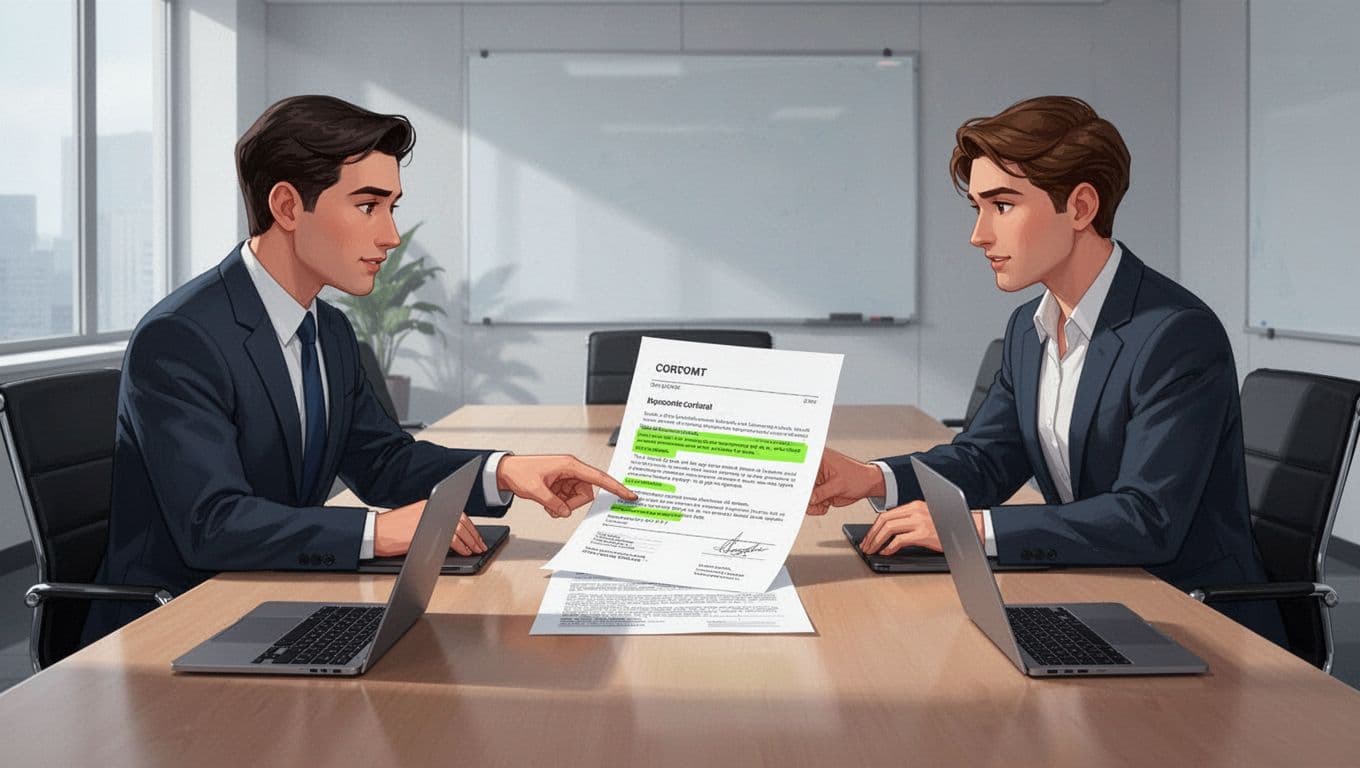
Walk me through reviewing a vendor contract for security risks. What do you prioritize?
Top answers highlight SLAs for uptime, data encryption (e.g., AES-256), breach notification (24-48 hours), and exit provisions for data return. They flag unlimited liability waivers. Check this guide on vendor contracts for benchmarks.
Juniors focus on basics like SOC 2. Leaders negotiate custom clauses, like SBOM sharing.
Red flags: “Legal handles it” or missing indemnity. A mid-level said they skipped audits; pass.
Give an example of pushing back on a vendor’s terms. Listen for wins like adding penetration test rights. Weak replies lack specifics or show compromise without rationale.
These reveal practical negotiation chops.
Gauging Stakeholder Communication Skills
Security pros must sell risks to non-tech folks. Test influence.
How do you explain vendor risks to business leaders who want to move fast?
Strong candidates use simple analogies, like “It’s like lending your house keys; check locks first.” They tailor messages: dashboards for execs, details for teams. They cite past wins, such as delaying a deal to fix gaps.
For all levels, expect collaboration stories. Warning: Jargon dumps or defensiveness signal poor fits.
Describe aligning IT, legal, and procurement on vendor security. Good signs include regular cadences and shared scorecards. Poor: “I just say no.” One applicant admitted silos; they frustrated teams.
Clear comms prevent breaches and builds allies.
Handling Risk Prioritization and Escalation
Not all risks equal. See how they triage.
How do you prioritize vendor risks when dozens need review?
Look for methods like CVSS scoring or business impact analysis. They weigh data sensitivity, vendor stability, and exploitability. Frameworks from InterviewGemini on vendor questions help here.
Juniors list factors; seniors automate with tools.

Tell me about escalating a vendor issue. Pros document evidence, loop execs with options, and track outcomes. Red flags: Acting alone or endless delays. A VP recounted killing a deal post-breach simulation; that’s gold.
This shows decision-making under pressure.
Balancing Business Needs with Security
Security can’t block growth. Probe trade-offs.
Describe approving a vendor despite risks. How did you mitigate?
Answers should cover compensated controls, like MFA or segmentation, with acceptance sign-off. They quantify: “Risk dropped 40% via insurance.” Balance shows maturity.
How do you say no without killing deals? Listen for alternatives, like pilots. Weak: Blanket rejections.
Seniors coach juniors on this; juniors learn fast.
These questions separate talkers from doers.
Master these security interview questions to hire vendor-savvy talent. They spot skills in risk handling, contracts, and teamwork. Your team stays secure as business scales.
Strong hires cut third-party exposures. Book a Discovery Call with Bud Consulting if you need vetted candidates now.