table of contents
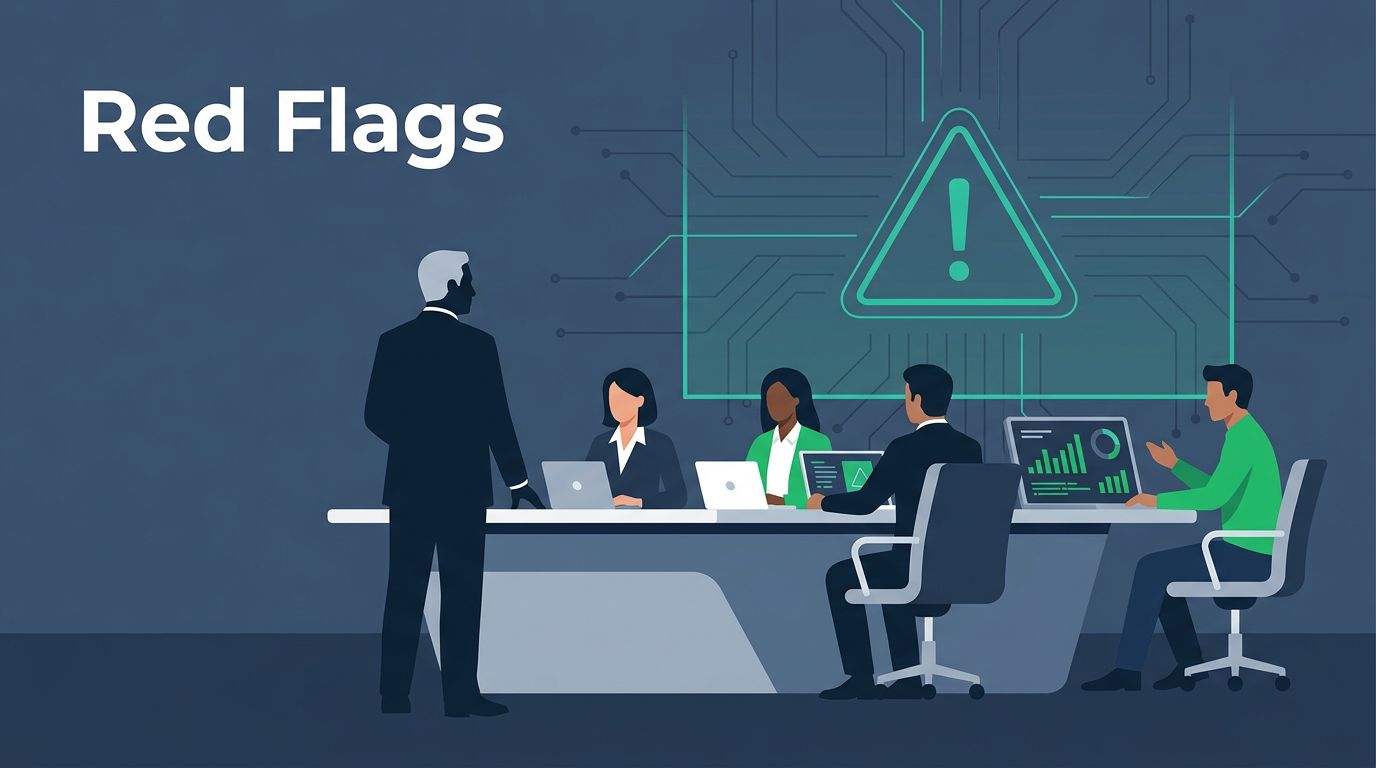
Some security interview red flags are easy to miss because senior candidates know how to sound polished. The real warning signs usually show up in small cracks, a vague answer, a shaky story, or a habit of blaming everyone else.
That matters because senior security hires shape architecture, response, and judgment. If the person in the chair cannot explain decisions clearly, own mistakes, or weigh risk against business needs, the problems show up later in production.
A useful starting point is to watch for patterns, not one awkward answer. General screening advice like 11 signs you’re interviewing a red flag candidate can help, but senior security roles need a tighter lens.
Look for patterns, not a single bad moment
A nervous candidate may stumble once. A weak senior candidate keeps stumbling in the same place.
That difference matters. At this level, you are not hiring for raw memory. You are hiring for judgment, clarity, and the ability to explain tradeoffs under pressure. If a candidate gives three confident answers that don’t line up, pay attention. If they speak in broad labels but never reach the details, pay more attention.
A red flag at senior level is usually a pattern, not a slip.
One bad answer can come from stress. Repeated evasiveness usually means the person lacks depth, context, or both. That is why Iceberg’s overview of common red flags in cybersecurity hiring interviews is useful as a baseline, but it should not be your only filter.
Vague answers on core concepts are a warning sign
Senior candidates do not need to know every tool. They do need to explain how they think.
A cloud security architect should be able to walk through identity, logging, segmentation, and exception handling. A detection and response lead should be able to explain signal quality, triage steps, and escalation paths. A security engineer should be able to defend design choices without hiding behind jargon.
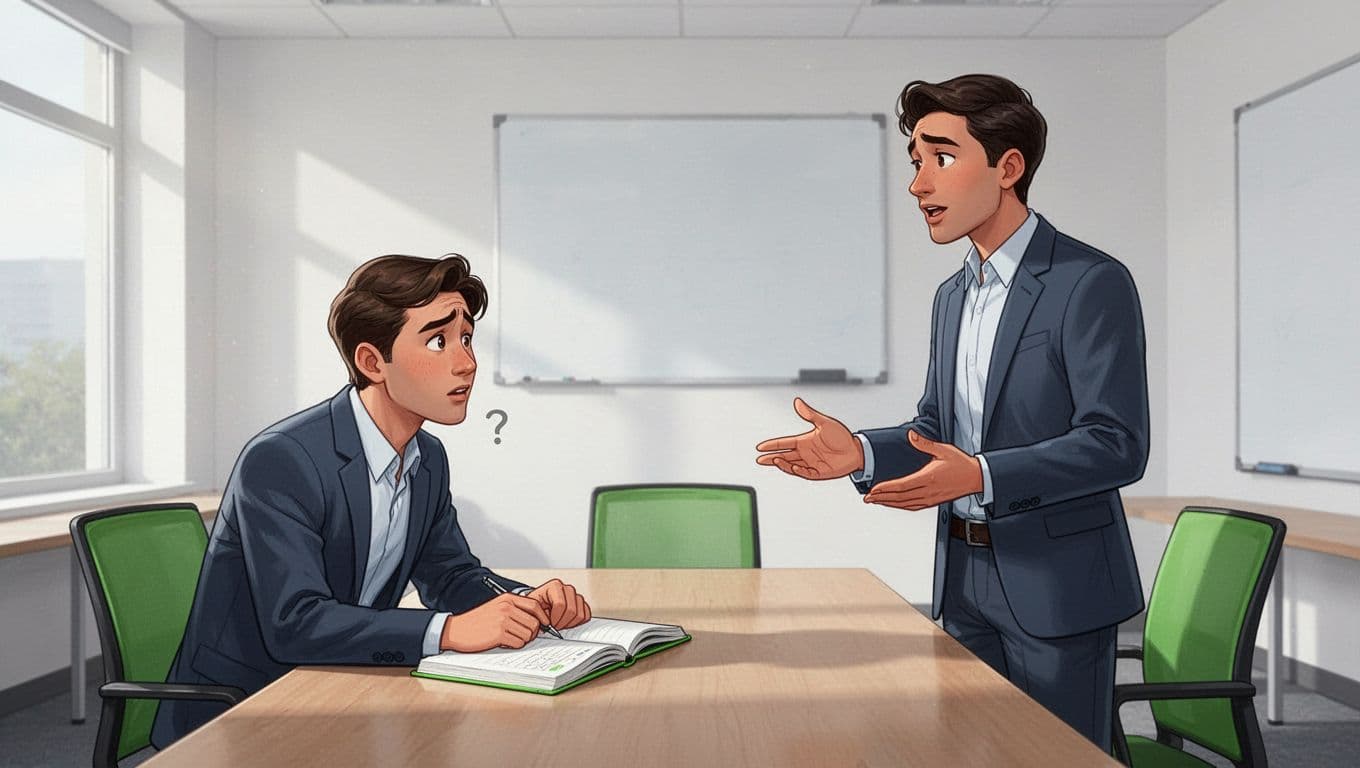
Red flags include answers like these:
| Signal | Why it matters | Better follow-up |
|---|---|---|
| “It depends” with no detail | Senior people should explain what it depends on | “What inputs change your decision?” |
| Broad tool names with no use case | Surface knowledge can hide weak experience | “What did the tool change in practice?” |
| Story drift across questions | Inconsistent ownership hurts trust | “Walk me through the project timeline.” |
The point is not to trap anyone. The point is to see whether their experience is real and usable.
Behavioral clues tell you how they will lead
Technical skill matters, but senior security roles also affect teams. A candidate who talks well about architecture but behaves poorly in the room can create friction fast.
Watch for these signs:
- Blaming old teams: If every failure came from “bad DevOps” or “lazy leadership,” that person may repeat the pattern elsewhere.
- Taking all the credit: Senior work is almost always cross-functional. If they describe every win as solo heroics, ask who reviewed, approved, or operated the system.
- Dodging mistakes: Strong leaders can name a bad call and explain what changed afterward.
- Talking down to others: A dismissive tone in an interview often becomes a hard-to-work-with style on the job.
A candidate does not need to be cheerful or polished. They do need to show respect, self-awareness, and calm under challenge. That is especially important in leadership-track roles, where tone affects culture.
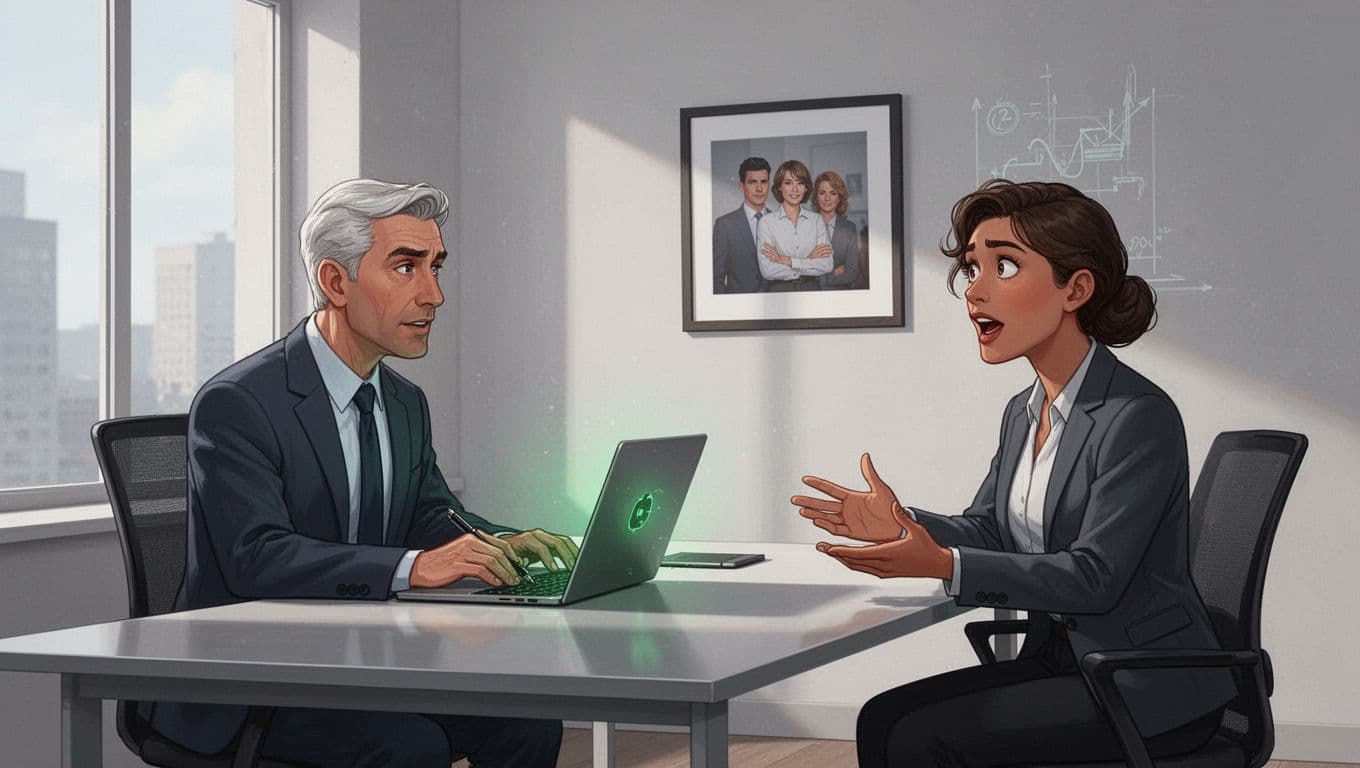
Tradeoff blindness is a real senior-level problem
Strong security people know that every control has a cost. Time, money, complexity, and user friction all matter.
If a candidate only offers perfect-world answers, that is a problem. Real security programs need choices. A control that works beautifully on paper can fail in operations. A policy that looks strong can collapse when the business needs speed. Senior candidates should be able to say why they picked one path over another.
This is where role fit matters. A cloud security architect should talk about cloud-native guardrails, IAM boundaries, and exception handling. A detection engineer should focus more on coverage, tuning, and response time. A CISO-track candidate should also connect technical choices to business risk.
For cloud-focused interviews, a guide like cloud security architect interview questions can help you test depth without drifting into trivia.
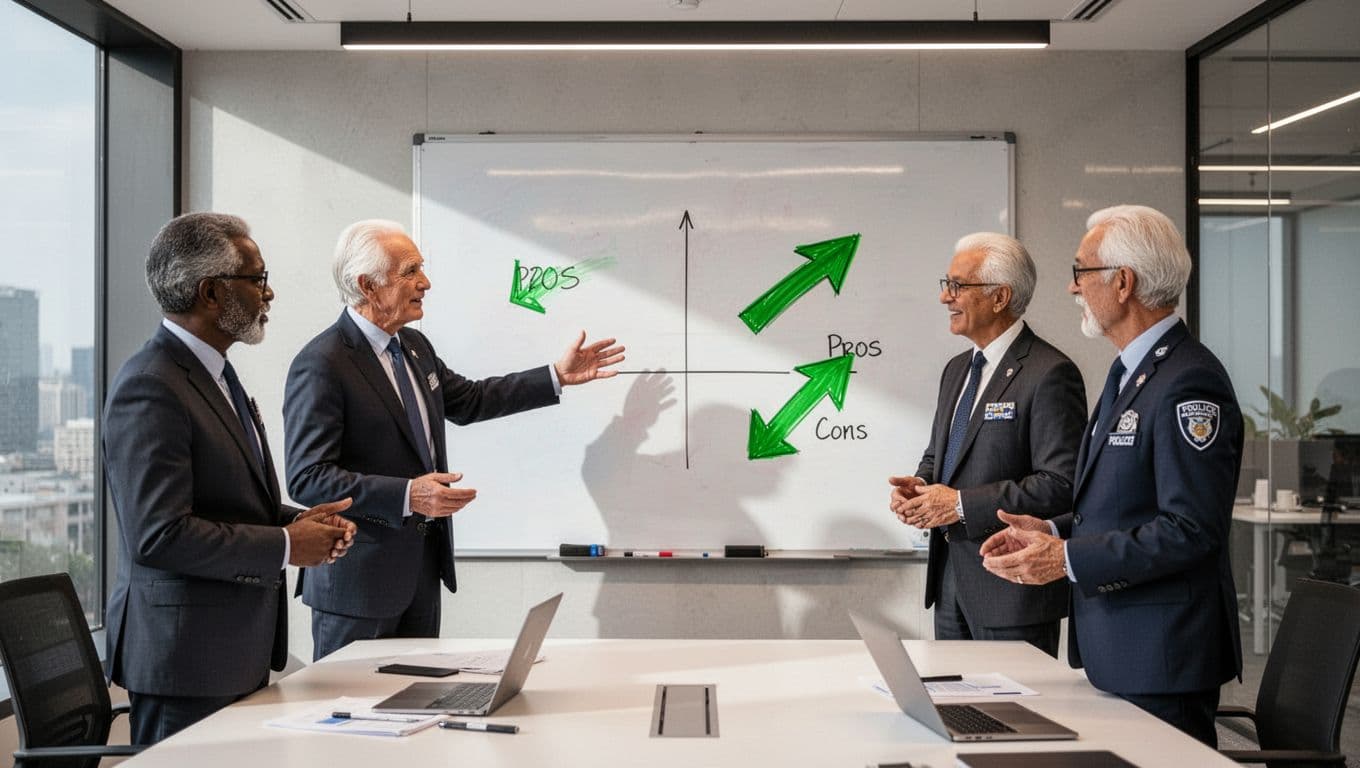
Follow-ups that surface real depth
A good follow-up question does more than ask for more detail. It changes the shape of the answer.
Try prompts like these:
- “What failed, and what did you change afterward?”
- “What was the risk tradeoff in that choice?”
- “What would you do differently with a smaller budget?”
- “Who pushed back, and how did you handle it?”
These questions work because they force context. They also expose whether the candidate can reason across teams. If the role is highly specialized, match the follow-up to the job. A detection and response candidate should discuss triage and escalation. A cloud security candidate should discuss policy, identity, and guardrails.
If you need help sharpening interviews for senior security engineering, cloud security, or leadership-track roles, Book a Discovery Call with Bud Consulting.
Keep the bar high, but keep it fair
The best senior security interviews do not hunt for perfect answers. They test whether the candidate can think clearly, own decisions, and work with other teams.
That is the heart of spotting security interview red flags. Look for patterns, verify claims with follow-ups, and judge each candidate against the real needs of the role. A strong hire should leave you with more confidence, not more questions.