table of contents
A security interview can turn messy fast when each interviewer grades by instinct. One person rewards speed, another rewards depth, and the candidate walks away with mixed signals.
Security interview rubrics fix that problem. They make hands-on exercises fairer, easier to compare, and easier to defend when hiring decisions get challenged later. They also help teams keep a high signal-to-noise ratio, which matters when every interview hour is expensive.
Why a rubric matters more than a strong hunch
A good exercise is only useful if the scoring is steady. Without a rubric, interviewers drift toward gut feel, and gut feel often favors the loudest speaker or the fastest guesser.
The best rubrics tie scores to job work. That means the same exercise can test a security engineer, detection engineer, appsec engineer, cloud security engineer, or incident responder without becoming a trivia game. For a practical base, the NIST hiring rubric guide offers a useful structure for score bands and job alignment. For role-based exercise ideas, practical work sample exercises for cybersecurity analysts is a helpful reference too.
A rubric also protects fairness. If two candidates solve the same problem in different ways, the rubric can still compare them on the same terms. That matters for legal and ethical hiring, because the process should test the role, not personal style, accent, or confidence level.
Build scores around the work, not the vibe
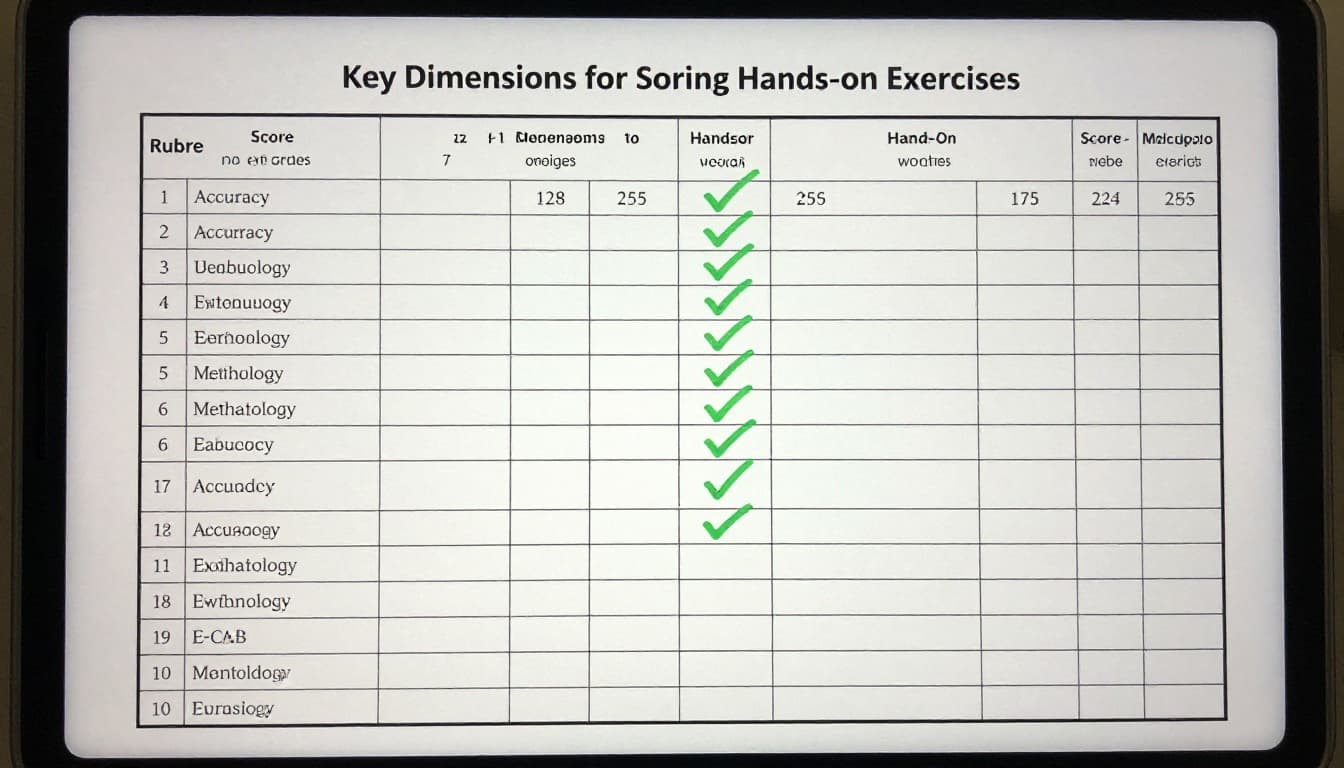
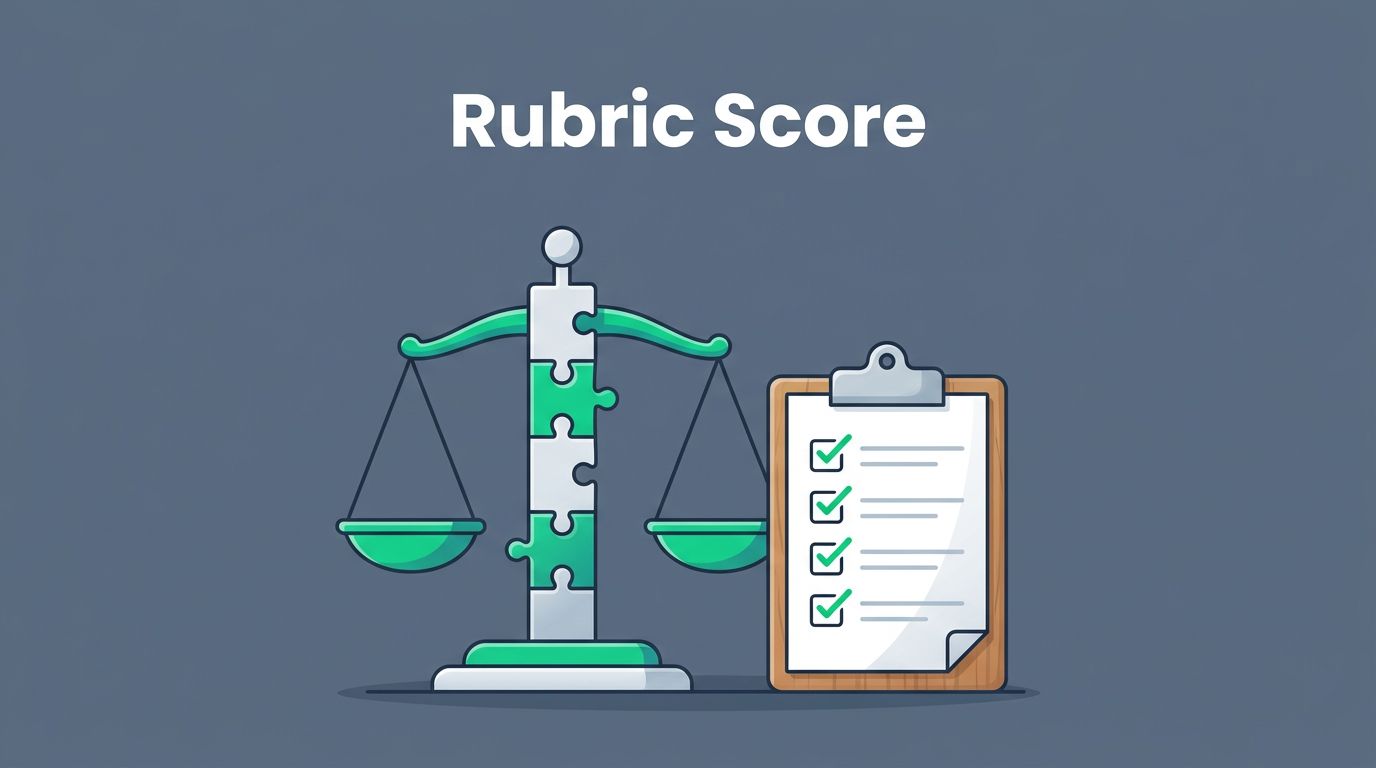
A 1 to 5 scale works well if each score has clear meaning. A “3” should not mean “fine if I liked the candidate.” It should mean something observable.
| Dimension | 5-point evidence | 1-point evidence | Suggested weight |
|---|---|---|---|
| Technical accuracy | Findings are correct, precise, and supported by evidence. | Misses core facts or makes unsupported claims. | 25% |
| Methodology | Uses a clear, logical process and explains the steps. | Jumps to conclusions or guesses without a path. | 20% |
| Prioritization | Focuses on the highest-risk items first. | Chases low-value details and misses the main issue. | 20% |
| Communication | Explains findings in plain language with the right level of detail. | Confusing, vague, or buried in jargon. | 15% |
| Assumptions and judgment | States assumptions and asks for missing context. | Treats missing data as if it does not matter. | 10% |
| Tooling use | Uses tools well and knows their limits. | Relies on tools blindly or misreads their output. | 10% |
That mix keeps the rubric from overvaluing raw recall. A candidate who gets to the right answer with weak reasoning should not outrank someone who shows strong judgment and only misses a minor detail.
Score the method first. The answer only matters after the method holds up.
Sample rubrics for common security exercises
For more role-specific ideas, compare essential work sample exercises for threat detection engineers with the broader cybersecurity analyst work sample examples. The same scoring logic works across most hands-on interviews.
- Log analysis: Score whether the candidate spots the pattern, explains why it matters, and separates signal from noise. A strong answer names the likely event type, the evidence path, and the next log source to check.
- Threat detection: Score the candidate on alert interpretation, false-positive thinking, and tuning ideas. Good candidates connect the alert to attacker behavior and explain what would improve precision.
- Secure code review: Score for accurate findings, risk ranking, and clarity. Strong candidates catch auth flaws, injection paths, secret handling issues, and risky error logic without padding the answer.
- Cloud misconfiguration review: Score how well the candidate sees exposure, blast radius, and control gaps. A good answer covers IAM scope, public access, logging, and encryption before drifting into minor settings.
- Incident triage: Score speed, sequence, and calm communication. The best responses stabilize first, preserve evidence, and state what they need next before they speculate.
- Adversary simulation: Keep this inside a lab and score the reasoning, chain of actions, and defensive lessons. The candidate should explain how they would document findings and what gaps the simulation exposed.
A strong rubric gives each exercise a different surface, but the same core questions still apply. Did the candidate identify the issue? Did they prioritize well? Did they explain their thinking clearly?
Keep the process fair, legal, and consistent

The best interviews use the same prompt, same time box, same data set, and same allowed tools for every candidate. If one person gets hints and another gets none, the rubric loses value.
Standardization also helps with legal and ethical risk. Keep exercises in a safe lab, avoid live systems, and strip out customer data. If you record sessions, follow policy and get the right consent. Do not ask candidates to perform actions outside the sandbox.
Fairness comes from consistency, not from making the exercise easier.
Calibration matters too. Before the loop starts, have interviewers score one sample answer together. That short discussion often exposes hidden bias and fixes score drift before it reaches candidates.
If your team wants help building a rubric that fits real hiring needs, Book a Discovery Call with Bud Consulting.
The rubric is the real interview tool
Hands-on security interviews work best when the scoring is plain, repeatable, and tied to the role. That is what turns a stressful exercise into useful hiring data.
When you score technical accuracy, method, prioritization, communication, assumptions, and tooling use, you get a fuller view of the candidate. You also get a process that more people can trust, which is half the battle in hiring.
Strong security interview rubrics do one simple thing well, they make good judgment visible.