table of contents
Hiring mid-level cybersecurity pros gets tricky. You need folks who handle real threats, not just recite certs. Security interview work samples fix that by showing skills in action.
These samples test threat detection or risk analysis without wasting candidate time. They cut through resumes and reveal who fits your team. Plus, they boost fairness if you score them right.
Let’s look at practical options that respect candidates and deliver clear results.
Why Security Interview Work Samples Matter Now
Mid-level hires often oversee SOC shifts or vulnerability scans. Traditional interviews miss this. Work samples bridge the gap.
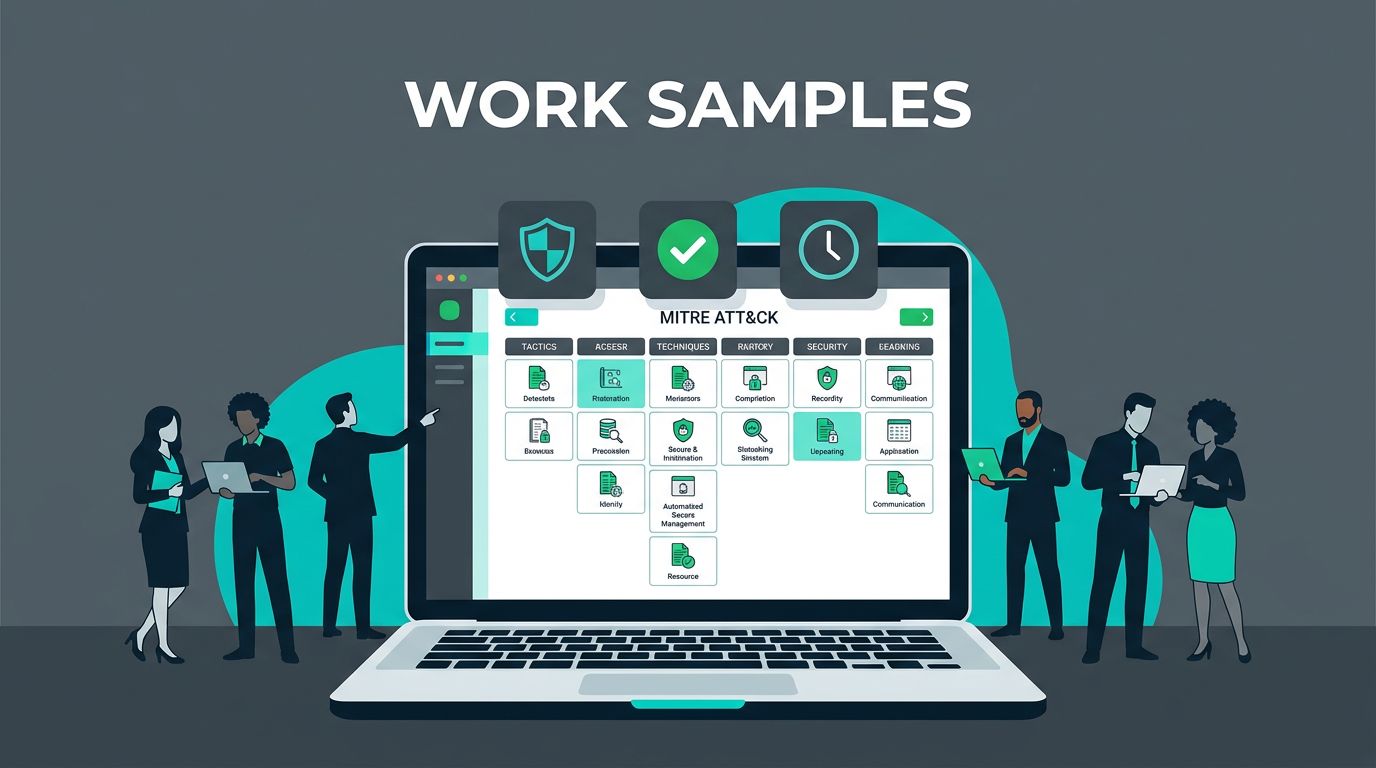
They predict on-the-job performance better than brainteasers. Candidates prove they map attacks to MITRE ATT&CK tactics. You spot gaps fast.
Fairness counts too. Set time limits like 2-4 hours max. This avoids unpaid labor. Share rubrics upfront for transparency. Diverse teams thrive when biases stay low.
In short, these samples speed hires while building trust.
Take-Home Exercises That Test Core Skills
Take-homes work well for mid-level roles. They let candidates shine solo. Keep them short to respect schedules.
Ask them to review a mock vulnerability scan report. Provide anonymized Nessus output with 10-15 findings. They prioritize risks using CVSS scores and suggest fixes tied to NIST controls.
Time limit: 3 hours. They submit a one-page summary plus remediation plan.
This evaluates analysis depth and communication. Strong responses link flaws to business impact.
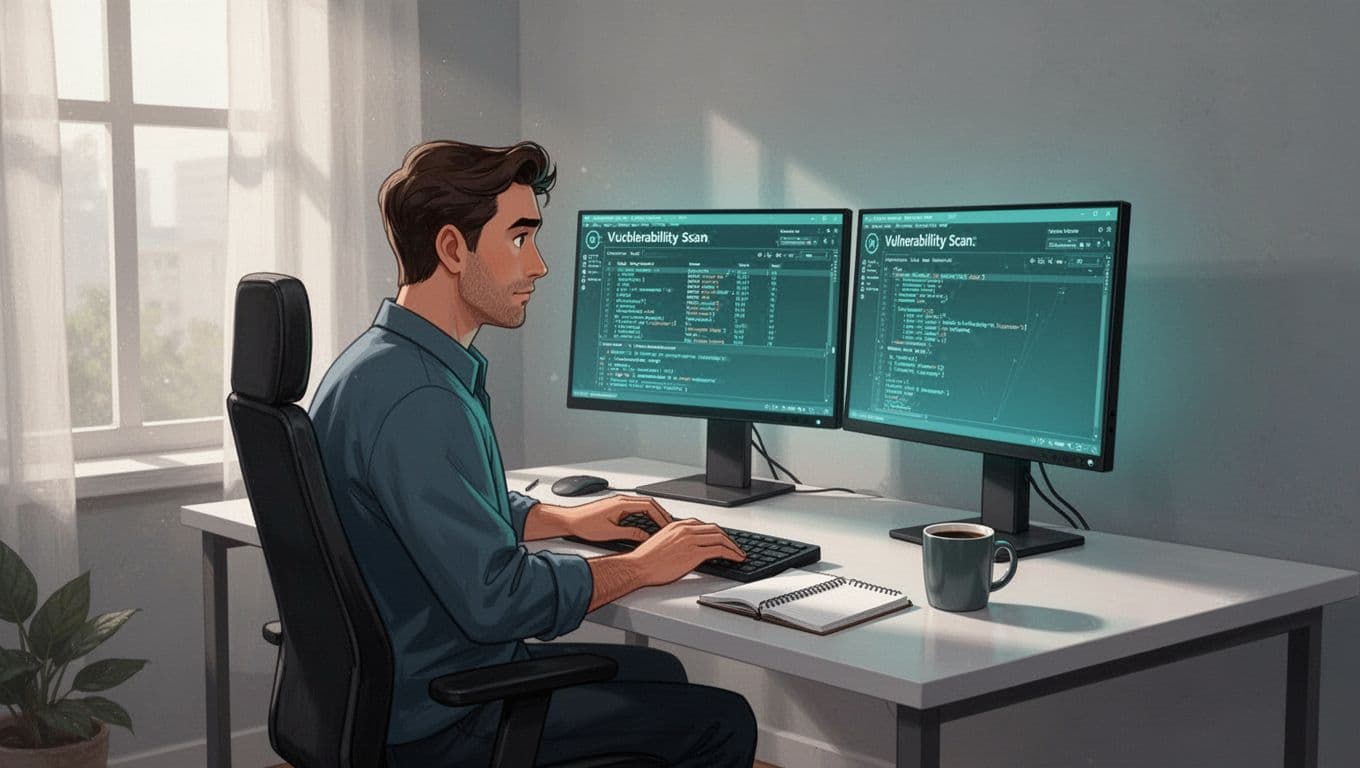
For app sec roles, share code snippets with OWASP Top 10 risks like injection flaws. They identify issues and rewrite safely. Limit to 200 lines of code.
Scoring rubric (simple 1-5 scale per category):
| Category | Strong (4-5) Example | Weak (1-2) Example |
|---|---|---|
| Accuracy | Spots all vulns, cites OWASP refs | Misses basics, wrong explanations |
| Prioritization | Ranks by exploitability and impact | Lists randomly |
| Fixes | Practical, low-effort code changes | Vague or overkill suggestions |
| Clarity | Concise report, visuals if needed | Walls of text, jargon overload |
Average scores above 4 signal a hire. This rubric reduces bias; multiple reviewers score blindly.
Candidates appreciate the real-world feel. It mirrors daily tasks without overtime.
Live Scenario Reviews for Team Fit
Live reviews shine in video calls. They mimic SOC handoffs or incident bridges. No prep needed beyond basics.
Present a redacted alert log from Splunk or ELK. Walk through an phishing campaign using ATT&CK techniques like T1566 phishing. Candidate triages in 45 minutes.
They explain steps: isolate endpoints, query IOCs, notify stakeholders. Probe with follow-ups like “What if it’s ransomware?”
This tests thinking under pressure. You see collaboration style too.

For cloud roles, share AWS logs with IAM misconfigs. They outline containment per NIST SP 800-61.
Quick rubric:
- Decision-making (40%): Logical steps, covers containment/recovery.
- Knowledge (30%): Names tools like EDR or SOAR playbooks.
- Communication (30%): Clear, avoids ums, adapts to questions.
Score live with a panel. Record for later review if needed. This keeps things accessible; no fancy sims required.
Results beat hypotheticals. Candidates engage, and you gauge culture add.
Portfolio-Based Alternatives to Custom Tasks
Portfolios suit experienced mid-levels. They showcase past wins without new work.
Request 2-3 redacted examples: a threat hunt report, pen test summary, or compliance audit. Look for metrics like “Cut MTTR by 40% via playbook.”
Verify via references later. This saves time for all.
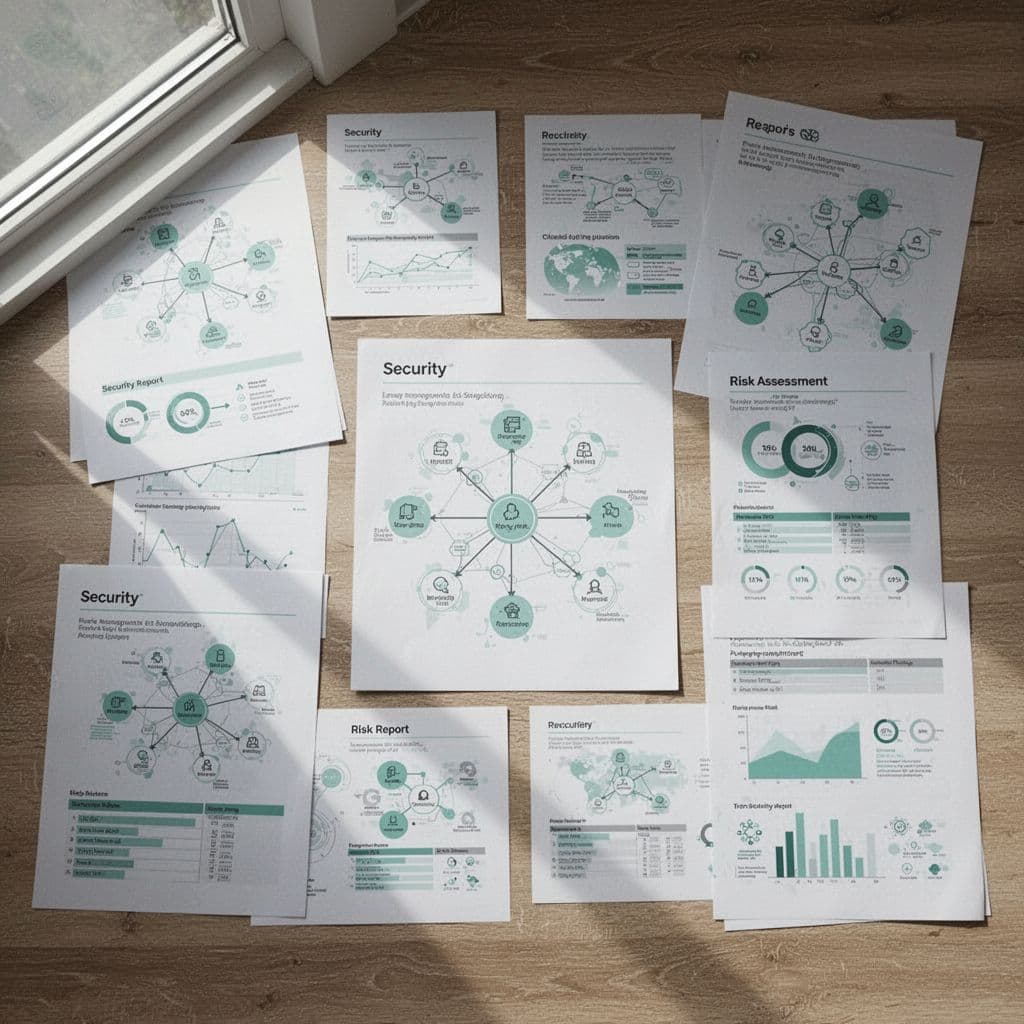
Compare against roles like cybersecurity analyst samples. Strong ones tie to frameworks.
Evaluation tips:
- Depth: Does it use ATT&CK mappings?
- Impact: Quantified outcomes?
- Variety: Covers multiple domains?
This method fights bias. Skills matter over pedigrees. Per Markle’s hiring toolkit, it widens talent pools.
Build Fair Scoring and Reduce Bias
Rubrics make or break samples. Standardize across candidates.
Train evaluators on unconscious bias. Use anonymized submissions. Rotate scorers.
For accessibility, offer formats like audio for neurodiverse folks. Time extensions if requested.
Track pass rates by demo groups. Adjust if imbalances show.