table of contents
You’ve felt it: that pager buzz at 2 a.m. pulls you from sleep, only for it to be a false alarm. Security teams live this cycle. It drains focus, spikes errors, and drives good engineers away.
A poor security on-call rotation hits hard. You lose response speed and morale. Teams burn out fast without fair shifts or clear rules. But you can fix it. Smart designs cut fatigue while keeping coverage tight.
This guide shows you how. Start with balanced schedules. Add backups and strict paging rules. Then layer in docs and recovery time. Your SOC stays sharp.
Design Fair Rotation Schedules
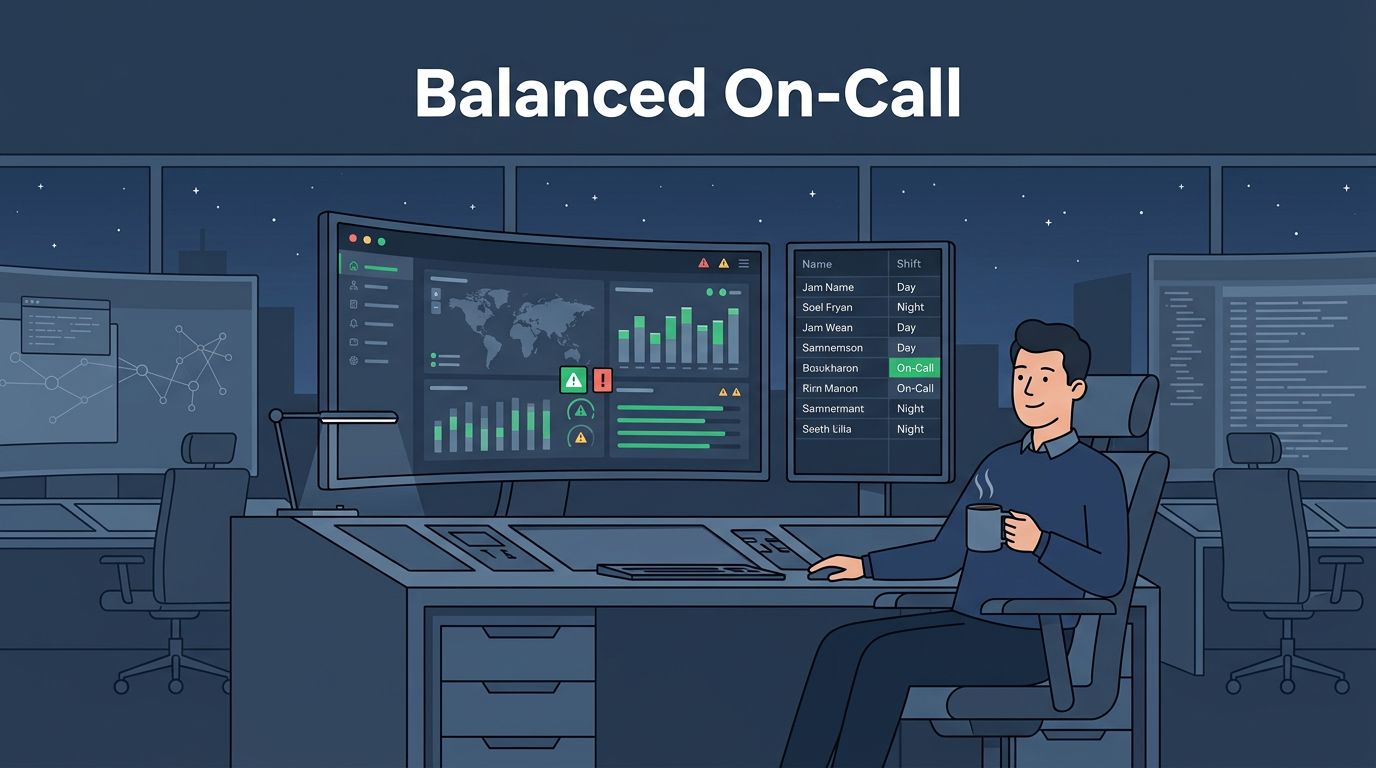
Team size sets the pace. Aim for 6 to 8 engineers per rotation. This keeps shifts weekly, so no one carries more than 25% load. Smaller teams? Stretch to bi-weekly but watch for gaps.
Pick a cadence that fits. Weekly works best for most SOCs. It spreads pain evenly. Use tools to automate. PagerDuty handles overrides for vacations without chaos. Check PagerDuty’s on-call rotation guide for setup tips.
Distribute across time zones if global. Follow-the-sun cuts nights. One team hands off at dawn. No single person eats overnights often.
Fairness builds trust. Track shifts monthly. Adjust if someone pulls extra. Here’s a simple checklist:
- Limit primary duty to one week per cycle.
- Cap total on-call at four weeks yearly.
- Auto-skip PTO in your tool.
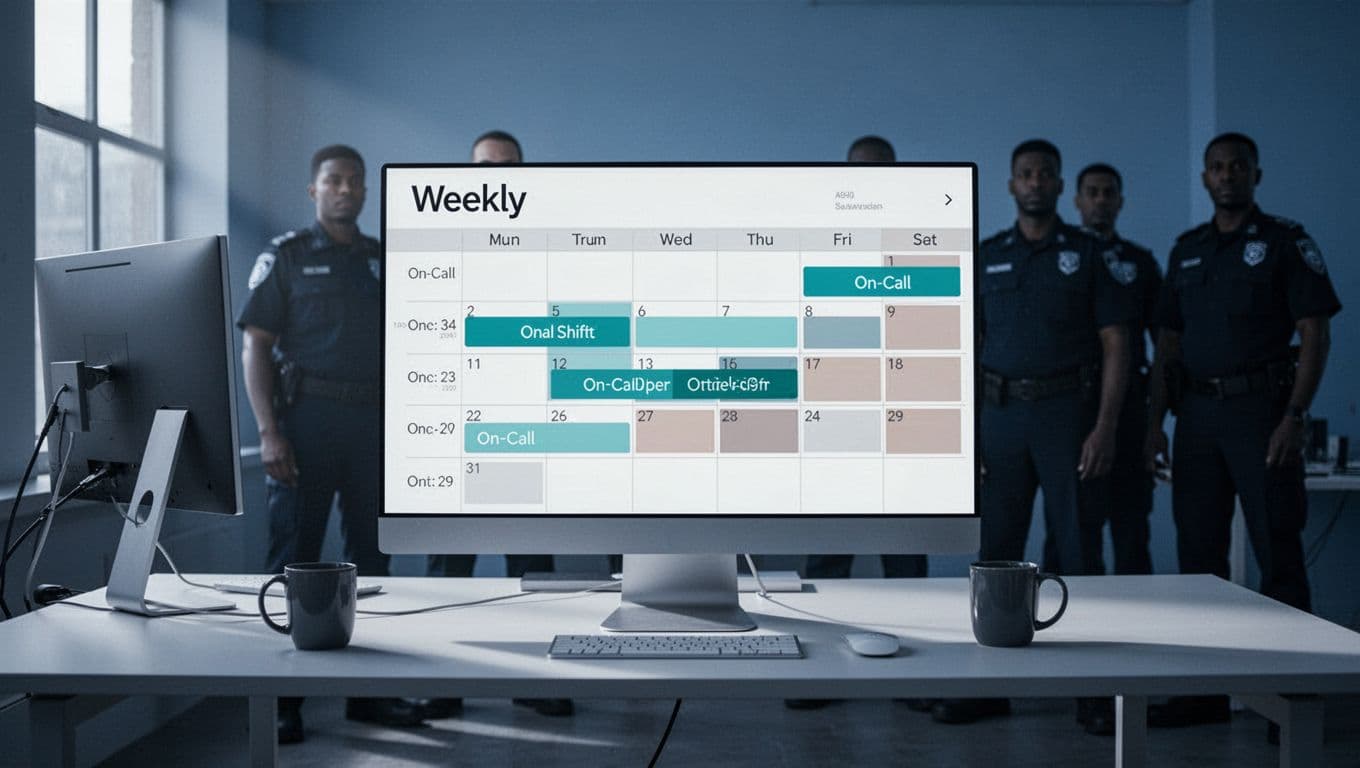
Visualize balance like this calendar. Green highlights active slots. Everyone sees their turn.
Result? Engineers plan life around work. Burnout drops because shifts predict burnout drops. Response stays quick.
Build in Backup Coverage
Primaries handle first alerts. But life happens. Add secondaries always. They step in if no ack in 10 minutes.
Define roles clear. Primary triages and acts. Secondary backs on complex cases. Rotate them too. No one plays backup forever.
Smooth handoffs matter. Set fixed times, like 9 a.m. local. Outgoing stays on hook till pass-off. Document it.
Test coverage quarterly. Simulate misses. Tools like PagerDuty notify backups auto.

This handoff scene shows relief. Tired engineer smiles as fresh one takes over.
Backups prevent solo overload. One person sleeps better knowing help waits. Teams respond faster too.
Define Paging Thresholds
Not every alert needs a page. Set severity tiers first. SEV-1: Customer impact, page now. SEV-2: Degraded service, page if after hours. SEV-3: All else, Slack channel only.
After-hours rule: Page only if revenue hits or data risks. Suppress noise 10 p.m. to 7 a.m. for low stuff.
Escalation paths save sleep. Primary gets 10 minutes. No ack? Secondary. Then manager at 20. Tailor by SEV.
| Severity | Paging Trigger | Escalation Time |
|---|---|---|
| SEV-1 | Active breach | 5 min to secondary |
| SEV-2 | Service down | 10 min to secondary |
| SEV-3 | Log anomaly | Slack, no page |
This table clarifies when to buzz. Review alerts quarterly. Kill noisy ones.

Flowcharts like this guide quick calls. Analyst points to paths.
Thresholds cut wakes by half. Teams focus on real threats.
Document Standards for Handoffs
Runbooks are your bible. Link every alert to one. Include steps: Assess impact. Check logs. Escalate if needed.
Standard format keeps it simple. Start with symptoms. List actions. End with post-mortems.
Store central. Use Notion or Confluence. Update after each big incident.
Handoff docs too. Note open tickets at shift end. Template: “Alert X active. Tried Y. Next: Z.”
See incident.io’s on-call best practices for runbook examples.
Good docs mean juniors ramp fast. Seniors hand off clean. No knowledge silos.
Prioritize Post-Incident Recovery
Incidents drain. Give recovery time. Full day off after overnight SEV-1. Half-day for others.
Run retros monthly. Ask: What fired? Tools miss? Blame systems, not people.
Compensate fair. Extra pay or flex hours. Recognize heroes public.
Track burnout signs. Slow acks? Cynicism? Adjust rotation then.
If staffing thins your rotation, Book a Discovery Call with Bud Consulting. They vet senior security talent fast.
Recovery keeps talent. Resilient teams spot threats better.
Key Takeaways
Fair security on-call rotations rest on balance, backups, and rules. Weekly shifts for 6-8 people work. Page only critical stuff. Document everything.
You cut burnout without weak coverage. Teams stay alert and stick around.
Build yours now. Start small: Audit alerts today. Your SOC thanks you.