table of contents
Security portfolios can tell you more than a resume ever will. They show how a candidate thinks, how they document decisions, and whether their work can survive real review.
That matters because not every polished repo or case study is job-ready. Some samples are shallow, some are borrowed, and some look strong until you ask one follow-up question.
For hiring managers and security teams, the goal is simple: separate presentation from proof. A clear rubric, a few verification steps, and the right role-based lens will save time and improve hiring quality.
Key Takeaways
- Strong security portfolios prove role-specific problem-solving, tradeoffs, and reproducible documentation, going beyond visuals to show real reasoning and impact.
- Build a consistent scoring rubric with criteria like problem framing, technical depth, documentation, impact, verification, and ethics to evaluate objectively.
- Match samples to the job—SIEM analysis for SOC roles, threat models for AppSec, IAM controls for access specialists—and apply extra scrutiny to offensive work.
- Spot red flags like flashy but shallow content, copied work, weak documentation, unverifiable ownership, or unsafe offensive samples before interviews.
- Integrate portfolio review into a repeatable hiring workflow using rubrics and verification to focus on evidence over opinions.
What a strong security portfolio should prove
Start with the job, not the sample. Building a personal portfolio tailored to the role demonstrates job-readiness; a cloud security architect needs different evidence than an offensive tester or IAM lead.
Still, the best security portfolios usually prove three things through hands-on projects and practical experience. The person can solve a real problem, explain the tradeoffs, and document the result so another team could repeat it.
Look for scope, constraints, and outcome in real-world projects. Did the candidate define the problem first? Did they show the method and connect it to risk reduction? A clean diagram helps, but it can’t replace reasoning.
For a useful benchmark, compare the structure with this cybersecurity portfolio evaluation guide. It shows how much substance matters when the audience is hiring, not scrolling.
A strong sample also holds up under a simple test. If the candidate removed the visuals, would the work still make sense?
For that kind of depth, this rigorous cybersecurity portfolio example is a useful reference point. It shows how technical detail and documentation can work together.

Build a scoring rubric before you review
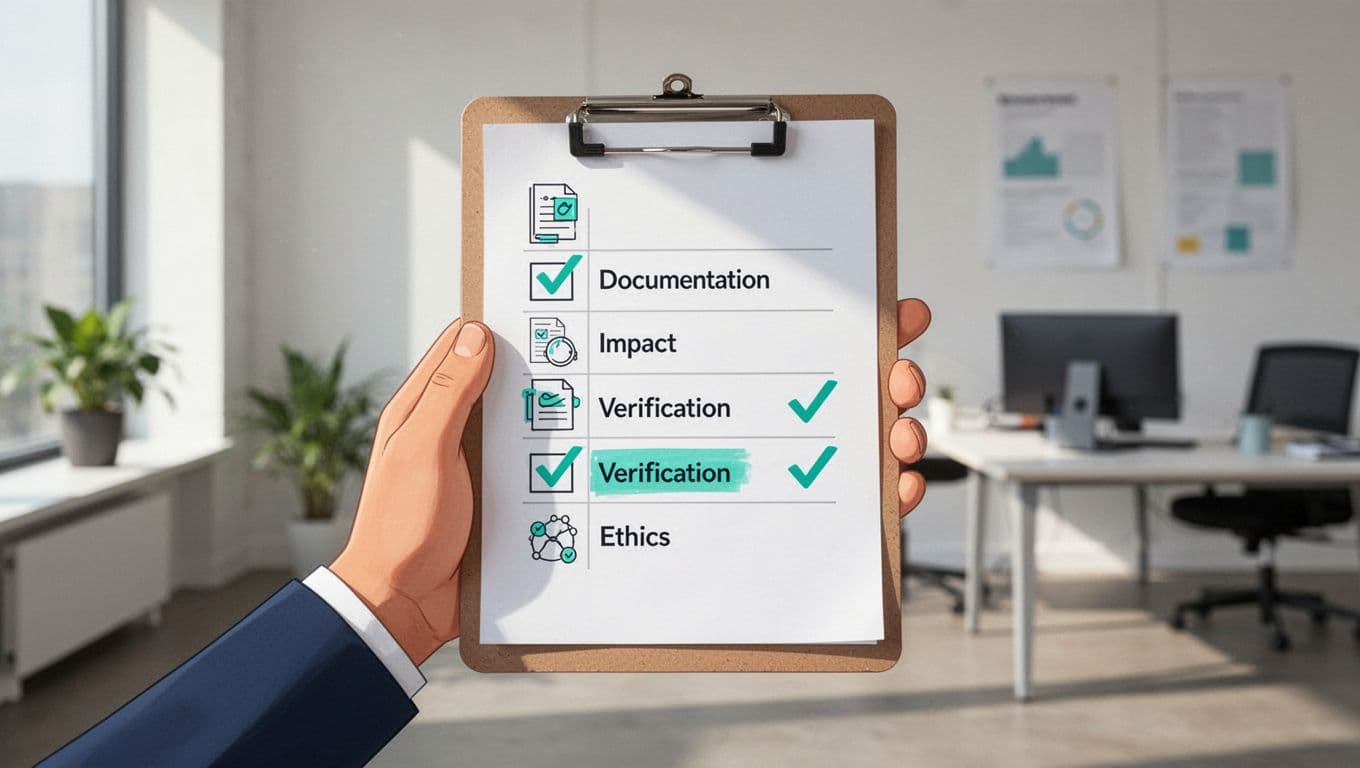
Rubrics beat memory. They also keep one flashy candidate from taking over the conversation. NIST’s guide to writing a hiring rubric provides standardized procedures and serves as a solid model for evaluating alignment with frameworks like NIST 800-53 and ISO 27001, and the skills-based cybersecurity hiring toolkit shows how structured hiring keeps teams aligned.
A polished portfolio can hide weak judgment. A plain portfolio can still show strong hands-on work.
Use the same scorecard for every candidate. It supports consistent risk assessment and risk management evaluations. Keep it short enough to use live, but detailed enough to defend your call. If two reviewers score the same portfolio very differently, the rubric needs sharper language.
The table below gives a simple starting point.
| Criterion | Strong evidence | Weak evidence |
|---|---|---|
| Problem framing | States the goal, scope, and constraints | Jumps straight into tools |
| Technical depth | Explains commands, configs, findings, or code | Dumps screenshots with little context |
| Documentation | Clear steps, assumptions, and caveats | Vague write-up, broken links, missing files |
| Impact | Connects work to business or security risk, GRC, and compliance regulations | No outcome, no lesson learned |
| Verification | Repo history, original drafts, reproducible steps | Hard to verify ownership or effort |
| Ethics | Sanitized data, authorization, responsible disclosure | Sensitive data, live targets, or unclear scope |
The pattern is easy to spot. Strong samples make the work simple to follow and trust. Weak samples force you to guess.
Match the sample to the role
Not every portfolio should look the same. A SOC analyst candidate should demonstrate SIEM analysis and incident response through real-world projects, such as alert triage notes, detection logic, and incident timelines. An AppSec lead should show code review findings, threat models, and remediation guidance.
Meanwhile, a cybersecurity analyst applying for entry-level roles might focus on network security and vulnerability scanning. An IAM or PAM specialist should prove they can think in terms of access paths, controls, and change management. For cloud roles, look for identity, logging, and segmentation. For DevSecOps, look for pipeline checks, detection engineering, and release impact. The right question is not, “Does this look impressive?” It is, “Does this sample match the work this role must do?”
If the answer is fuzzy, keep digging. Look for decisions, not decoration. Look for business context, not buzzwords. If the candidate says the sample was adapted from a job, ask what changed and why.
Offensive security samples need extra checks
Offensive work needs a stricter lens. You want to see responsible disclosure, sanitized data, and proof that the candidate had authorization. This contrasts with defensive incident response measures, which emphasize containment and recovery.
If a sample includes client names, live IPs, or unredacted screenshots, treat that as a problem. Good offensive portfolios explain scope, method, findings, and remediation without exposing damage.
You can ask for a short walkthrough too. Candidates who did the work can usually explain why they chose one path over another. Candidates who copied the artifact often can’t.
Spot the red flags before the interview
Some warning signs are easy to miss when a portfolio looks polished. These red flags often indicate a lack of technical skills or professional experience, as style can hide gaps in skill or ownership.
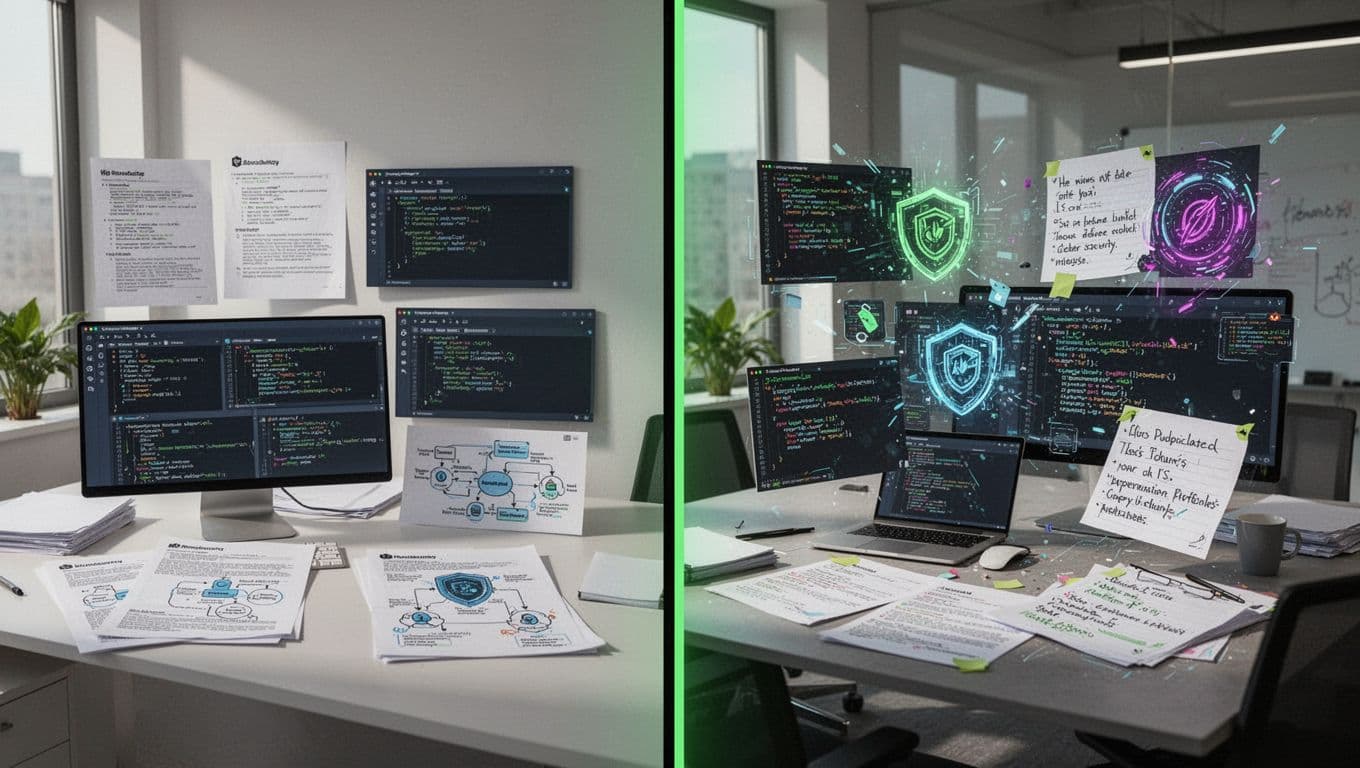
Watch for these patterns:
- Flash without detail, pretty slides, but no method, no data, and no results.
- Copied or generic work, the sample reads like a class exercise or a template instead of hands-on projects.
- Weak documentation, missing README files in GitHub repositories, unclear steps, or broken links.
- No ownership proof, the candidate can’t explain commits in their GitHub repository, choices, or tradeoffs.
- Unsafe offensive content, unclear authorization, real secrets, or poor data hygiene.
One red flag can be a mistake. Two or three usually mean the sample won’t hold up in an interview, lacking practical experience.
Frequently Asked Questions
What makes a strong security portfolio?
A strong portfolio demonstrates hands-on problem-solving, clear tradeoffs, and documentation that another team could repeat. It frames the problem with scope and constraints, explains technical choices with context, and ties outcomes to risk reduction or business impact. Visuals help, but the work must stand alone without them.
How should I build a scoring rubric?
Start with NIST-inspired criteria: problem framing, technical depth, documentation, impact, verification, and ethics. Define strong vs. weak evidence for each, like reasoning over screenshots or reproducible steps over broken links. Keep it simple for live use but detailed enough to align reviewers and defend decisions.
What are common red flags in portfolios?
Watch for flash without method, copied or generic exercises, vague or missing documentation, unverifiable ownership, and unsafe offensive content like unredacted secrets. One flag might be minor, but clusters signal weak substance. Polished style often hides these gaps in real skills.
How do I evaluate offensive security samples?
Demand proof of authorization, sanitized data, and responsible disclosure. Look for explained scope, methods, findings, and remediation without exposing targets. Test ownership with walkthrough questions—genuine authors explain choices easily.
Why match portfolios to specific roles?
Roles demand tailored evidence: incident timelines for SOC analysts, code reviews for AppSec leads, access paths for IAM specialists. Generic impressiveness doesn’t prove job-readiness. Dig for decisions and business context matching the work.
Make portfolio review part of the hiring workflow
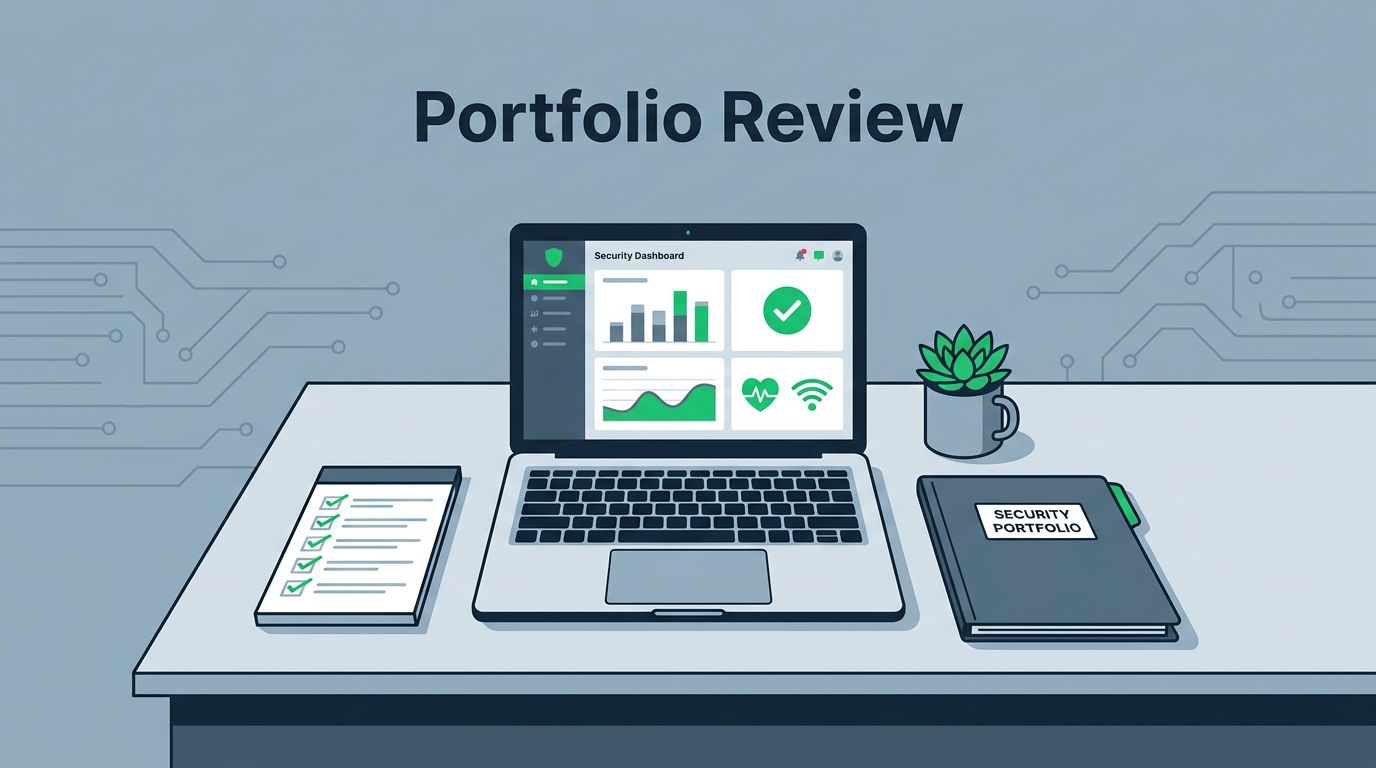
Cybersecurity portfolios work best when they sit inside a repeatable process. Review them against the role, score them with the same rubric, then verify the sample before you build an interview around it.
That keeps the team focused on evidence, not opinions. It also helps recruiters and technical interviewers stay aligned when they compare senior candidates, supporting effective portfolio management and security technology strategy.
If your team needs help tightening that process for hard-to-fill security roles, Book a Discovery Call with Bud Consulting.
Even when professional experience is limited, samples from security labs or home network security projects provide valid proof, especially for GRC, risk management, network security, or cybersecurity analyst roles. The best security portfolios don’t just look complete. They stand up to verification, and that’s the real test.