table of contents
A quarterly review can tell you a lot about a security recruiting pipeline. It shows where strong candidates enter, where they vanish, and where hard-to-fill roles keep stalling.
That matters more in cybersecurity than in most hiring tracks. Niche talent pools, clearance rules, cert filters, and passive candidates can slow everything down.
The best review is simple. It checks the numbers, the process, and the quality of every stage, so you can fix problems before the next quarter starts.
Start with a clear view of pipeline health
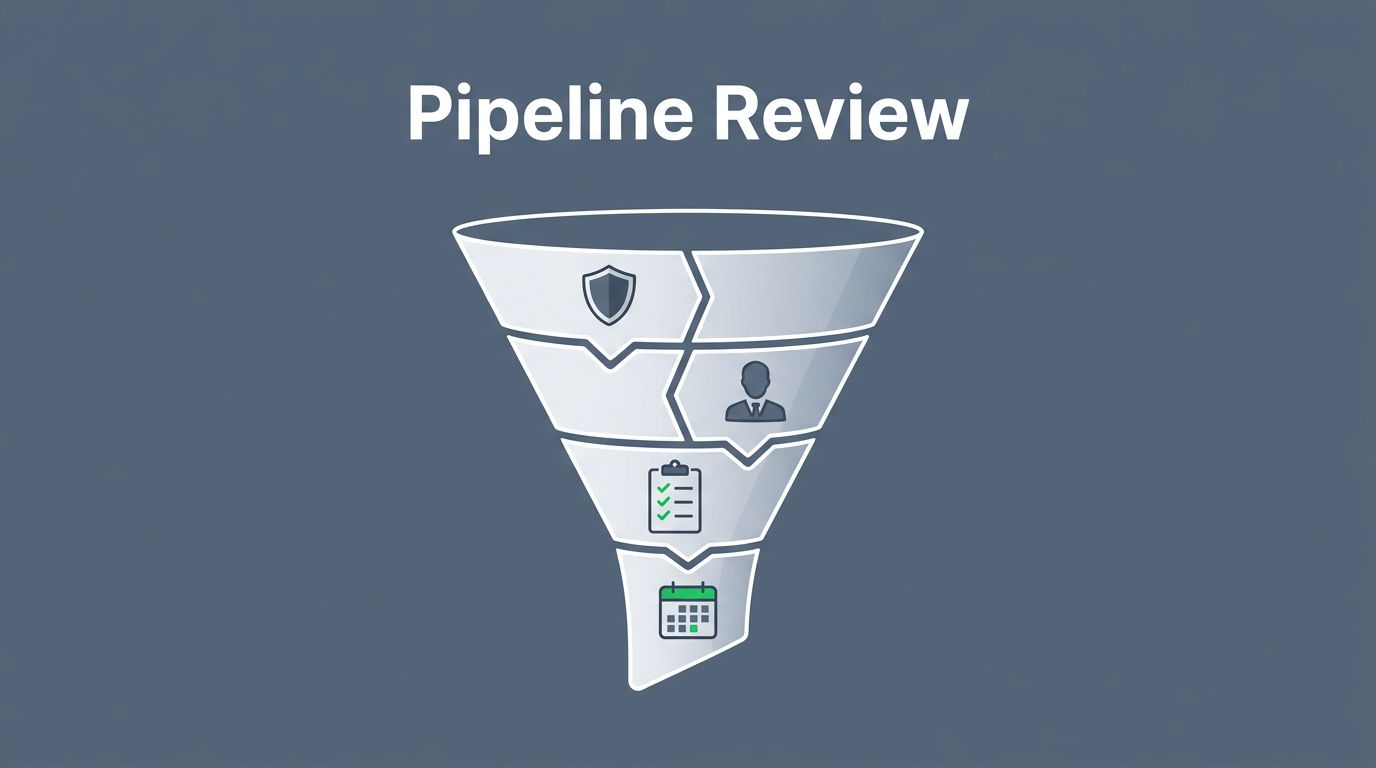
Begin with the full funnel, not just open requisitions. Look at sourced profiles, screen pass rates, interview conversion, offer acceptance, and time in stage by role family.
A pipeline that looks full at the top can still be weak. That usually means sourcing is broad, but qualification is thin.
A busy pipeline is not the same as a healthy one.

Use a simple scorecard like this during the quarterly review:
| Metric | What to check | Why it matters |
|---|---|---|
| Sourced candidates per req | Enough volume for each niche role | Shows whether the market search is wide enough |
| Screen-to-interview rate | Are too many resumes missing core skills? | Flags weak targeting or loose intake notes |
| Interview-to-offer rate | Do finalists miss on depth or scope? | Reveals broken assessment standards |
| Offer acceptance rate | Are offers competitive and fast enough? | Shows market fit and pay pressure |
| Days in stage | Which step creates the longest delay? | Exposes slow handoffs and panel gaps |
After the table, ask hiring leaders three direct questions:
- Which roles moved fastest, and why?
- Where did qualified candidates stall?
- Which roles were still open at quarter-end?
If a role needs clearance, certs, or rare domain depth, track those separately. One blended report hides the real problem.
Measure where security roles slow down
Security hiring often breaks in the middle of the process. Technical screens take too long. Panel feedback comes late. Or a candidate with strong hands-on experience gets stuck behind a rigid checklist.
This is where process design matters. For scorecards and interview standards, the NIST hiring rubric guide is a useful reference. It can help teams tighten evaluation criteria before the next cycle starts.

During the review, check these bottlenecks:
- Technical assessments take more than five business days to schedule or score.
- Hiring managers change the bar after candidates enter final rounds.
- Interviewers give inconsistent feedback on the same skill set.
- Clearance checks start too late in the process.
- Comp packages move after market-aligned candidates have already accepted elsewhere.
A good quarterly question is simple: where do strong candidates lose momentum? If the answer is always the same stage, fix that stage first.
Also compare speed by role type. A cloud security architect, IAM/PAM specialist, and SOC analyst do not move at the same pace. Their market pressure is different, so the review should reflect that.
If your team wants a stronger skills-based process, the cybersecurity hiring toolkit can help you tighten sourcing, screening, and interview design around actual job needs.
Review sourcing for niche and passive talent
The hardest security hires usually come from small pools. That includes senior cloud security leaders, appsec managers, offensive security experts, and security executives. Many of them are passive candidates, so inbound applicants alone will not fill the funnel.
Use the quarterly review to measure source quality, not just source volume. A channel that produces many resumes but few interviews is costing time.

These review questions keep sourcing honest:
- Which channels produced candidates with the right security depth?
- How many candidates came from referrals, communities, or direct outreach?
- What share of interviews came from passive candidates?
- Which outreach messages earned replies from senior talent?
- Did clearance, location, or cert filters shrink the pool too much?
Recent 2026 cybersecurity talent shortage stats show the market is still tight, so the best teams use targeted sourcing. They map must-have skills first, then search for matching experience. That approach beats broad posting every time.
You should also compare this quarter against the last one. If cloud security responses dropped, maybe your pitch got weaker. If senior appsec candidates vanished, maybe another team moved faster or offered more flexibility.
When the same hard-to-fill roles keep slipping, the issue may be deeper than sourcing. In that case, Book a Discovery Call with Bud Consulting and pressure-test the funnel, assessment design, and candidate market fit.
Close the review with actions, not opinions
A quarterly security recruiting review works best when it ends with decisions. Pick the three biggest bottlenecks, assign an owner, and set one metric for each.
The goal is simple. You want a pipeline that produces qualified, reachable, and ready candidates for the roles that matter most.
If the quarter exposed weak conversions or slow stages, fix those first. A sharper security recruiting pipeline does not come from more activity. It comes from cleaner targeting, faster decisions, and a better match between role demand and candidate reality.