table of contents
Struggling to fill that critical cloud security architect role? You’re not alone. In April 2026, security recruitment RFPs draw weak responses because they overlook cybersecurity’s unique demands.
Organizations face a talent crunch. Demand for specialists in IAM, DevSecOps, and offensive security outpaces supply. A solid RFP fixes this by signaling you understand the field.
This guide walks you through crafting one. You’ll get practical steps, sample questions, and evaluation tips tailored to info sec hiring.
Why Security Recruitment Differs from Tech Hiring
General tech recruiting focuses on skills like coding or project management. Security roles demand more. Candidates must handle threats that evolve daily.
Think about it. A developer might thrive in any startup. A security engineer needs deep knowledge of regulations like GDPR or NIST frameworks. They also require clearances for sensitive work.
Role specialization sets security apart. You seek experts in niche areas, such as PAM systems or cloud-native protections. General recruiters often miss this.
Certifications matter too. Look for CISSP, CISM, or CCSP. These prove real-world readiness, unlike broader IT certs.
Clearances add complexity. Government or finance jobs require background checks. Vetting takes time; standard processes fall short.
Regulatory awareness influences screening. Candidates anticipate audits and compliance shifts. They screen for cultural fit in high-stakes environments.
In 2026, hybrid threats amplify these gaps. Firms need pros who blend tech with risk mindset.

This contrast shows the divide clearly. Left side buzzes with general tech energy. Right side emphasizes secure, focused expertise.
As a result, your security recruitment RFP must highlight these differences. Otherwise, vendors send mismatched candidates.
Core Components of an Effective Security Recruitment RFP
Start with a clear scope. Define roles precisely, like “senior DevSecOps lead with Kubernetes experience.”
Outline your needs. Specify volume, timelines, and locations. Remote work dominates, but some roles need on-site for clearances.
Detail vendor expectations. Require proof of past placements in similar roles. Ask for retention rates over two years.
Budget transparency helps. State fee structures and payment terms upfront.
Include timelines. Set deadlines for proposals, interviews, and placements.
For inspiration, check NIST’s guide on cybersecurity job descriptions. It offers rubrics that adapt well to RFPs.
Background on your organization builds context. Share team size, current gaps, and culture. This attracts vendors who align.
Legal terms protect everyone. Cover NDAs, data handling, and dispute resolution.
Keep it concise. Aim for 10-15 pages. Busy vendors skip verbose docs.
Key RFP Questions for Security Recruitment Vendors
Targeted questions reveal vendor strengths. They separate generalists from specialists.
Focus on sourcing methods. How do they reach passive candidates in tight markets?
Probe certifications. “List required certs for roles like CISO. How do you verify them?”
Address clearances. “Describe your process for U.S. security clearances. Provide success metrics.”
Screening gets specific. “How do you assess regulatory knowledge, such as SOX or HIPAA?”
Ask about diversity. “What steps ensure inclusive pipelines for underrepresented security talent?”
Retention follows. “Share strategies to boost long-term placement success.”

Reviewing these questions sharpens your RFP. Highlights draw eyes to must-haves.
In addition, request case studies. “Detail a recent IAM specialist placement. Include challenges overcome.”
These queries ensure responses match your needs.
Vendor Evaluation Criteria That Work
Score proposals objectively. Use a rubric with weighted categories.
Prioritize experience: 30% for security-specific placements.
Methodologies: 25% for sourcing, screening, and vetting processes.
Metrics: 20% on time-to-fill, retention, and cost-per-hire.
References: 15% from verifiable clients.
Innovation: 10% for tools like AI vetting or niche networks.
| Category | Weight | Key Metrics |
|---|---|---|
| Experience | 30% | # of similar roles filled |
| Methodologies | 25% | Screening for certs/clearances |
| Performance | 20% | 90-day retention rate |
| References | 15% | Client feedback scores |
| Innovation | 10% | Unique sourcing approaches |
This table simplifies scoring. Top scorers advance to demos.
Interview top vendors. Test with a mock requirement.
For templates, see TechTarget’s cybersecurity RFP advice. Adapt for recruitment.
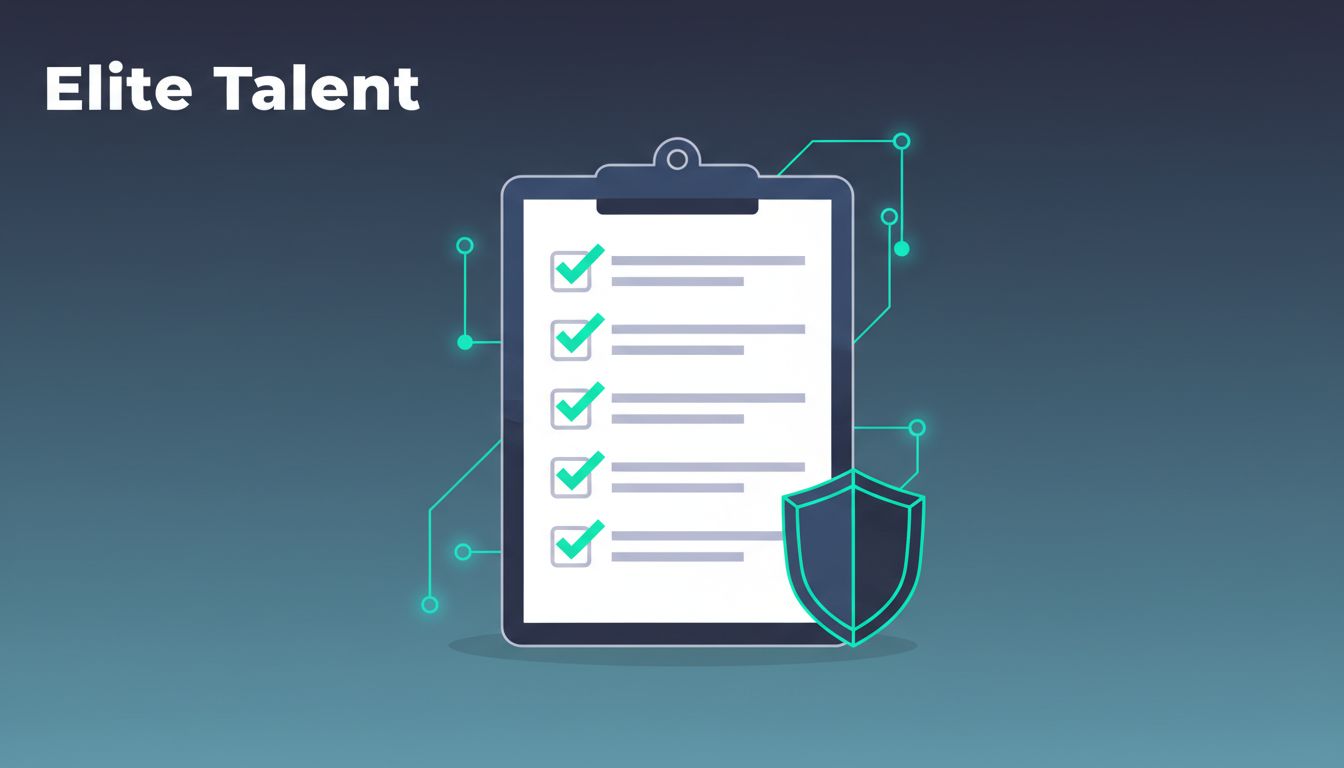
Security Recruitment RFP Checklist
Use this checklist to finalize your document. It ensures completeness.

- Define roles and requirements clearly.
- List must-have certs and clearances.
- Set evaluation criteria and weights.
- Include timelines and budget.
- Require case studies and metrics.
- Proofread for legal compliance.
- Distribute to vetted vendors.
Tick these off before issuing. It streamlines responses.
Ready to hire top talent? Book a Discovery Call with Bud Consulting for tailored support.
A strong security recruitment RFP closes gaps fast. It attracts vendors who deliver proven experts. Your team gains specialists ready for 2026 threats.
What RFP challenge holds you back most? Start with one section today.