table of contents
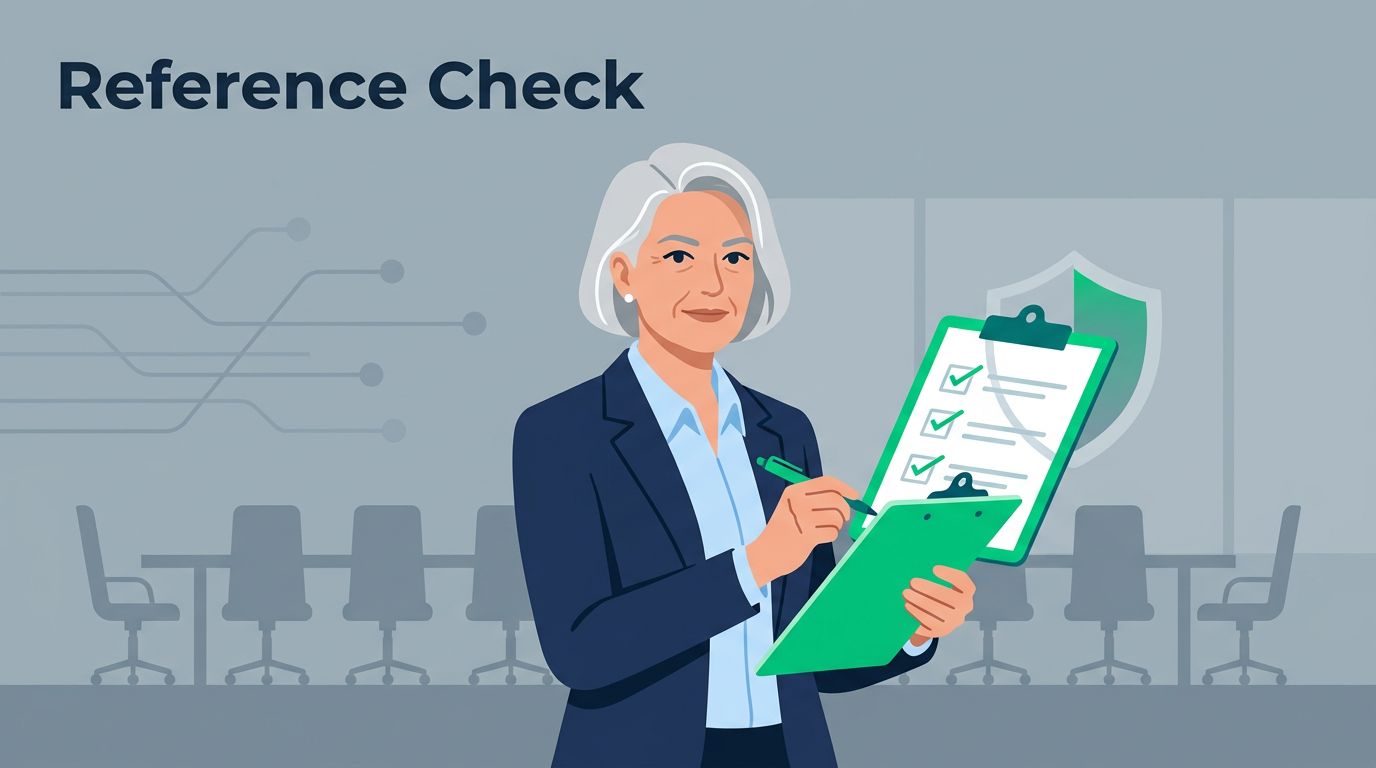
A polished interview can hide a lot. That’s why security reference checks matter so much for senior hires, especially when the role touches incidents, board trust, and business risk.
The best calls do more than confirm dates and titles. They reveal how a person leads under pressure, how they make trade-offs, and whether teams trusted them when it counted.
Use open-ended, evidence-based questions, then listen for examples. The goal is simple, find out what this person actually did, not what they say they did.
Why security reference checks matter for senior roles
Senior security leaders shape decisions that affect uptime, regulation, customer trust, and company culture. A bad fit can create slow damage, not just a bad quarter.
Structured calls work better than casual chats. Good reference frameworks, like Recruiterflow’s reference check questions and GoodHire’s employer guidance, point in the same direction, ask the same core questions and compare answers across references.

Praise is cheap. Examples are not.
Reference check questions that surface real evidence
Keep the tone calm and direct. Ask for situations, actions, and outcomes. If the reference only offers general praise, keep digging.
Leadership and decision-making
These questions help you see how the candidate leads when the answer is not obvious.
- “Tell me about a hard security call they made. What trade-off did they choose?”
- “How did they react when senior leaders pushed back on their recommendation?”
Security strategy and risk management
Senior security leaders need more than technical skill. They need a clear view of risk and priorities.
- “What security strategy did they own, and what changed because of it?”
- “Which risks did they tackle first, and how did they decide?”
- “Did they connect security work to business goals, or stay focused on tasks?”
Incident response and crisis handling
This is where judgment shows fast. A good reference should describe actions, not just calm behavior.
- “Describe a serious incident they handled. What did they do in the first hour?”
- “How did they brief people while facts were still changing?”
- “What improved after the incident, and did those fixes stick?”

Cross-functional influence
Security leaders rarely succeed alone. They need product, IT, legal, HR, and operations on their side.
- “Which teams did they work with most, and how did they build support?”
- “Can you share a time they changed another leader’s mind without formal authority?”
Communication with executives and boards
A senior security leader should explain risk in plain language. Jargon is a warning sign.
- “How did they explain risk to non-technical leaders?”
- “Did their executive updates feel clear and useful, or hard to follow?”
- “When they had bad news, how did they deliver it?”
Technical depth and architecture judgment
This is not about having the deepest hands-on skill in every area. It is about sound judgment.
- “Where was their technical depth strongest, such as cloud, IAM, app sec, or detection?”
- “Tell me about a design review where their input changed the final decision.”
Team building and talent development
A senior hire should raise the bar for the whole team. That means hiring well, coaching well, and fixing weak spots.
- “What kind of team did they build, and how did performance change?”
- “How did they handle skill gaps or low performance?”
- “Would you put them in charge of another security team?”

Ethics, trust, and compliance
For security roles, trust is part of the job description. Ask about honesty, discretion, and how the person handled mistakes.
- “Did you trust them with sensitive information and hard truths?”
- “Were they candid about errors, or did they shift blame?”
- “Did you ever see them bend policy or hide a problem?”
How to read the answers
The same question can reveal a lot through tone, speed, and detail. Strong references tend to give concrete stories, name outcomes, and share both strengths and limits.
| What you hear | What it may mean |
|---|---|
| Specific examples with actions and outcomes | Real exposure and firsthand experience |
| Clear praise plus one honest limit | Balanced feedback and useful context |
| Vague answers like “fine” or “solid” with no detail | Low confidence or polite hedging |
| Praise that turns into concern about judgment or ethics | Treat it as a red flag |
One weak answer does not end the process. Repeated hedging, inconsistency, or defensiveness deserves a closer look.
Keep the process fair and compliant
Reference checks should stay tied to the role, follow company hiring policy, and comply with applicable employment laws. Get consent, use consistent questions, and document what you hear.
For a useful reminder on legal limits and process hygiene, see Checkr’s guide to checking references. If you need help shaping a hiring process for senior security roles, Book a Discovery Call with Bud Consulting.
Senior security hiring gets easier when you stop asking for opinions and start asking for evidence. The right reference call shows how someone thinks, how they lead, and how they behave when pressure rises.
That’s the real value of security reference checks. They help you see past the resume and toward the judgment your organization will live with.