table of contents
Security workforce planning in 2026 can’t run on guesswork. Budgets are tighter, threats move faster, and finance teams want proof that each role lowers risk or supports growth.
That changes the staffing conversation. You need a plan that shows where coverage is thin, where automation can help, and where a human still has to own the decision. The strongest requests read like business cases, not headcount wish lists.
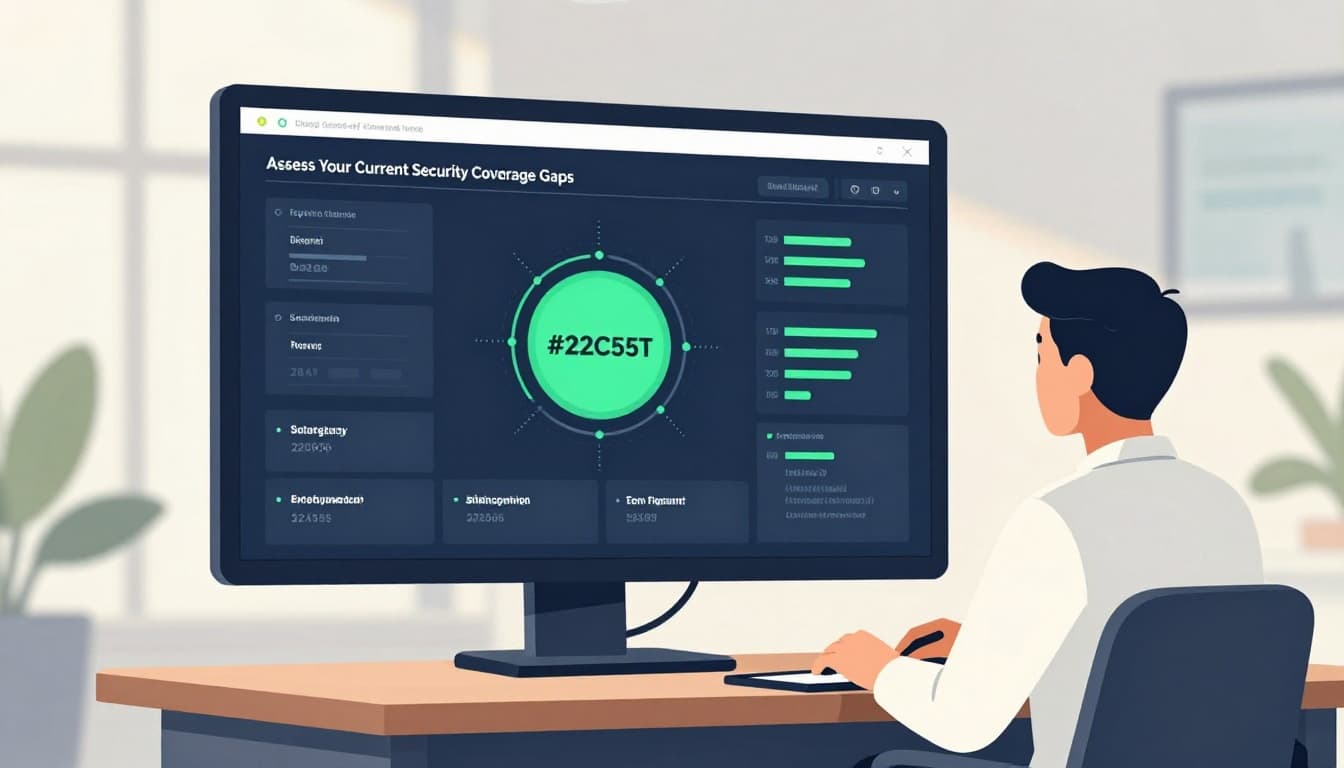
Start with the coverage gaps that matter most
Before you ask for new positions, map the work your team already owns. Look at alert volume, on-call load, cloud change rates, audit findings, and how long it takes to contain incidents.
A useful frame is Crowe’s strategic planning for cybersecurity budgets in 2026, because it ties budget decisions to asset risk and business impact. That matters more now, since AI-assisted phishing, SaaS sprawl, and faster software release cycles keep pushing teams harder.
If one analyst is buried under thousands of alerts, the issue is coverage, not effort. The same pattern shows up when cloud misconfigurations stay open for days or when access reviews pile up for months.
A budget request gets stronger when it shows the cost of being understaffed.
In 2026, the best way to start is simple. Map where incidents would spread fastest if a role went missing for two weeks. Those are the gaps that deserve attention first.
Rank roles by business risk, not by org chart
A staffing plan works best when it ranks jobs by loss potential, not by title prestige. The goal is to fund the work that stops incidents, speeds recovery, and keeps deals moving.
The table below gives a quick way to think about 2026 priority roles.
| Function | Fund first when… | Common 2026 request |
|---|---|---|
| SOC | alerts pile up and 24/7 coverage is weak | tier-1 analysts, detection engineer |
| Cloud security | more workloads move to cloud | cloud security architect |
| Identity and access | joiner, mover, leaver work slips | IAM and PAM specialist |
| GRC | audits and customer asks keep growing | GRC lead or analyst |
| Incident response | containment is slow after hours | IR lead or retainer support |
| AppSec | releases ship faster than reviews | AppSec engineer, DevSecOps support |
The pattern is clear. A SOC often needs better triage and detection tuning before it needs more people on the alert queue. Cloud teams usually need someone who can build guardrails into landing zones and IaC reviews.
Identity teams need help when privileged access reviews lag or MFA exceptions pile up. GRC teams need capacity when the same evidence gets rebuilt for every audit. AppSec needs more support when release speed outpaces threat modeling or secure code review.

Use automation and managed services where they fit
Not every gap needs a full-time hire. Some work belongs in tools or services, especially when the task is repetitive and the decision path is clear.
SANS’s 2026 Cybersecurity Workforce Research Report reflects the shift toward skills-based planning and smarter use of AI. That fits what many teams are seeing now. Automation can enrich alerts, pull evidence, and check cloud posture faster than a person can.
Managed security services help most with coverage, not strategy. They work well for after-hours monitoring, surge support during incidents, and first-pass triage when your internal team is small.
A simple split works well:
- Keep in-house: architecture, policy, incident command, and identity design.
- Automate: log enrichment, baseline checks, and evidence collection.
- Outsource: night coverage, overflow monitoring, and niche threat intel.
If you need a practical SOC benchmark, 12 Security Operations Center (SOC) Best Practices in 2026 is a useful reference for coverage and process design. The point is to preserve your senior team for judgment work. Tools and vendors should remove noise, not own the risk.
Budget for the hiring market you actually face
The market is still tight for senior cloud security, IAM, AppSec, and incident response talent. StationX’s Cybersecurity Job Market Statistics and Trends [2026] shows how deep the talent gap remains, even as hiring standards stay high.
That means your budget should cover more than salary. It should include recruiter support, training time, certification costs, and the ramp-up period after hire. In a tough market, a six-month vacancy can hurt more than a higher offer.
Hiring leaders also want proof that the role matters now. Link the ask to one of three outcomes: lower breach impact, faster recovery, or lower compliance risk. That makes the request easier to defend.
If the market keeps delaying a hard-to-fill role, mix a full-time hire with contract help or advisory support. Book a Discovery Call with Bud Consulting when you need to pressure-test the role mix before the budget locks.

The budget request that gets approved
Security workforce planning works when every request ties back to a real risk, a real control gap, or a real business goal. If a role shortens response time, closes audit gaps, protects cloud change, or keeps customers confident, the budget conversation gets easier.
Before you submit your 2026 plan, check four things: your current coverage gaps, your role priorities, your mix of hires versus automation, and your hiring assumptions. That keeps the plan grounded in the work that matters most.
A clear staffing story is the difference between a wish list and a budget leaders will back.