table of contents
Picture this: you run a local retail shop with 15 employees. One click on a fake invoice email locks your files with ransomware. Your business grinds to a halt. 61% of small businesses faced at least one cyberattack last year. Many shut down within six months.
Owners like you worry about these threats. You handle sales, staff, and suppliers daily. Yet cyber risks grow fast. Ransomware hit 37% of attacks, up 8% from before. Small firms take 50% of all hits.
This post breaks down the risks, your options, and when a cybersecurity consultant makes sense. You’ll see clear signs it’s time to act.
Why Small Businesses Face Rising Cyber Threats
Small businesses draw attackers because they seem easy. Cybercriminals know you lack big security teams. Only 28% have a full-time expert. Attacks rose 14% last year. Retail and healthcare shops saw sharp jumps.
Hackers target emails and cloud tools. They strike weekly, with 1,968 global attacks on average. Micro-firms under 10 people face 18% of breaches. 60% close within six months after one hit.
Costs add up quick. Data breaches average $164,000. Cybercrimes drain $2.4 billion yearly from small firms. Many owners rank this as their top fear, at 75%.
For detailed stats, check 205 Cybersecurity Stats and Facts for 2026. These numbers show why ignoring risks hurts.

Phishing fools 17-42% of owners. One bad click spreads malware. Weak passwords worsen it. Your team shares files without checks. Attackers exploit that gap.
Everyday Vulnerabilities in Remote Work and Vendor Management
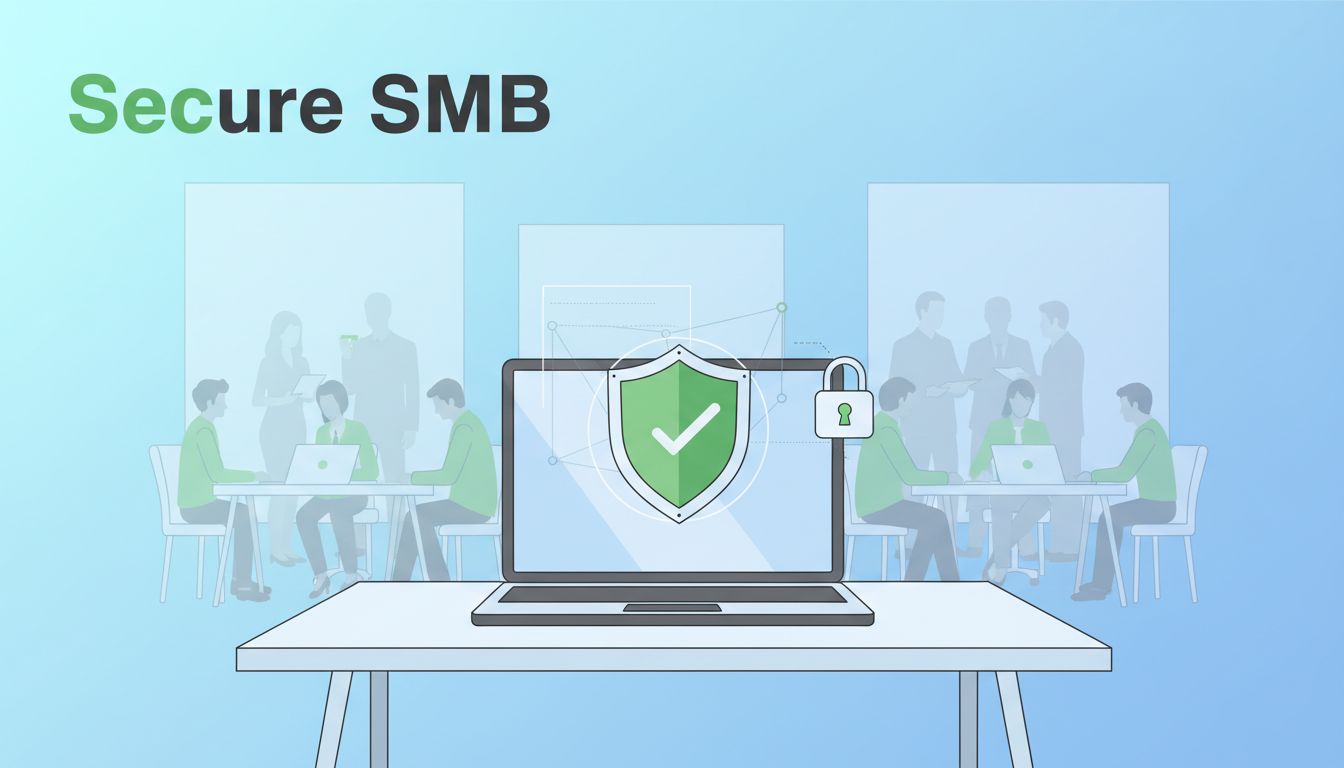
Remote setups create holes. Employees log in from home WiFi. Unsecured networks invite trouble. Vendor links carry hidden risks too.
One worker joins a video call over weak signals. Open padlocks signal easy entry. Another reviews supplier docs without scans. These slips lead to breaches.
Split your team across homes? 34% of victims get hit twice yearly. Startups under two years old face 39% attack rates.

Compliance adds pressure. Regulations demand data protection. Miss them, and fines follow. Internal IT fixes printers, not these deep issues.
What Internal IT and MSPs Can’t Always Handle
Your IT guy keeps servers running. He patches software and resets passwords. But small business cybersecurity needs more. He spots daily glitches, not hidden threats.
MSPs manage networks and backups. They watch endpoints 24/7. MSSPs focus on alerts and response. Both help, yet they follow templates.
Consultants dig deeper. They assess your full setup. Unlike MSPs, consultants build custom plans. They test for weak access controls. MSPs react; consultants prevent.
For a comparison, see Cybersecurity Consultant vs Managed Security Provider. Consultants spot vendor risks your IT misses.
Ransomware locks files fast. Internal teams pay or lose data. Consultants train staff on phishing signs.
Unique Benefits of Hiring a Cybersecurity Consultant
Experts bring fresh eyes. They run audits to find gaps. Your team overlooks weak passwords or old software.
They craft plans fit for you. No cookie-cutter fixes. Expect outcomes like fewer alerts and compliance checks passed.

Consultants differ from MSPs. MSPs handle IT basics. Consultants focus on strategy and culture. They cut human errors through training.
Red flags when hiring: vague plans or no references. Pick ones with small business experience. They explain risks in plain terms.
Costs start at hourly rates. Basic audits run $5,000-$15,000. Ongoing advice costs less than breaches. Check Cybersecurity Pricing Guide 2026 for ranges.
Costs, Red Flags, and When to Call in Experts
Weigh the spend. Breaches cost more than consultants. A $100,000 hit ends 40% of firms.
Hire when attacks rise or compliance looms. Signs include frequent alerts or remote work woes.
Watch for consultants pushing products only. Good ones offer clear roadmaps.
Next steps: list your risks. Check tools now. Book a Discovery Call with Bud Consulting to assess your setup.
Small business cybersecurity saves operations. Attacks hit hard, but experts shield you. Act before the next email tricks your team. Your shop stays open that way.
(Word count: 982)