table of contents
Small businesses get targeted because they often have thin IT teams and plenty of exposed entry points. The right cybersecurity consulting firms can close those gaps before one weak password turns into a costly mess.
Not every provider fits a 20-person company. Some are built for enterprise boards, while others offer practical help, fixed-fee support, and plain-English advice. Here’s how the strongest SMB options compare, and how to choose the one that fits your team.
Why small businesses need the right security partner
Small companies face the same threats as larger ones, but with fewer hands on deck. Phishing, ransomware, and simple misconfigurations can spread fast when nobody owns security full-time.
That’s why the best consulting partner does more than run scans. It helps you set priorities, train staff, patch weak spots, and show auditors that you take risk seriously. For a broader market view, Clutch’s small business cybersecurity rankings are a useful starting point, while Network Intelligence’s 2026 consulting guide highlights how incident experience and compliance work shape real value.
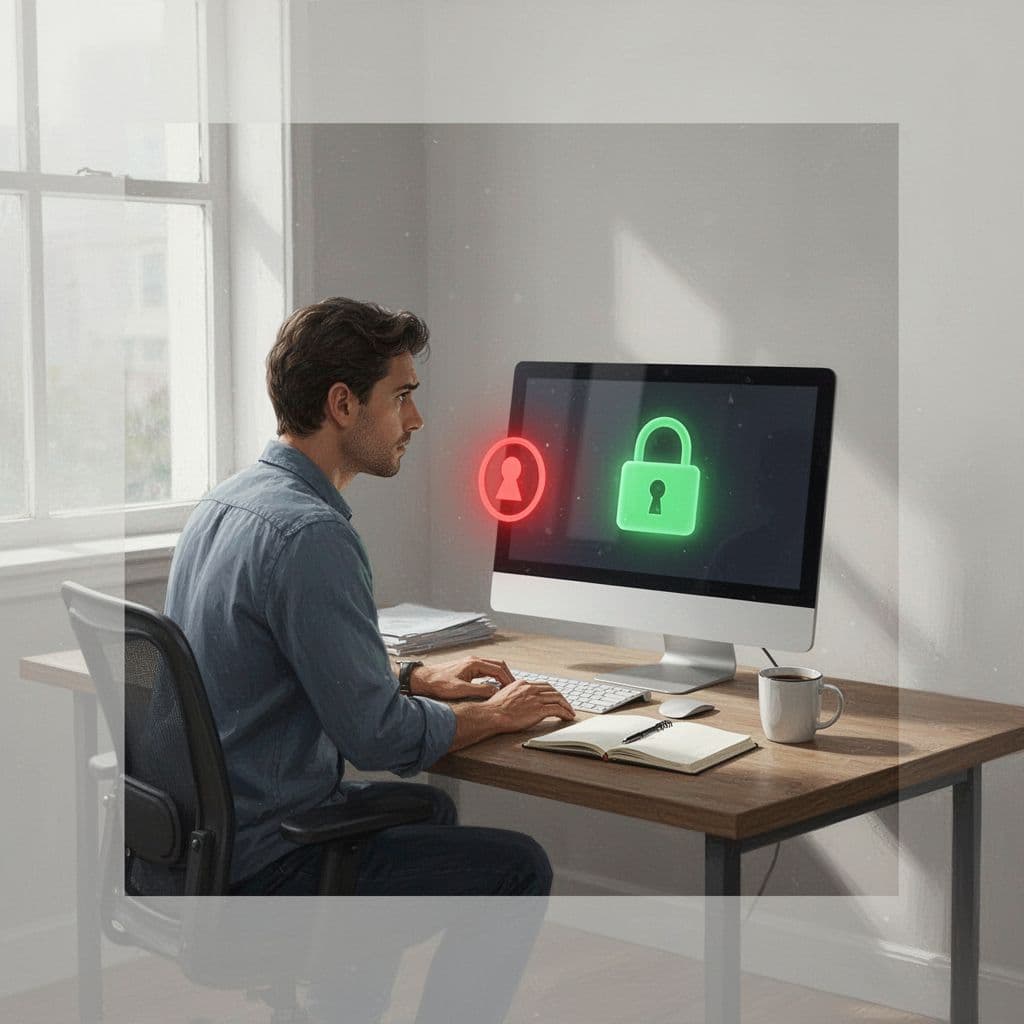
If your team only handles IT when something breaks, you need a partner that can lead. If you already have a strong admin, you may need less hand-holding and more targeted support.
The best cybersecurity consulting firms for small businesses in 2026
Some SMB buyers want a pure consulting shop. Others want a provider that mixes software, support, and implementation. This list includes both, because small business security rarely fits one neat box.
| Firm | Best for | SMB strengths | Pricing note |
|---|---|---|---|
| TRN Digital | Small to mid-sized firms that want hands-on support | 24/7 SOC, endpoint protection, firewalls, encryption, training, scans, patches, compliance help | Quote-based |
| PTG | SMBs that want IT and security in one fee | Managed security, phishing tests, dark web checks, quarterly reviews, cyberSOC monitoring | Predictable monthly fee |
| Sophos | Businesses that want simpler protection tools | Intercept X, ransomware defense, easy deployment, partner-led support | Subscription-based |
| Fortinet | Companies with remote work or network-heavy setups | FortiGate firewalls, Security Fabric, zero-trust, secure SD-WAN | Scalable subscriptions or appliances |
The big takeaway is simple. TRN Digital and PTG look more like managed service partners. Sophos and Fortinet are better known for platforms, but many SMBs still choose them when they want security tools plus implementation help.

TRN Digital
TRN Digital fits small and mid-sized companies that want a team to own more of the day-to-day work. Its SMB package covers monitoring, endpoint protection, firewalls, encryption, employee training, vulnerability scans, patching, and compliance help for HIPAA, PCI-DSS, and GDPR.
That mix works well for businesses that need broad coverage without hiring a full security staff. The trade-off is simple, pricing is quote-based, and a smaller regional firm may have less depth than a global provider during a very large incident. Still, it’s a solid pick if you want practical support and clear accountability.
PTG
PTG suits SMBs that prefer one monthly fee for most IT and security needs. Its model includes cyberSOC monitoring, email encryption, firewall management, URL filtering, mobile device management, phishing tests, dark web checks, software updates, and hardware refresh planning.
That bundle helps when you want fewer vendors and fewer surprise bills. On the downside, a packed service bundle can be more than a microbusiness needs. For a growing company, though, PTG makes sense because it ties security work to regular business reviews and keeps the plan easy to budget.
Sophos
Sophos is a strong fit for small firms that already have some IT help but still need better endpoint defense. Its Intercept X platform focuses on ransomware and exploit blocking, and it tends to be easier to deploy than heavier enterprise stacks.
This option works best when you want a cleaner toolset rather than a large consulting relationship. The limitation is that Sophos often depends on a partner or internal admin for rollout and tuning. Even so, it’s a practical choice for SMBs that want better protection without adding a lot of complexity.
Fortinet
Fortinet fits small businesses with branch offices, remote workers, or heavier network demands. FortiGate firewalls and the Security Fabric platform connect network, endpoint, and cloud controls, while zero-trust and secure SD-WAN features help support distributed teams.
It’s a good SMB option when network security is the main pain point. The downside is that Fortinet can feel technical if you don’t have an experienced admin. Also, pricing varies by appliance and subscription mix, so you’ll want a clear quote before you commit. Still, it scales well when your business keeps adding sites or users.
How to choose the right firm for your business

Match the budget to the contract style
If you need predictable spend, look for managed services or monthly bundles. If you only need a short assessment, quote-based project work may be cheaper. Either way, ask what’s included, because support, tools, and after-hours response can change the real cost fast.
Start with compliance, not brand names
If you handle payment data, health data, or customer records, compliance work should drive the search. A firm that understands HIPAA, PCI-DSS, or GDPR can save hours later. If your industry has no strict rules, you can focus more on monitoring, awareness training, and response planning.
Pick a firm that fits your size
A 15-person shop does not need the same setup as a 300-person company. Smaller teams often need guided setup and plain advice. Growing firms may need deeper monitoring, better identity controls, and more frequent reviews. So, match the provider to your pace, not your wish list.
Be honest about your internal IT maturity
If your staff only handles break-fix work, choose a firm that can lead. If you already have a capable admin, a platform-first provider may be enough. When you need senior security direction, Book a Discovery Call with Bud Consulting can help you close leadership gaps before you buy the wrong service.
The best fit usually isn’t the biggest name. It’s the provider that can explain the trade-offs in plain English.
The smart shortlist for SMBs
If you want a fully managed partner, TRN Digital and PTG are the strongest places to start. If you want tools plus guided deployment, Sophos and Fortinet deserve a closer look.
The right choice comes down to fit, not fame. For small businesses, clarity, response time, and honest pricing matter more than a flashy brand.