table of contents
SOC teams face constant pressure. Alerts flood in around the clock, threats evolve fast, and skilled analysts burn out. You know the drill: empty chairs mean slower responses and higher risks.
Turnover hits hard in cybersecurity. With 4.8 million unfilled jobs worldwide and costs up to $145,000 per replacement, SOC analyst retention tops the list for leaders like you. This article shares practical steps to keep your team intact.
Let’s start with why this matters.
Why SOC Analyst Retention Is Critical
High turnover disrupts operations. When an analyst leaves, response times slow. New hires need months to ramp up, leaving gaps that attackers exploit.
Data shows the scale. In the US, 3.1 to 3.5 million cybersecurity roles stay open despite a growing workforce of 5.9 million in 2026. Burnout drives 67% of departures, often from poaching or return-to-office rules.

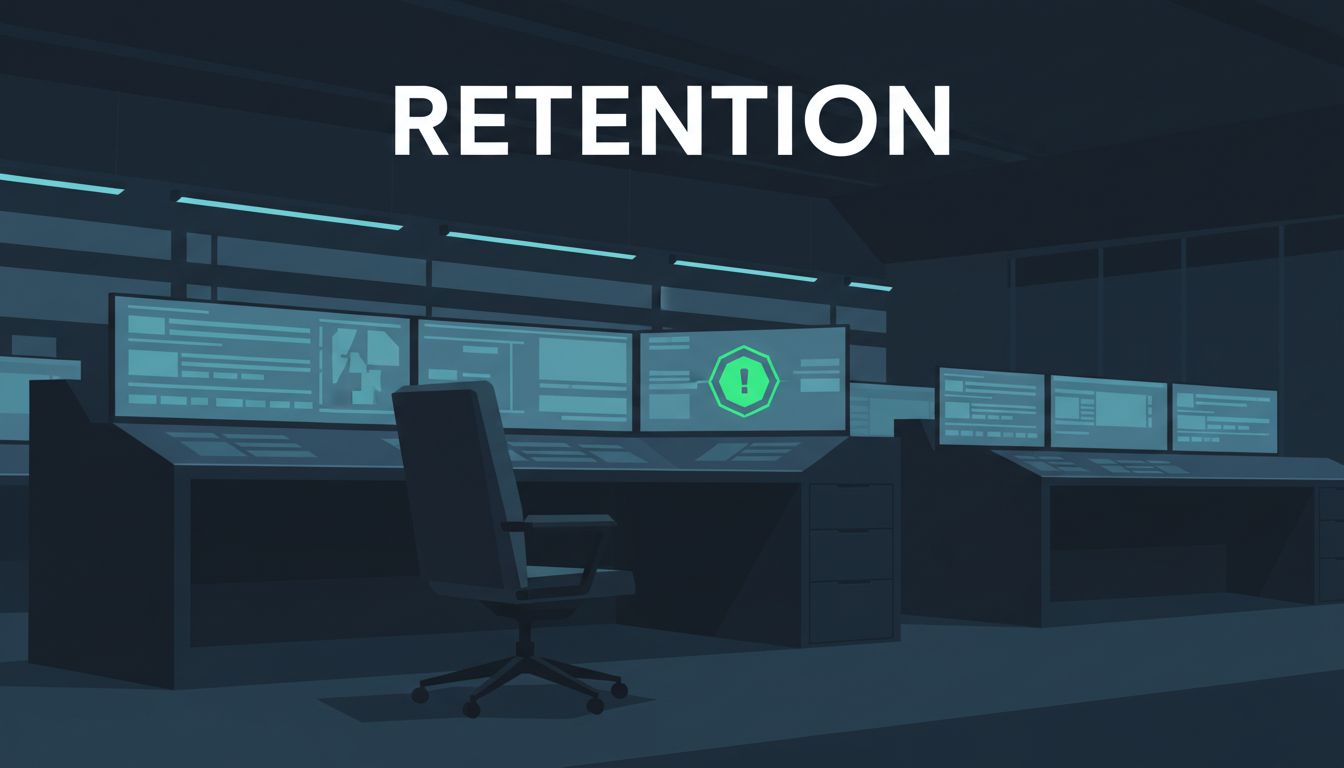
Picture your SOC at night. Screens glow with alerts, but one chair sits empty. That spot costs time and money. Retention bonuses from $9,000 to $35,000 help short-term. They don’t fix root issues like alert fatigue.
Skills shortages worsen it. Half of leaders cite mismatched expertise over headcount. Teams handle complex threats with junior staff. Result? More stress and exits.
You can change this. Focus on retention to build stability. Strong teams spot threats faster and cut dwell times.
Key Reasons Analysts Leave SOCs
Burnout tops the list. Analysts review hundreds of alerts daily. False positives erode morale. Decision fatigue sets in, spilling into life outside work.
Hiring challenges compound it. Competitors poach talent with better pay or remote options. 52% of leaders face skills gaps, not just numbers. Training new people takes time and cash.
Workload imbalances hurt too. Tier 1 tasks dominate days: log reviews, ticket shuffling. No room for growth or high-value work. Analysts feel stuck.
For deeper insights on reducing SOC analyst burnout through alert management, check proven tactics. Remote mandates push people away. Flexible setups keep them.
Experience levels matter. Seniors demand more than salary. They want impact and tools that match threats. Juniors need guidance to avoid overwhelm.
Address these, and turnover drops. Start with honest talks. What pushes your team out the door?
Build Clear Career Paths for Analysts
Career growth keeps analysts engaged. Map paths from junior to senior roles. Show milestones like certifications or lead positions.
Start simple. Create tiers: Tier 1 handles basics, Tier 2 triages, Tier 3 hunts. Promote based on skills, not tenure. One team cut exits 20% with quarterly reviews.
Mentorship pairs juniors with seniors. Weekly check-ins build bonds. Analysts learn faster and feel valued.
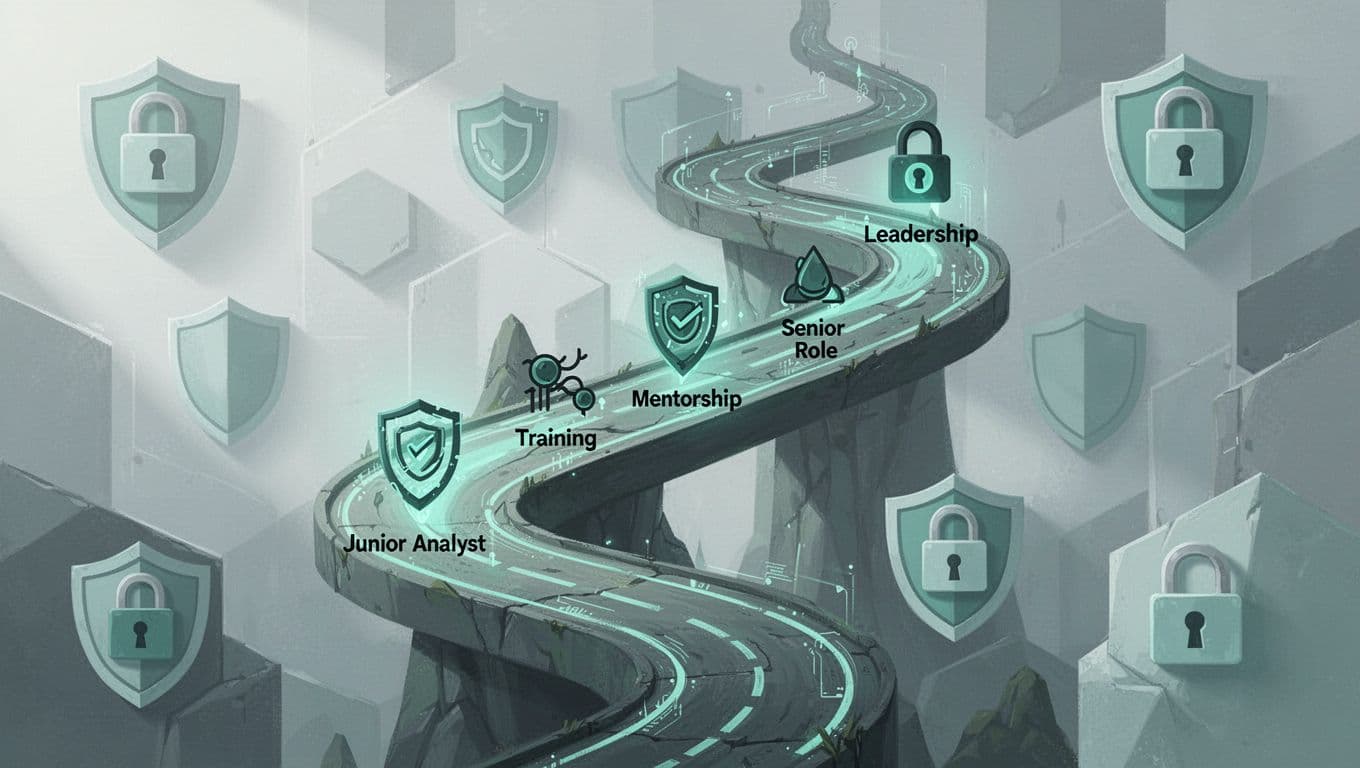
Visualize progress like a trail through security icons. Each step builds confidence. Tie it to pay bumps or bonuses.
Tools aid growth. Budget for training: SANS courses, cloud certs. Track progress in shared dashboards.
Examples work. A mid-size firm offered “analyst academies.” Six-month programs led to 15% retention gains. Leaders shared stories in all-hands.
You can adapt this. Survey your team on goals. Align paths to business needs. Growth beats cash alone for long-term stays.
Ease Workloads to Fight Burnout
Heavy loads cause 40% of quits. Alerts take 40 minutes each without help. Shift to AI tools. They cut times to 3 minutes, freeing analysts for real work.
Flexible schedules help. Rotate shifts with remote days. One SOC used 4-day weeks; burnout fell 25%.
Better tooling matters. Integrate platforms to end tool-hopping. Analysts focus on threats, not admin.
For strategies on motivating SOC teams with buddy programs and SMART goals, see real examples. Recognize wins. Shout-outs in meetings boost morale.
Wellness checks prevent issues. Track metrics: alert volume per person, closure rates, time off. High backlogs signal overload.
Set boundaries. No after-hours pings unless critical. Teams with clear rules report higher satisfaction.
Balance comes from leaders. Model rest. Your example sets the tone.
Invest in Mentorship and Team Culture
Mentorship builds loyalty. Pair new hires with veterans. They gain skills and context fast.
Culture ties it together. Foster inclusion. Diverse teams spot blind spots.
Events strengthen bonds. Hackathons or threat sims turn work fun. One group hosted monthly “win shares”; engagement rose.
Tools like AI reduce drudgery. Read about AI’s role in SOC efficiency and retention. It shifts focus to strategy.
Feedback loops matter. Anonymous surveys every quarter. Act on input to show you listen.
Small wins add up. Free lunches, gym perks. They signal care without big spends.
Strong culture retains top talent. It shows in lower turnover numbers.
Step-by-Step Retention Framework
Build a plan that fits your SOC. Follow these steps.
Assess first. Survey analysts on pain points. Review exit data for patterns.
Set goals. Aim for 15% turnover drop in year one. Tie to metrics like tenure or satisfaction scores.
Implement changes. Roll out paths, tools, schedules. Pilot with one team.
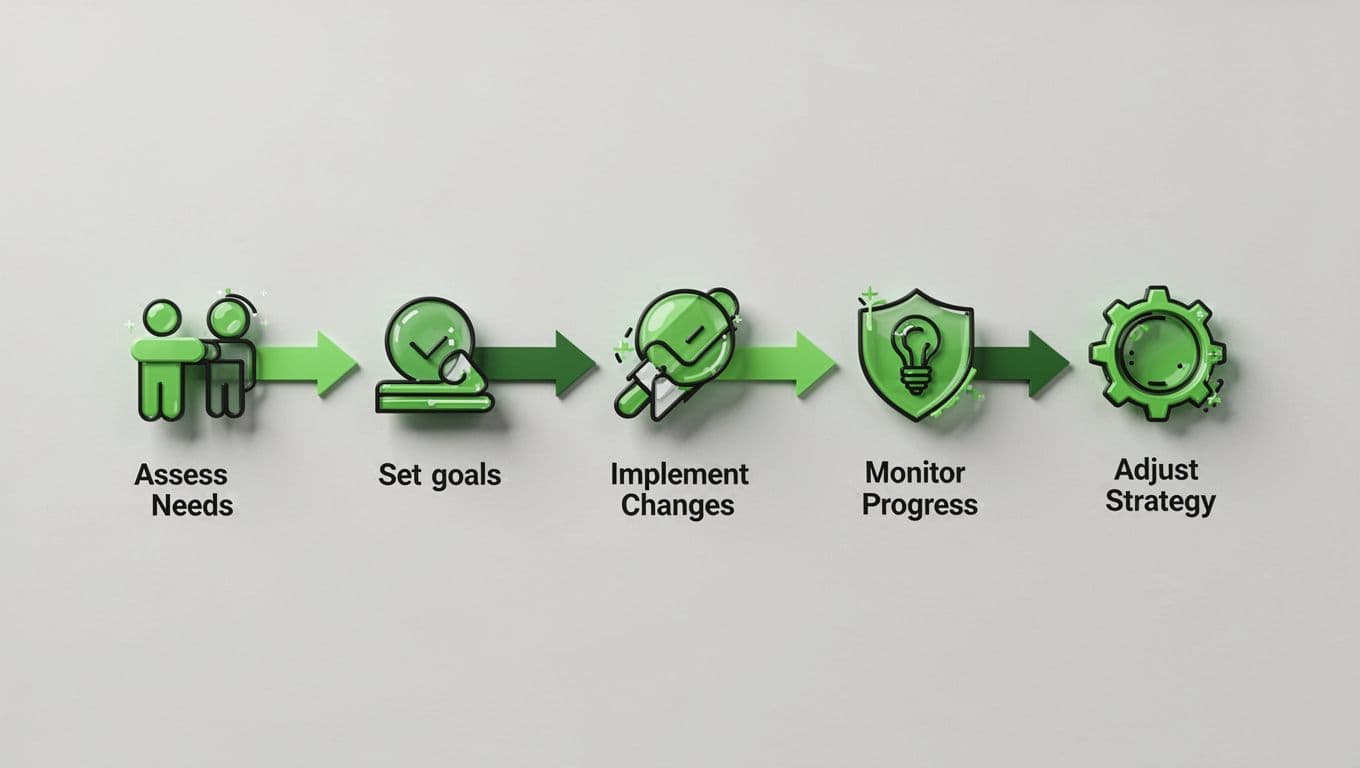
This flow guides you: assess, goal-set, change, monitor, adjust.
Monitor progress. Track quarterly. Use dashboards for real-time views.
Adjust as needed. Threats change; so do plans. Stay agile.
One firm used this. They cut turnover 30% in 18 months. Adapt it now.
Conclusion
Retention starts with action. Clear paths, smart workloads, and strong culture keep SOC analysts longer. Costs drop, teams strengthen.
You face staffing gaps and burnout head-on. These steps counter them.
Prioritize today. Book a Discovery Call with Bud Consulting to tailor plans for your team. Stable SOCs win.