table of contents
A single weak link in your supply chain can cripple your entire operation. Remember SolarWinds? Hackers slipped malicious code into software updates, hitting thousands of companies and government agencies. Boards now face pressure to spot these supply chain cyber risks before they turn into crises.
You oversee strategy and risk, yet cyber threats from vendors often feel distant. Training equips you to ask the right questions and hold management accountable. This post covers practical steps, real examples, and tools to strengthen your oversight.
Why Supply Chain Attacks Hit Boards Hardest
Supply chains connect your business to vendors, suppliers, and even their partners. A breach at any point exposes your data, halts production, or erodes trust. Boards must grasp this because regulators and shareholders demand accountability.
Take the Colonial Pipeline ransomware attack in 2021. Hackers targeted a vendor, shutting down fuel supplies across the U.S. East Coast. Stock prices dropped, and leaders scrambled. These incidents show how third-party weaknesses become your problem.
Governance starts here. You set the tone for enterprise risk management. Without clear oversight, cross-functional teams drift, and risks grow. Training bridges that gap. It helps you link cyber threats to business outcomes like revenue loss or fines.
Recent laws amplify this. The SEC now requires faster disclosure of material cyber events. Boards that ignore supply chain gaps face personal liability. Focus training on these stakes to drive action.
Mapping the Full Scope of Vulnerabilities
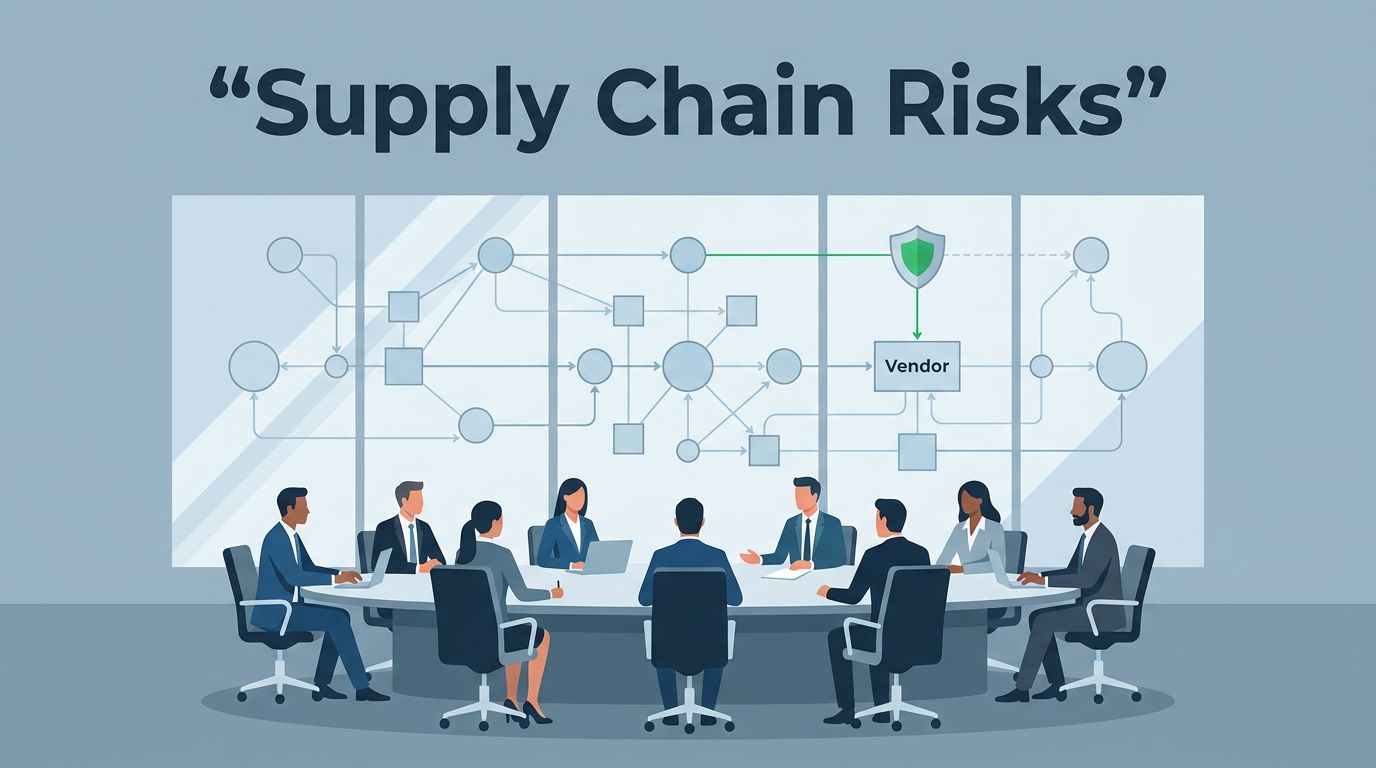
Supply chain cyber risks span first-party vendors and fourth-tier suppliers you never see. Software providers embed flaws; logistics firms leak data. Interdependencies make isolation tough.

This image captures the web of connections. One node fails, and ripples spread fast. For instance, the MOVEit file transfer breach in 2023 affected millions through a single vendor. Companies paid millions in remediation.
Start board training with a baseline assessment. Survey members on their knowledge of key vendors. Identify “crown jewels,” like suppliers handling customer data. This reveals blind spots early.
Management should classify vendors by impact. High-risk ones get deeper scrutiny. Boards then review maps of these relationships quarterly. Ask: Which suppliers access our core systems? How do we monitor their security?
Frameworks like NIST help. They outline steps for third-party assessments. Tie this to your overall risk plan. Result? You see the big picture and prioritize effectively.
Practical Training Methods That Stick
Boards learn best through targeted sessions, not dense lectures. Mix formats to fit busy schedules. Self-paced modules build basics; workshops add visuals.
Tabletop exercises simulate attacks. Participants role-play as CEO or CISO during a vendor breach. They debate detection and response. This reveals decision gaps without real stakes.
For deeper insight, check NACD’s strategies for overseeing supply chain cyber risks. It details third- and fourth-party threats.

Sessions like this build shared understanding. Keep them short, one hour per topic. Use real data: “A vendor hack could cost $10 million and trigger SEC filings.” Relate to your industry.
Annual refreshers matter. Threats evolve, like AI tools in supply chains. Invite experts for credibility. Track progress with post-session surveys. You gain confidence; management gets clear direction.
Core Topics Every Board Session Must Cover
Focus on business impacts over tech details. Start with vendor classification. Not all suppliers equal risk. Prioritize by data access and operational reliance.
Due diligence follows. Review contracts for security clauses. Demand audits and open-source scans. Boards probe: Do we right-to-audit critical vendors?
Incident response ties in. Plans must cover supply chain triggers. Test them cross-functionally. Legal, IT, and procurement align under one playbook.
Emerging risks demand attention. Fourth parties, like a vendor’s cloud host, hide threats. AI amplifies this; weak models leak data. Use NACD’s board oversight tool for third-party cyber risk for targeted questions.
Examples ground it. The Kaseya attack in 2021 chained through managed service providers. Hundreds paid ransoms. Discuss: How would we detect this? What metrics track recovery time?
Governance structures accountability. Assign owners, like a vendor risk committee. Boards receive dashboards, not just reports. This ensures sustained focus.
Questions and Metrics to Test Preparedness
Strong oversight uses pointed questions. They force clarity from management. Here are essentials:
- Is supply chain risk integrated into our enterprise risk register?
- How do we score and tier vendors for cyber exposure?
- What controls cover fourth-party access to our systems?
- Have we simulated a vendor ransomware event this year?
Metrics quantify readiness. Track vendor audit completion rates. Measure mean time to detect breaches. Aim for under 24 hours.
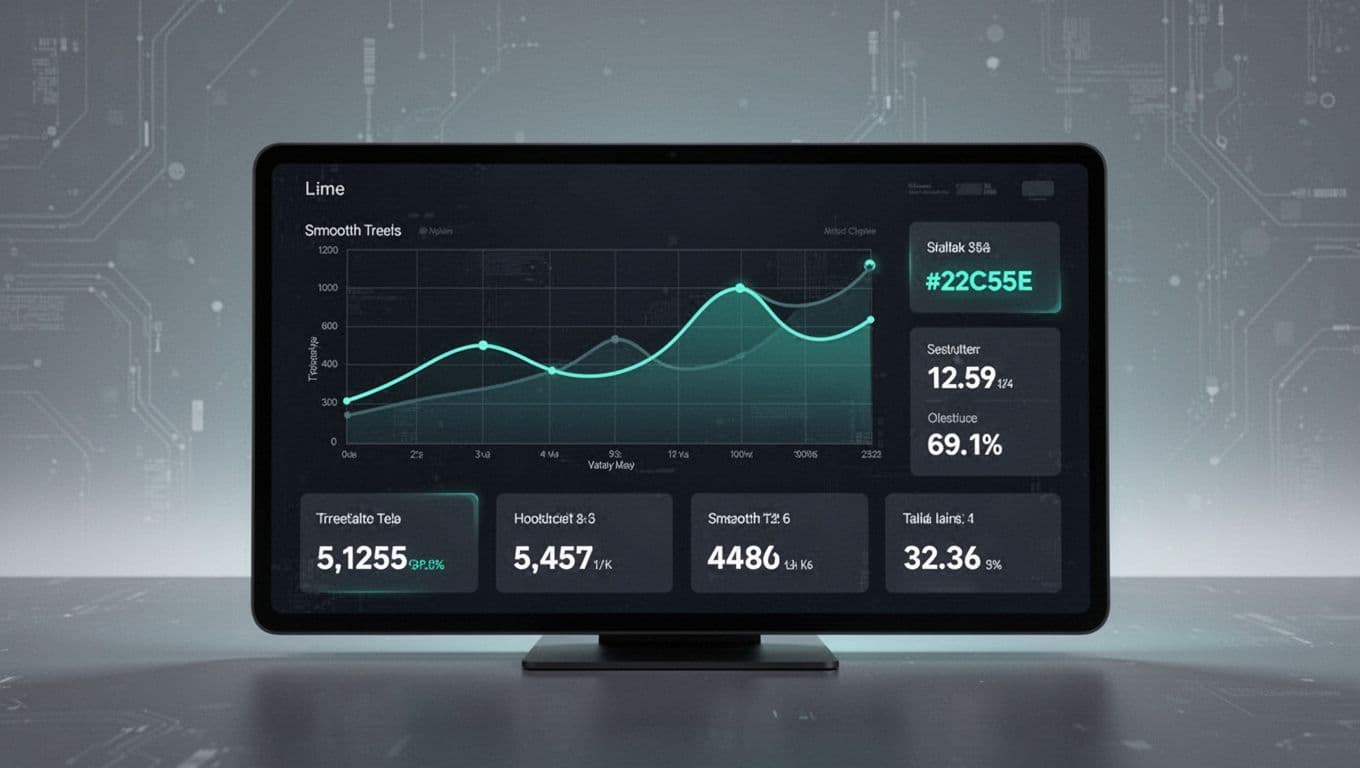
Dashboards like this make data digestible. After reviews, summarize: 90% of high-risk vendors audited, but fourth-party coverage lags at 60%. Set improvement targets.
Frameworks guide reporting. NIST or FAIR convert risks to dollars. Boards review trends quarterly. If scores slip, demand action plans. This builds resilience.
Conclusion
Supply chain cyber risks threaten operations and reputations, but trained boards turn oversight into strength. You now have methods, topics, questions, and metrics to lead effectively.
Focus on ongoing sessions and real metrics. Your role ensures cross-functional alignment and preparedness. Solid governance protects the business and limits liability.
Ready to assess your setup? Book a Discovery Call with Bud Consulting for tailored advice.