table of contents
Most teams have a plan. Fewer have tested it with the right people in the room. That gap gets expensive fast when ransomware hits, a power outage spreads, or a patient surge strains operations.
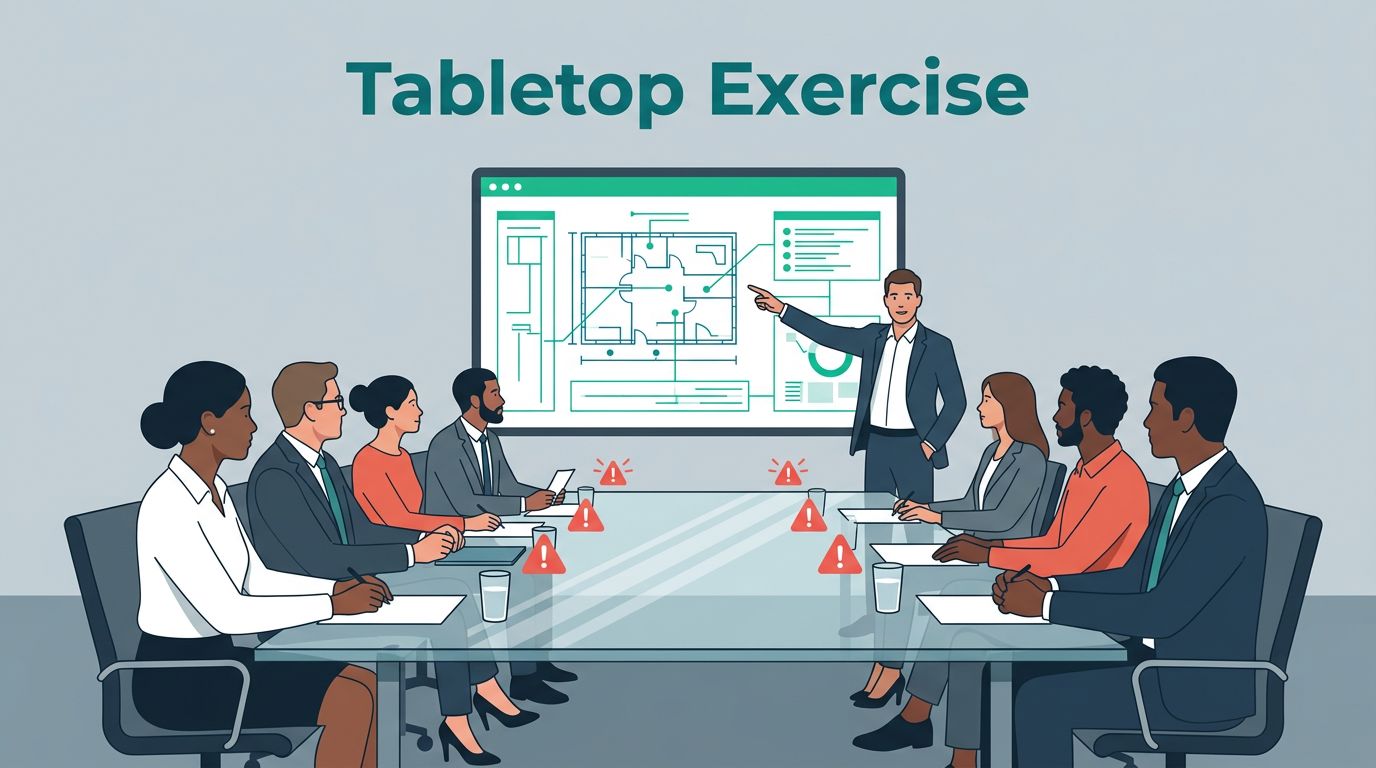
A tabletop exercise consultant helps turn a paper plan into a real test. The right facilitator keeps the discussion honest, surfaces weak points, and helps leaders make hard calls before a real event forces them to.
If you’re thinking about booking one, the real value shows up in the details, how the exercise is run, what gets uncovered, and what happens after the session ends.
Why an Outside Facilitator Changes the Result
Internal teams know the plan, but they also know the shortcuts. That familiarity can hide weak spots. An outside facilitator asks the awkward questions, pauses when decisions get fuzzy, and keeps senior leaders from smoothing over the hard parts.
That matters in executive sessions. Roles blur, approval paths slow down, and people assume someone else owns the next move. Forrester’s guidance on executive tabletop exercises points to common wins like finding process gaps, unclear ownership, and role confusion. Those are the problems you want to see in a safe setting.

A good tabletop exercise should expose weak spots before a real event does.
A strong consultant also keeps the session practical. That means realistic injects, clear timing, and a debrief that turns talk into action. When the meeting ends, you should leave with documented gaps, a clearer sense of readiness, and an after-action plan people can own.
Scenarios Where a Consultant Makes a Difference
The best exercises mirror the risks you actually face. A consultant can shape the scenario around the pressure points that interrupt work, then pull in the right leaders at the right time.
Cybersecurity incidents and business continuity
For security leaders, that often means ransomware, account takeover, data theft, or a critical outage. A cybersecurity tabletop exercise guide from Sophos shows how useful these sessions are when teams need to practice decisions, not just review checklists.
A consultant can also layer in business continuity issues, like a supplier failure, a lost cloud region, or a regional storm that knocks out operations. In those moments, the key questions are simple. Who decides first? Who talks to staff? What work stops, and what keeps running?
Healthcare and crisis communications
Healthcare teams face a different kind of pressure. Patient safety, staffing, regulatory notice, and family communication can all move at once. Resources like SDAHO’s healthcare emergency and crisis planning tabletop exercise show how much value comes from cross-team planning in that setting.
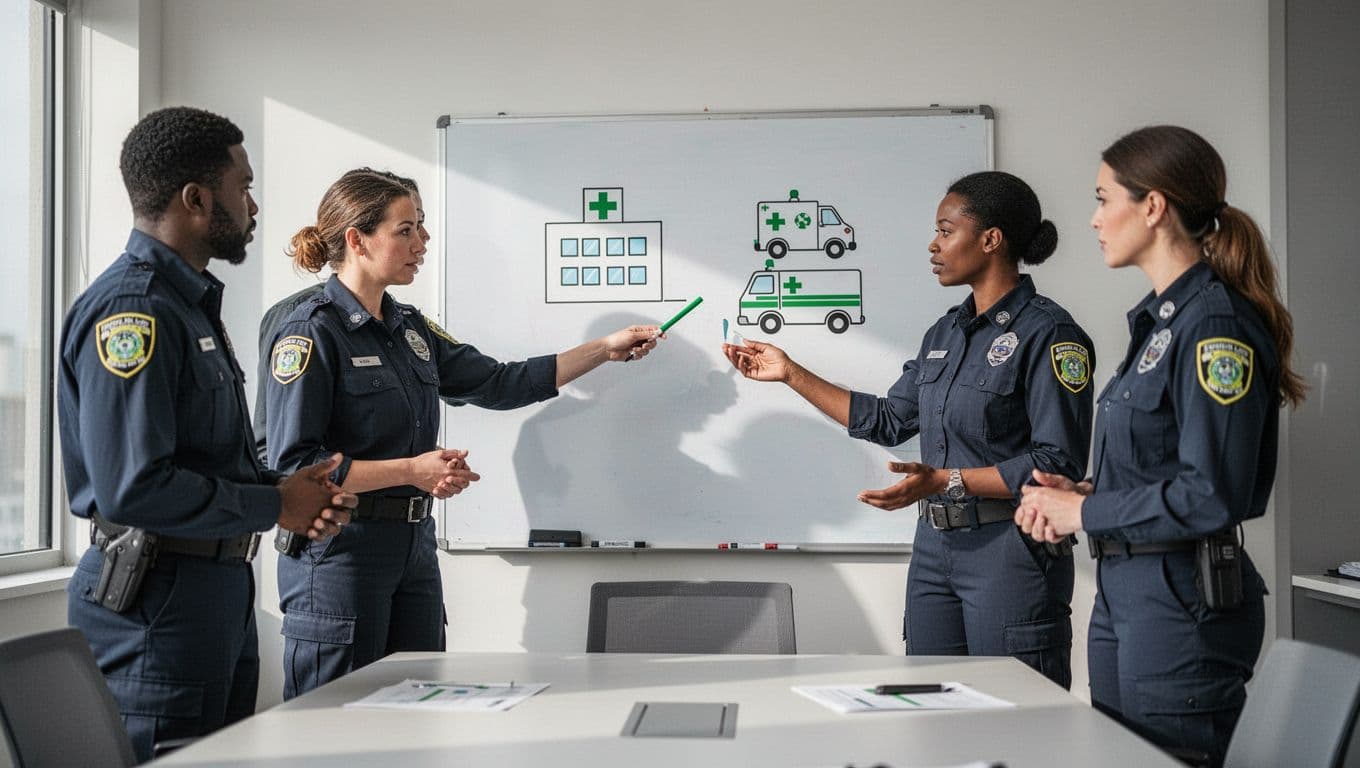
A consultant can build a scenario around a patient surge, a medication shortage, or a local public health event. They can also test crisis communications at the same time. If the first press question lands before internal facts are clear, the message can split fast. Public sector teams can use the same format for shelter openings, service outages, or community alerts.
What to Ask Before You Hire
Once you know the scenario type, the next step is choosing the right consultant. You want someone who can plan the exercise, facilitate the room, and turn the debrief into work you can use.
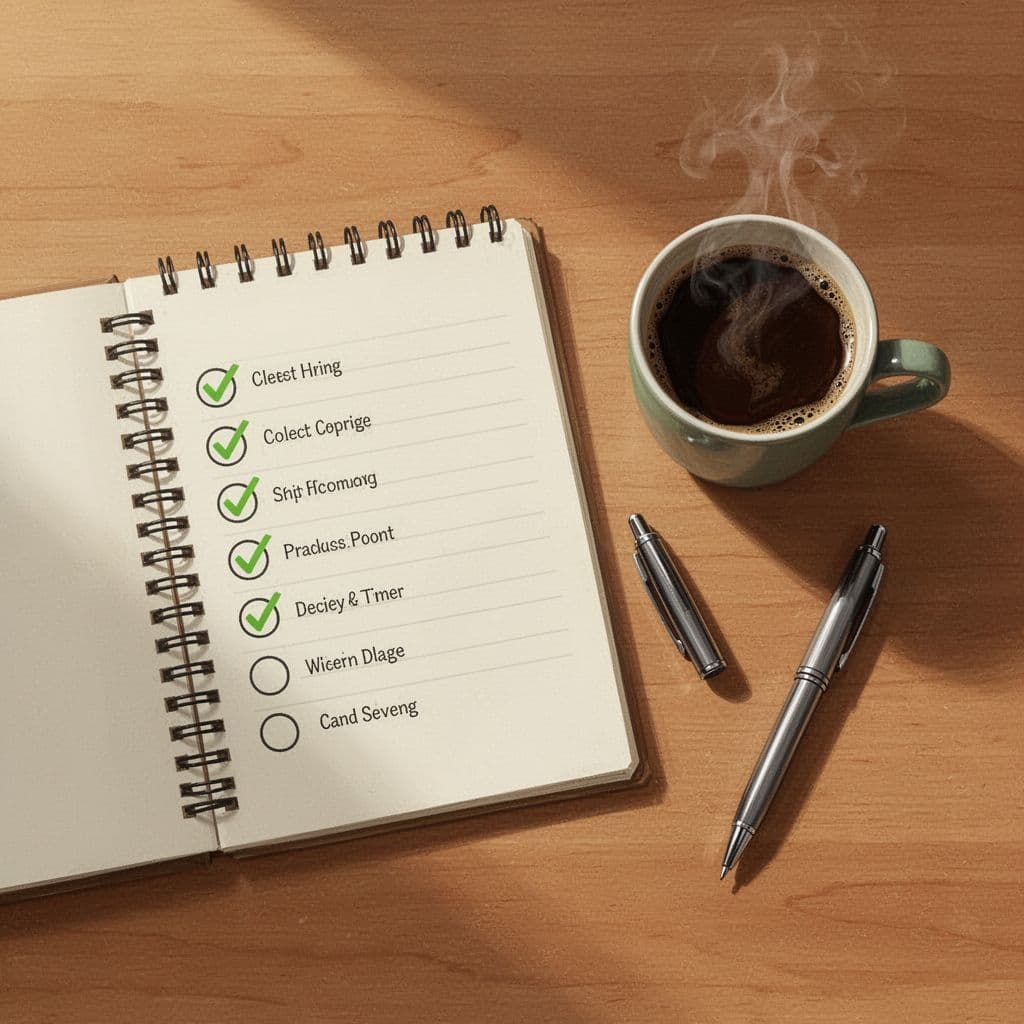
Use a short checklist before you book the session:
- Have they run tabletop exercises in your industry before?
- Can they adapt the scenario for cybersecurity, continuity, healthcare, or crisis comms?
- Will they document observations and turn them into an after-action improvement plan?
- Can they brief executives without losing the technical details?
- Do they help you assign owners, dates, and follow-up tasks?
Those questions matter because the best outcomes are concrete. You want better readiness, faster gap identification, cleaner documentation, and a plan that survives the meeting. If your team needs help shaping the scenario or the debrief, Book a Discovery Call with Bud Consulting and compare the fit before the next exercise.
The right consultant makes the room more useful. They help your team test decisions, spot gaps, and leave with a clear path forward. That is the real value of booking a tabletop exercise consultant, especially when the next crisis won’t wait for a second chance.