table of contents
Would you buy a car because the seller sounds smart? Hiring technical talent on charm alone works the same way.
If you lack technical knowledge to test candidates, it’s easy to reward confidence, jargon, and polished resumes. A better technical candidate assessment turns the role into clear signals, shared scoring, and targeted help from technical reviewers. That shift starts before the first interview.
Why guesswork leads to bad hires
Non-technical teams often make one of three mistakes. They ask generic questions, trust one strong personality, or use a hard test that doesn’t match the job.
All three create noise. A cloud security architect shouldn’t face the same screen as a front-end engineer. Even within security, an IAM specialist and a red-team lead need different proof.
Resumes also hide context. Someone may list AWS, Python, or Kubernetes, yet have mostly followed a team playbook. Ask what they owned, what they decided, and what changed because of their work.
You don’t need to code, but you do need the basics. Dice shares practical advice for non-tech recruiters assessing tech skills. Ten minutes of prep can save weeks of poor interviews.
The goal isn’t to sound technical. It’s to know what good evidence looks like, and what weak evidence sounds like.
Build a scorecard before the first call
Start with a scorecard, not a resume pile. A scorecard is a simple rubric, or scoring guide, that tells every interviewer what to look for.
Write down three to five things the person must do well in the role. Keep them tied to real work, not long wish lists. For a DevSecOps hire, that might include pipeline security, risk judgment, and cross-team communication. For a senior engineer, it may include system design, debugging, and mentoring.
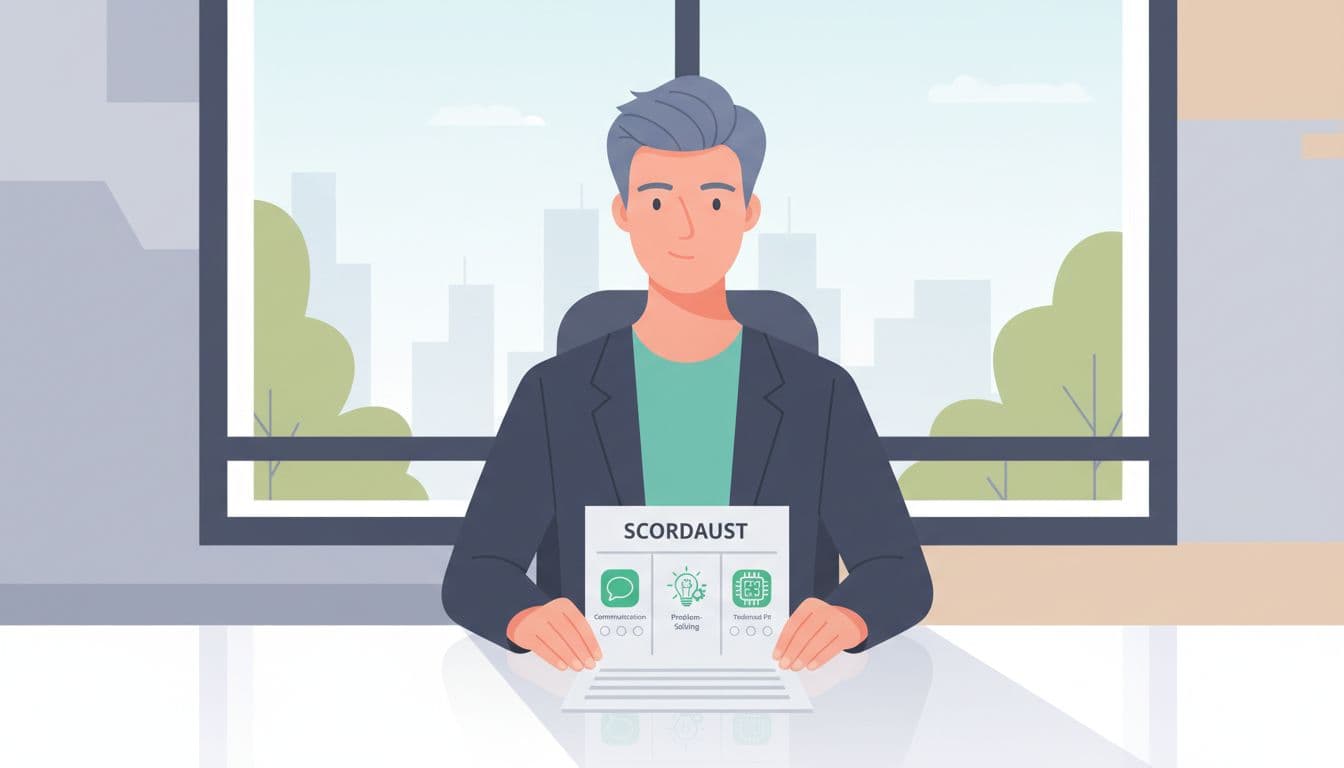
Separate must-haves from learn-on-the-job skills. That one move opens stronger talent pools and cuts needless rejection. Then choose rating anchors. A 4 should mean “can do this with little help.” A 2 should mean “shows partial ability but needs support.”
- Problem-solving in situations that match the job.
- Technical judgment, or how the candidate weighs trade-offs.
- Communication, especially how clearly they explain choices.
- Delivery, shown through past projects, scope, and results.
If a skill isn’t on the scorecard, it shouldn’t decide the hire.
This is the core of a fair technical candidate assessment. It replaces hunches with shared evidence.
Split the job between business and technical reviewers
You still need technical depth, but not at every minute. Bring in an engineer, architect, or outside specialist to judge depth after the first fit screen.
Before interviews, agree on roles. The recruiter can check motivation, scope, pay, and communication. The technical interviewer can test judgment, hands-on knowledge, and claims on the resume. Expert Hire explains how to evaluate engineering talent without wasting developer time.
Meet for 15 minutes before the loop. Review the scorecard, the questions, and what a strong answer sounds like. That small step keeps people aligned and stops duplicate interviews.

A simple split of ownership keeps the process clear:
| Stage | Lead | Main goal |
|---|---|---|
| Intro screen | recruiter or manager | role fit, motivation, communication |
| Technical review | engineer or consultant | depth, trade-offs, real examples |
| Final panel | mixed group | team fit, scope, decision clarity |
After each interview, collect written notes before the group talks. That rule cuts groupthink and makes feedback easier to compare.
Use structured interviews and real work samples
Unplanned interviews reward the best storyteller. Structured interviews reward the best match.
Ask each candidate the same core questions in the same order. Then score answers against the same rubric. If you need a template, this structured interview guide for hiring managers gives a practical starting point.
Next, use short work samples that mirror the job. Skip brainteasers and huge take-home projects. Keep samples short, paid when possible, and respectful of the candidate’s time.
A cloud security candidate can review a weak architecture diagram. An AppSec candidate can explain how they’d spot risk in a release process. An engineering manager can talk through a team trade-off.
Listen for how they think. Strong candidates explain choices, risks, and limits in plain language. That matters because technical people often need to explain hard ideas to non-technical teams.
Reduce bias before you compare finalists
Bias enters when criteria change from person to person. It also shows up when one flashy trait hides weak evidence elsewhere.
Set the pass bar before interviews start. Decide what is a must-have, what can be learned, and what is only nice to have. Use the same interview panel where you can, because changing interviewers for only some candidates makes scores harder to compare.
Watch for warning signs that map to the job. Vague project stories, credit without detail, weak listening, or blame-heavy answers often predict trouble. On the other hand, don’t reject someone because they use different tools if they show solid judgment and can learn fast.
The best hiring teams compare proof, not personality.
You don’t need to be the smartest technical person in the room. You need a technical candidate assessment that is clear, shared, and tied to real work.
Before your next hire, build the scorecard first. Then decide who tests depth, who checks fit, and how each answer gets scored.
That’s how you stop hiring on confidence and start hiring on evidence.