table of contents
Ever finish a tech interview and still have no idea what the company was judging? That confusion is common, especially when the technical hiring process feels like a secret script everyone else has read.
If you’re changing careers, applying for your first developer job, or exploring security roles, the process can seem random. It isn’t. Most companies follow the same basic path, even if they use different names or add extra steps.
Once you understand what each round is trying to learn, the whole thing gets easier to read.
What the technical hiring process is really checking
A lot of candidates think every round is there to catch mistakes. In most cases, companies want something simpler. They want proof that you can do the work, learn fast, and explain your thinking clearly.
This is the basic shape many teams use, and this common 2026 interview structure lines up with what most candidates see:
| Stage | What it means in plain English | What they want to learn |
|---|---|---|
| Recruiter screen | A short chat with recruiting or HR | Interest, salary fit, communication |
| Technical screen | A call with an engineer or hiring manager | Basic knowledge and problem-solving |
| Coding challenge or take-home | A timed task or short project | How you write and think through code |
| Deep dive or system design | A bigger discussion about building software | Architecture, trade-offs, practical judgment |
| Behavioral round | Questions about past work | Teamwork, ownership, and decision-making |
Some terms sound scarier than they are. A coding challenge is simply a task where you solve a problem in code. A take-home is a small project you do on your own time. Pair programming means solving something with the interviewer while talking through your choices. System design means explaining how you’d build a larger feature, not only one small function.
Security roles often tweak this process. For example, an AppSec candidate may review insecure code. An IAM candidate may talk through access rules. An offensive security role may use a scenario about testing, reporting, and risk.
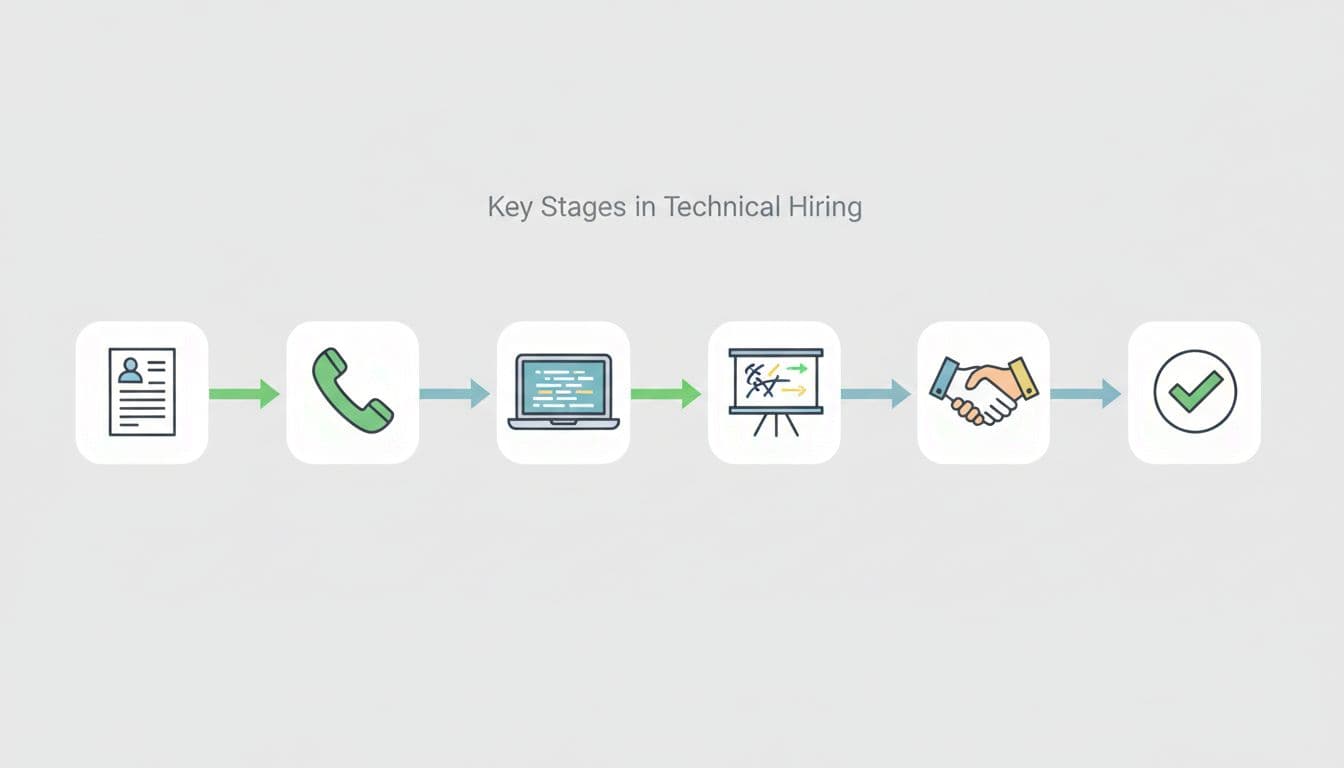
The biggest shift is this: each round is a filter for a different kind of signal. One round checks fit. Another checks skill. Another checks how you work with people. When you see it that way, the process feels less like a trap and more like a series of small tests.
How to prepare for each stage without burning out
Strong prep starts with matching your practice to the round in front of you. Too many candidates study everything at once, then feel scattered.
For the recruiter screen, focus on clarity. Be ready to explain who you are, why this role fits, and what you’ve worked on. Keep it simple. If you’re switching careers, tell a short story that connects your past work to this job.
For a coding round, don’t only practice solving problems. Practice speaking while you solve. Interviewers often care as much about your thought process as your final answer. If you freeze, say what you know, name your assumption, and ask a clarifying question. Silence feels longer to you than it does to them.
A few prep habits work better than endless cramming:
- Study the job description: Turn each main requirement into one example from school, work, or a project.
- Practice out loud: Explain your steps as if someone is beside you.
- Time-box take-homes: If a task should take two hours, don’t spend eight unless the company agrees.
- Review the basics first: Data types, APIs, debugging, version control, and testing matter more than fancy tricks.
If you don’t know the answer, show how you’d approach it. Good interviewers score reasoning, not mind-reading.
Behavioral rounds also matter more than people expect. These are the questions about conflict, mistakes, deadlines, and teamwork. Use a simple structure: situation, task, action, result. You don’t need a polished speech. You need a clear story.
Here’s a realistic example. A junior developer gets asked about a bug that broke a feature. A weak answer says, “I fixed it.” A stronger answer says, “I traced the error to bad input handling, wrote a test, fixed the validation, and told the team what caused it.” Same event, better signal.
If you want a better sense of how expectations change by seniority, this field guide by level shows why the same question sounds different for junior and senior roles.
Why startups, big companies, and different roles feel so different
Not every company runs the same technical hiring process. That doesn’t mean you’re missing something. It means the company is hiring for its own pace, team size, and risk level.
A startup often moves faster. You may speak with a founder, do one technical round, and get a decision quickly. A large company usually has more structure. That can mean more interviews, clearer scorecards, and separate rounds for coding, design, and behavior. MIT Sloan’s breakdown of startup vs established interviews explains why those differences show up so often.
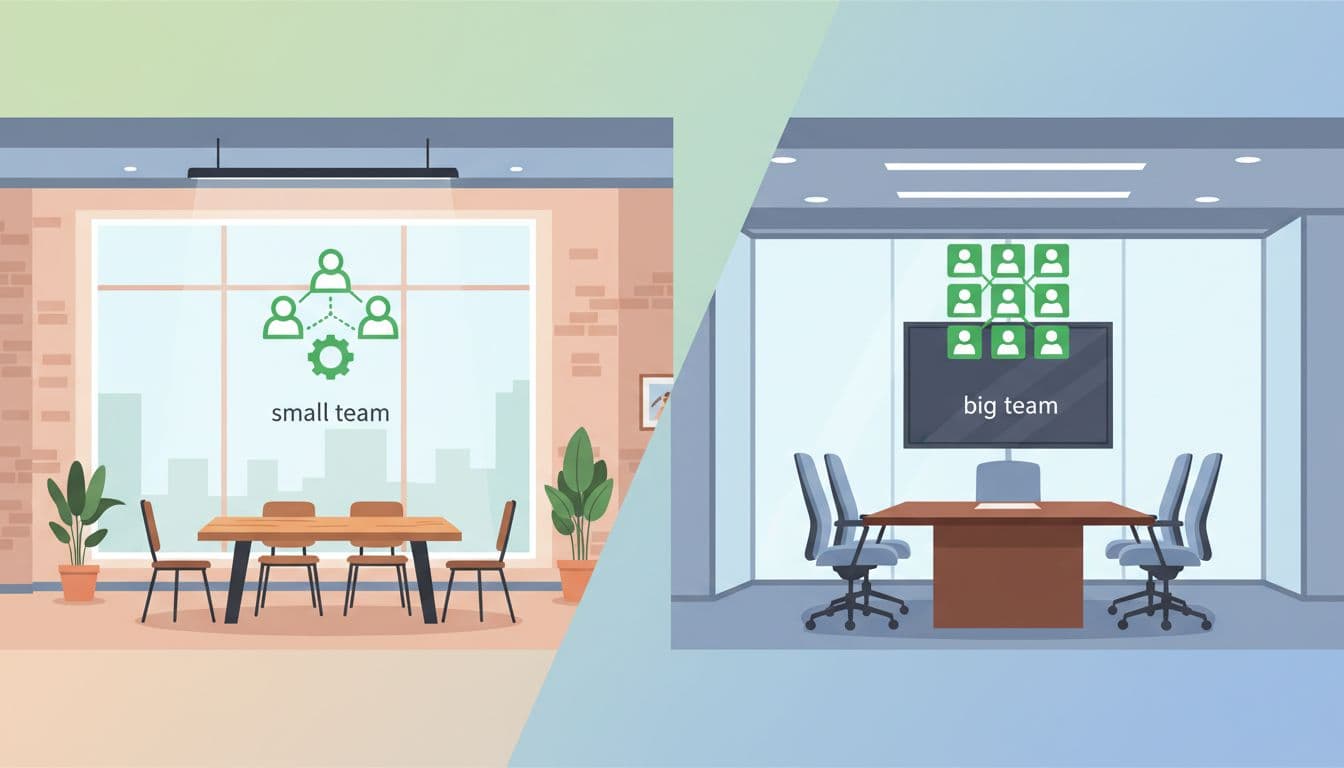
Role type changes things too. A front-end role may include UI work and browser debugging. A back-end role may focus on APIs, data flow, and performance. Meanwhile, security jobs often test judgment as much as technical skill. You may get questions about threat modeling, logging, access control, or incident response.
Company size shapes the style, while role type shapes the content. That’s why a startup security engineer interview can feel different from an enterprise software engineer loop. If you’re interviewing with smaller teams, this startup hiring framework gives a useful picture of how lean processes work.
When the format feels unclear, ask for details before the interview. Ask how many rounds there are, who you’ll meet, whether there’s a live exercise, and what success looks like. Good recruiters usually answer. If they don’t, that’s useful information too.
The process feels mysterious when every round looks the same. It gets easier when you translate each step into one plain question: what is this company trying to learn about me?
That shift brings clarity, and clarity lowers stress. Before your next interview, ask for the format, practice out loud, and prepare one solid story for each major skill the role needs.
Then walk in knowing the rules of the room, not guessing at them.