table of contents
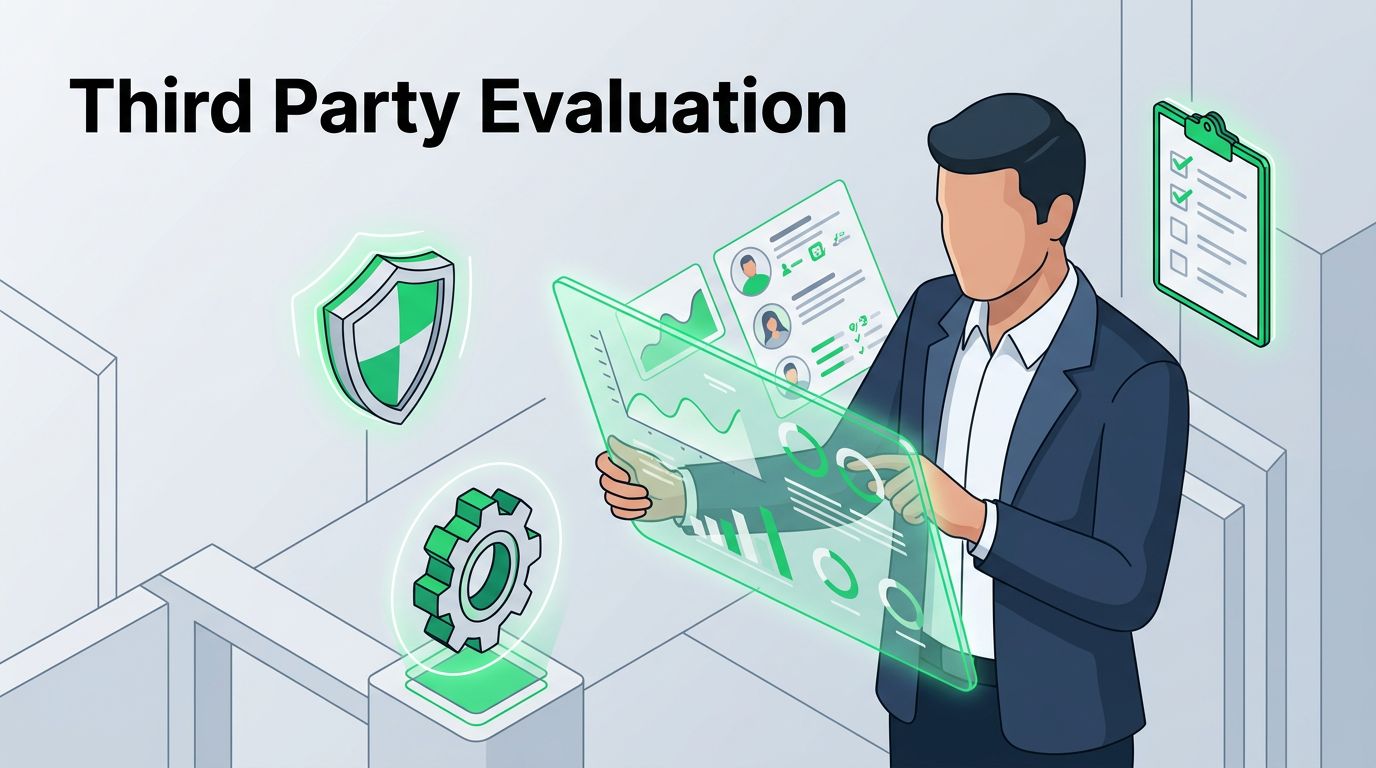
You face tough calls when picking vendors. Vendor pitches sound great, but they often gloss over risks. Third party evaluations cut through the hype with unbiased facts.
These assessments come from independent experts. They help you spot strengths and weaknesses before you commit. In high-stakes areas like cybersecurity, they prevent costly mistakes.
Let’s break down how they work and why you need them.
What Makes Third Party Evaluations Essential
Third party evaluations provide a clear, outside view. Vendors focus on sales. Independent evaluators check claims against reality. They test products, review processes, and score performance.
Consider procurement. You need a supplier for critical software. The vendor promises top security. But does it hold up? A third party runs penetration tests and audits code. Results show gaps you might miss.
Transparency drives value here. Good evaluations detail methods used. They list tests, standards followed, and data sources. This lets you verify findings yourself.
Independence matters most. Evaluators with no financial ties to the vendor avoid bias. They disclose any potential conflicts upfront. As a result, you trust the output.
Practical decisions follow. Use scores to compare options. Rank vendors on key needs like compliance or scalability. This approach saves time and reduces regret.
Key Benefits in Vendor Selection Processes
Third party evaluations streamline choices. They replace gut feelings with data. Buyers gain leverage in negotiations too.
Take cost savings. Evaluations reveal hidden fees or weak support. One company switched vendors after a review exposed poor uptime. They cut downtime by 40 percent.
Compliance teams love them. Regulations demand proof of vendor reliability. Evaluations map controls to standards like SOC 2 or ISO 27001. No more chasing vendor promises.
For vendor selection steps, check Ivalua’s guide on criteria and checklists. It outlines how to build structured processes.
Risk drops significantly. Breaches often start with weak third parties. Evaluations flag vulnerabilities early. Organizations avoid fines and reputational hits.
Decision-makers report faster onboarding. With solid data, teams align quickly. No endless debates. Instead, focus shifts to implementation.
Spotting Reliable Third Party Evaluations
Not all evaluations equal quality. Look for proven signs of trustworthiness first.
Start with accreditation. Bodies like ANSI or UKAS certify evaluators. Accredited firms follow strict standards. Their reports hold weight in audits.
Methodology transparency ranks next. Does the report explain tests? Seek details on sample sizes, tools, and pass-fail criteria. Vague summaries signal trouble.
Conflict safeguards protect objectivity. Ask if the evaluator has vendor ties. Reputable ones publish policies on independence. They recuse if conflicts arise.

This balance shows the core idea. Vendor materials weigh against verified reports.
When reviewing, ask these questions:
- What standards guide your work?
- Can you share past reports for similar vendors?
- How do you handle potential biases?
For AI vendors, ARDURA Consulting’s checklist offers a scoring matrix. Adapt it to your needs.
Choose evaluators with track records. Client testimonials and case studies prove real-world impact. Avoid one-off reviews. Opt for ongoing monitoring where possible.
Third Party Evaluations in Cybersecurity Vendor Picks
Cybersecurity demands extra scrutiny. Threats evolve fast. Vendor weaknesses expose your entire network.
Evaluations here test defenses rigorously. They simulate attacks, scan for vulnerabilities, and check patch management. Results predict real risks.
One example: Selecting a cloud security provider. Vendor demos impress. But a third party uncovers unpatched flaws. You dodge a breach.
Security ratings simplify this. Firms like BitSight provide ongoing scores. See their take on vendor criteria. It highlights data risks from third parties.

Decision-makers rely on these reviews daily.
SecurityScorecard lists 10 key criteria. Include endpoint protection and incident response in your checks.
Bud Consulting helps here. They source vetted cybersecurity talent and validate defenses. Book a Discovery Call with Bud Consulting to discuss your vendor needs.
In energy or SaaS, evaluations prevent outages. Serverless Solutions covers vendor picks for energy firms. Losses mount fast without them.
Questions to Ask Before Committing
Actionable steps guide your process. Always request full reports. Probe depth.
Does the evaluation cover your use case? Generic ones fall short. Tailored assessments fit better.
Verify recency. Tech changes quick. Stale data misleads.
Cross-check with multiple sources. One evaluation confirms trends from others.
For enterprise software, Umbrex details final decision governance. It stresses resolving risks upfront.
These habits build confidence. You select partners that deliver.
Third party evaluations empower smart choices. They expose truths vendors hide. Use them to cut risks and boost outcomes.
Prioritize accredited sources with clear methods. In cybersecurity, they protect most.
Ready to strengthen your process? Start with one evaluation on your next vendor shortlist. What risks will you uncover first?
(Word count: 978)