table of contents
Vendor risk is no longer a side task. It now touches cybersecurity, privacy, AI use, and contract risk all at once. If your team still treats third-party reviews like an annual checkbox, the gap will show up fast.
A strong third-party risk analyst helps you spot weak vendors before they become expensive problems. The right hire can save time, improve controls, and give leaders clearer answers when regulators or auditors ask hard questions.
What a third-party risk analyst actually does
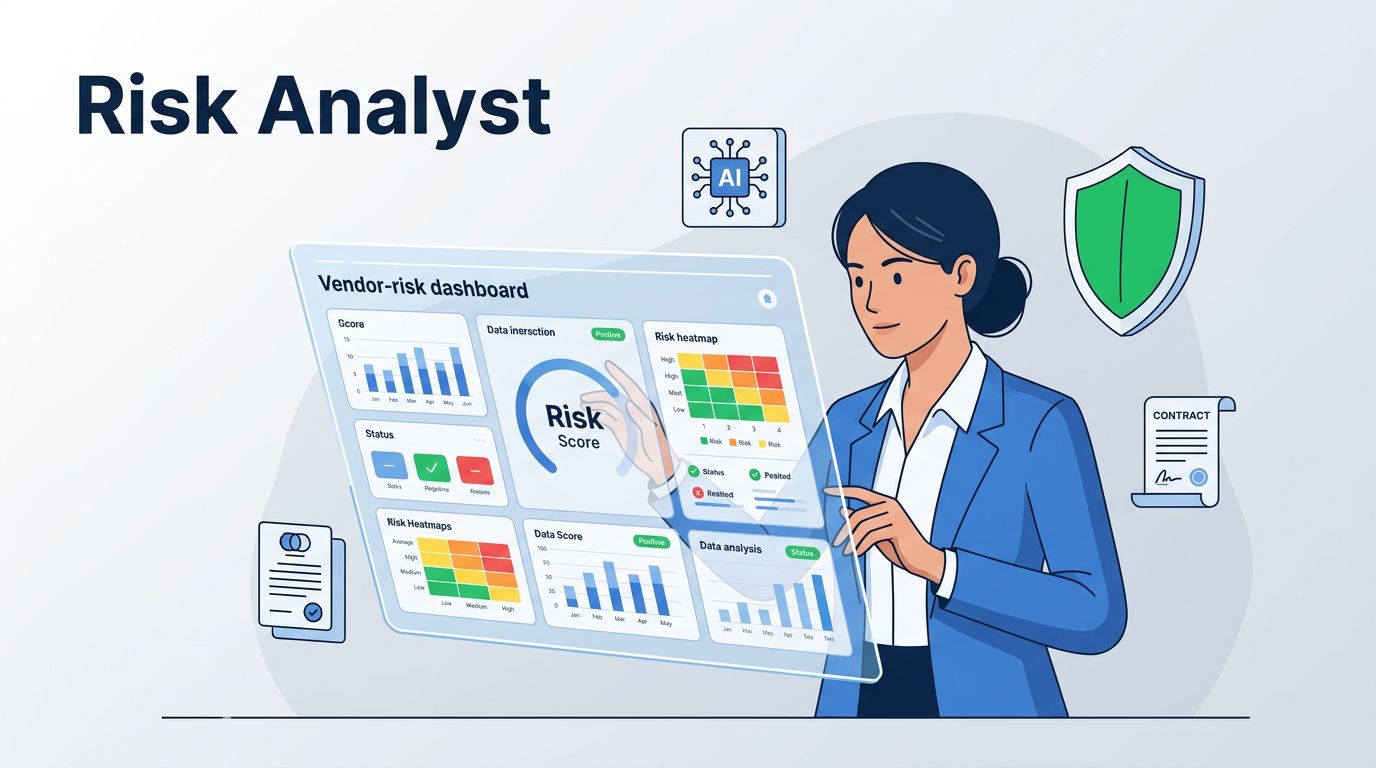
A third-party risk analyst checks how outside vendors handle your data, systems, and business processes. That work starts before a contract is signed, then continues through the vendor life cycle.
They review due diligence materials, such as security questionnaires, SOC 2 reports, privacy terms, and incident history. They also help classify vendor risk, track remediation, and keep an eye on changes after onboarding.
In 2026, the job goes further. Analysts now need to ask whether a vendor uses AI, what data feeds it, and how that data is protected. They also need to understand sub-vendors, cloud dependencies, and shared services.

If a vendor touches sensitive data or critical operations, the analyst becomes a control point, not a paperwork reviewer.
When your team should hire one
Some companies wait too long. Others hire after a breach, audit finding, or contract dispute. That usually means the risk is already visible.
You probably need a third-party risk analyst if:
- Your vendor list keeps growing and reviews are falling behind.
- Your business handles personal, financial, or health data.
- Procurement and security keep asking the same questions.
- You use cloud, SaaS, or AI vendors that can affect operations.
- Regulators, customers, or partners expect formal vendor oversight.
If one person on your team owns too much of this work, burnout follows. A dedicated analyst gives the process structure and consistency. They also create a better handoff between procurement, legal, security, and compliance.
Skills that separate strong candidates from paper experts
A polished resume helps, but it does not tell you if someone can assess real risk. Look for a mix of technical judgment and steady communication.
Technical skills that matter
A good candidate understands security controls, access review, incident response, business continuity, and data handling. They should read a SOC report without getting lost, and they should spot when a vendor’s answers sound vague.
They should also know how to work with common frameworks. That includes NIST, ISO 27001, SOC reporting, and third-party risk methods used in regulated industries. If they understand privacy reviews and AI vendor oversight, that’s a strong sign they can grow with the role.
Soft skills that matter just as much
The best analysts are patient, curious, and firm without being rigid. They need to push back on weak answers, but they also need to keep vendor relationships workable.
They should explain risk in plain language. A procurement lead does not need a security lecture. A business owner needs a clear answer on impact, urgency, and next steps.
Frameworks and regulations to test for
Your hire does not need to know every regulation from memory. Still, they should understand the rules that shape vendor oversight in your sector.
For a broad 2026 view of the field, this third-party risk management framework guide gives a useful baseline. If you operate in EU financial services, DORA third-party risk management guidance matters because it tightens expectations around ICT vendors and ongoing oversight. In U.S. financial services, FINRA’s third-party risk landscape is also worth reviewing.
In banking, insurance, healthcare, and fintech, the analyst should know how these pressures change day to day work. They need to support evidence gathering, contract review, issue tracking, and control testing. They also need to flag when vendor AI use introduces privacy or model risk.
What to include in the job description
A strong job description should say more than “review vendors.” Spell out what success looks like.
Name the main duties clearly. For example, the analyst may assess new vendors, score risk, review contracts, track remediation, and support audits or incident reviews. If the role includes AI vendor checks or privacy reviews, say so up front.
Also include the tools and process level. Will they use a GRC platform, spreadsheets, or both? Do they work with global vendors or only U.S.-based providers? Those details help you attract the right level of candidate.
If you need help shaping the role or finding qualified candidates, Book a Discovery Call with Bud Consulting.
Interview questions that reveal real judgment
Good interview questions make the candidate explain how they think. They should not just recite terms.
Try questions like these:
- How would you assess a vendor that handles customer data but refuses to share a recent SOC report?
- What would you do if procurement wants to approve a vendor before security finishes review?
- How do you decide whether a finding is low, medium, or high risk?
- What questions would you ask a vendor that uses AI to process sensitive data?
- Tell us about a time you had to push back on a business owner.
Listen for structure, not buzzwords. Strong candidates explain tradeoffs, show calm judgment, and know when to escalate. They should also describe how they work across teams without creating friction.

Hiring mistakes that cause bad fits
The biggest mistake is hiring for compliance knowledge alone. That can produce someone who knows the rules but can’t work with the business.
Another mistake is ignoring sector context. A third-party risk analyst for a hospital needs a different lens than one for a fintech firm. Similarly, a global company may need more privacy and cross-border data experience than a local one.
Don’t skip the soft skills screen either. A candidate who freezes during pushback will struggle in a real vendor review. You need someone who can stay clear, firm, and practical under pressure.
A good hire does more than close questionnaires. They help your company see vendor risk early, act faster, and avoid surprises when the stakes are high.
The best hire is part analyst, part translator
The strongest third-party risk analyst brings structure to chaos. They can read a contract, question a vendor, and explain the risk in plain language.
That matters even more in 2026, when vendor risk, AI oversight, and regulatory pressure keep rising. Hire for judgment first, then for framework knowledge, and you’ll get someone who can grow with the job.