table of contents
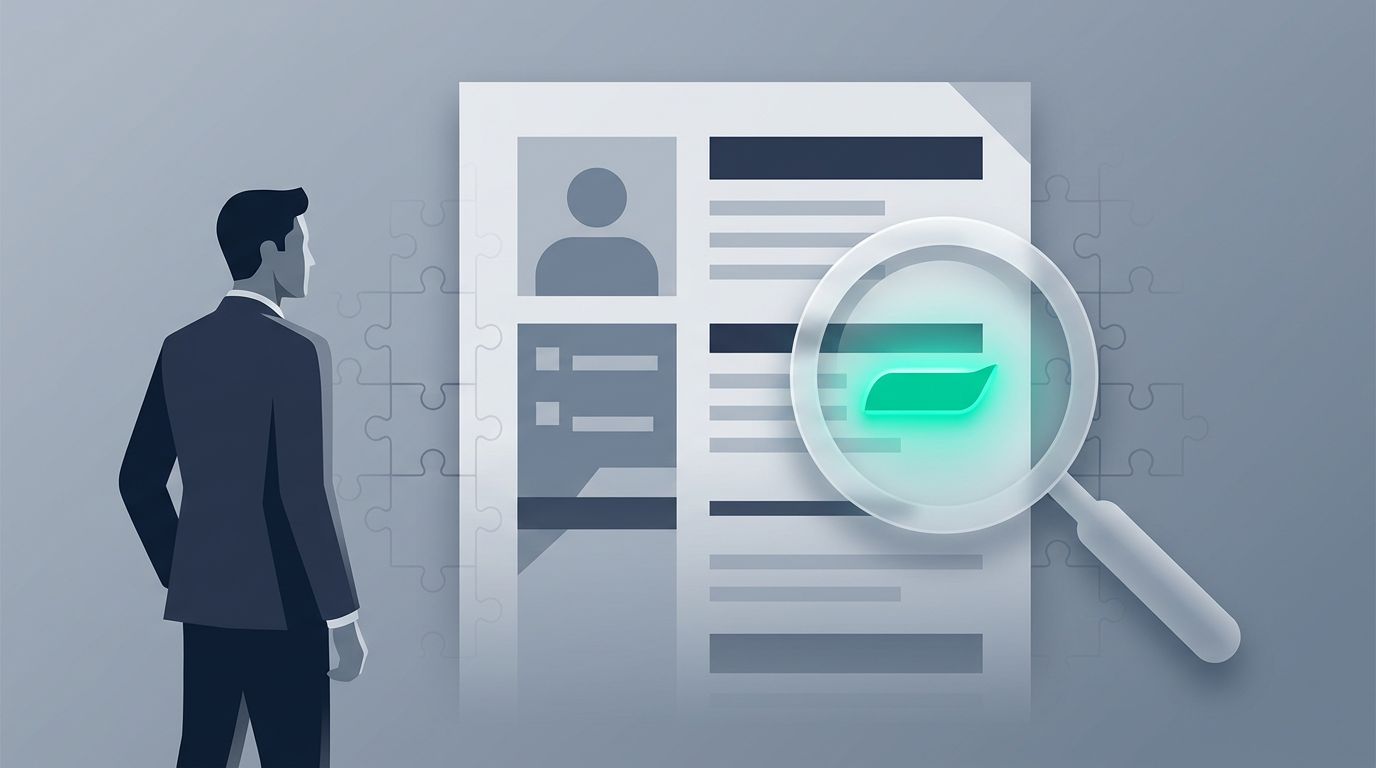
A polished profile can look solid and still tell you almost nothing about how someone works. That’s the core problem with verified skills: they’re harder to spot than claimed skills, especially when resumes, portfolios, and online profiles all sound polished.
For hiring teams, that creates risk. For professionals, it creates friction, because good people get lumped in with great self-promoters. The fix isn’t more guesswork. It’s better evidence, and that’s where the real signal starts.
First, it helps to see why so many skill claims feel convincing at first glance.
Why claimed skills often pass for verified skills
Most hiring problems start with weak evidence. In 2026, resumes and profiles are cleaner than ever, partly because editing tools make every bullet sound sharp. That’s why advice on validating real candidate skills keeps coming back to the same point: polish isn’t proof.
Vague resumes hide more than they show. “Led cloud security improvements” sounds strong, but what changed? Did the person design controls, write policy, or sit in status meetings?
Certifications help, yet they can age fast. A badge from three years ago may show past study, not current skill. That gap matters in fields like IAM, AppSec, and threat detection, where tools and attack paths change fast.
Portfolios can mislead too. A sleek GitHub or slide deck may show team output, not individual contribution. If the story changes from project summary to interview detail, trust drops.
Self-ratings are another weak signal. Many people score themselves high because they use a tool sometimes. Others undersell strong ability. Either way, the number tells you little without context.
This quick comparison shows why hiring teams get stuck:
| Signal | What it shows | What it misses |
|---|---|---|
| Resume bullet | Keywords and scope | Depth and outcomes |
| Certification | Passed an exam once | Current hands-on use |
| Portfolio | Finished artifacts | Authorship and problem-solving |
| Self-rating | Confidence level | Tested performance |
| Job title | Prior environment | Transfer to this role |
The pattern is simple: most hiring materials show exposure, not ability.
Treat resumes as leads, not evidence.
Once you see that difference, skill verification becomes much less mysterious.
A practical way to verify skills before you hire
Verification works best as a chain, not a single test. One weak signal can mislead, but several aligned signals usually tell the truth. That matters even more in technical hiring, where a candidate may speak well about cloud architecture or incident response without being able to apply it under pressure.

- Ask for work samples: Request a short code review, threat model, policy excerpt, incident write-up, or architecture note tied to the role. Keep it job-like and time-boxed.
- Use structured interviews: Ask every finalist the same scenario-based questions. Then probe decisions, trade-offs, and limits. Rehearsed answers fade when details matter.
- Add a skills assessment: Short, role-specific tests can screen basics early. Teams looking at skills-based assessments often use them to reduce guesswork, not replace human judgment.
- Review portfolios for consistency: Check whether the work matches the role. Ask what part they owned, what failed, and what they would change now.
- Validate credentials: Confirm issue dates, standing, and scope with the issuing body or badge record. A valid cert still needs supporting proof.
- Call references with intent: Skip the generic “Would you rehire them?” Ask about one project, one challenge, and one area where the person needed help.
A strong process also respects candidate time. Don’t ask for unpaid weekend projects when a 30-minute case review will do. Score each step against the same rubric, because that keeps strong communicators from outshining stronger operators.
When teams compare these checks with later job performance, the process gets sharper over time. In other words, verified skills come from repeatable evidence, not gut feel.
How professionals can make their skills easier to trust
Strong people often undersell themselves. Meanwhile, polished candidates can sound stronger than they are. The best move is to make proof easy to review.
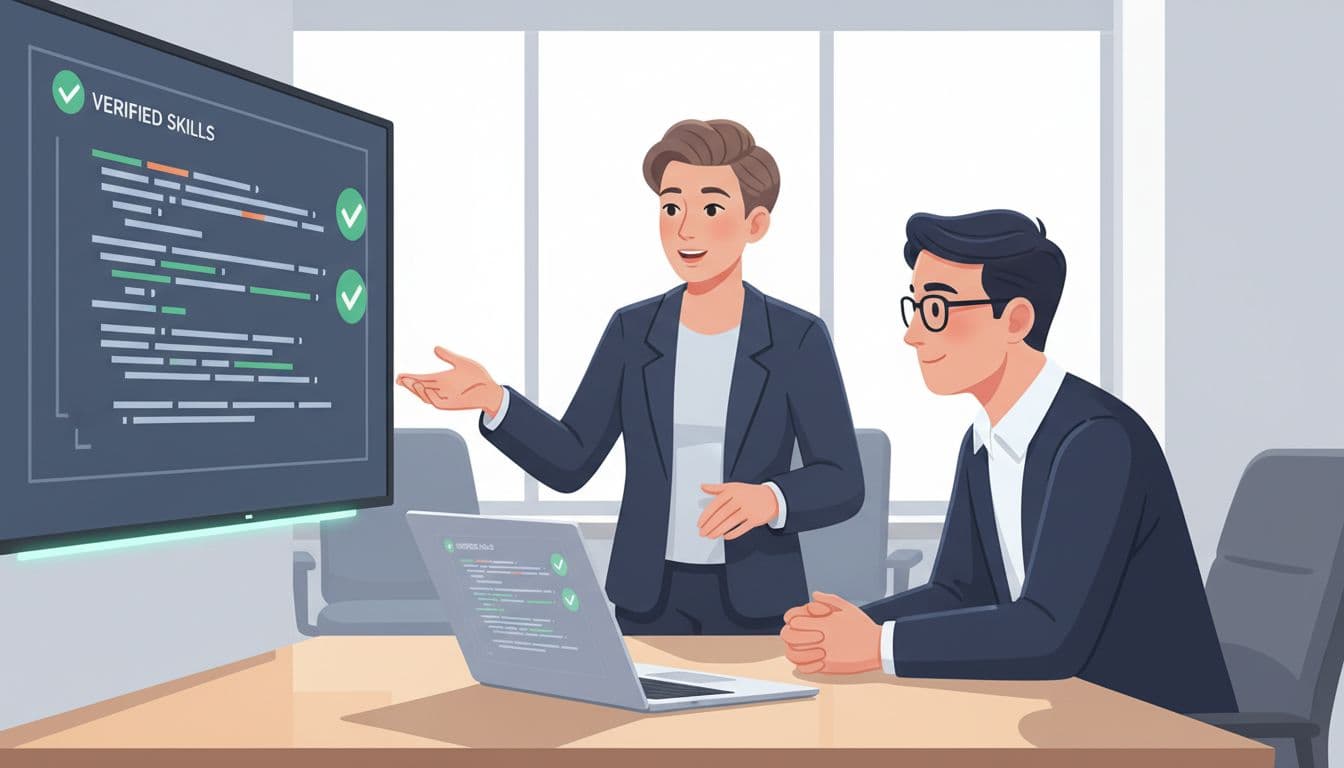
Start with recent work. A one-page case study beats a page of adjectives. Show the problem, your role, the tools you used, the decision you made, and the result. If the work is confidential, anonymize it.
Next, clean up your portfolio. Date the work. Separate solo projects from team projects. If you used AI tools, say how. Honest context builds trust faster than perfect wording.
Then match your proof to the role. A security architect should show design choices. An AppSec engineer should show code review or pipeline work. A people leader should show hiring, coaching, and incident leadership, not only strategy slides.
Certifications still matter, but only when they’re current and relevant. Keep records, badge links, and renewal dates handy. If a cert expired, don’t hide it. Explain what you’ve used since then.
Finally, expect deeper questions. Many firms now use pre-interview skill validation before final interviews, so being ready for role-based tasks helps. That’s good news if your skills are real, because verified skills stand up well when someone asks, “Show me how you did it.”
Skill claims are cheap. Evidence is what earns trust.
For employers, that means using a repeatable process that checks work, context, and current ability. For professionals, it means showing clean proof, recent examples, and honest limits.
If you’re struggling to separate polished stories from verified skills, change the question. Stop asking who sounds ready, and start asking who can show the work.