table of contents
Hiring for security roles involves more than filling a seat. You are trusting someone with your organization’s most sensitive assets, data, and infrastructure. If you engage the wrong recruiting firm, you might end up with candidates who lack the necessary technical depth or, worse, pose a significant risk to your security posture. Before you finalize a contract with a search firm, you must treat them with the same scrutiny you would apply to a major software vendor.
Many organizations fail to look past the surface during the vendor selection phase. A glossy presentation deck or a list of impressive logos doesn’t guarantee quality results in niche fields like application security or cloud architecture. You need a partner that understands the difference between a general IT recruiter and a true security specialist. Taking the time to evaluate their internal processes now will save you from costly hiring mistakes and security gaps later.

Defining Your Agency Evaluation Criteria
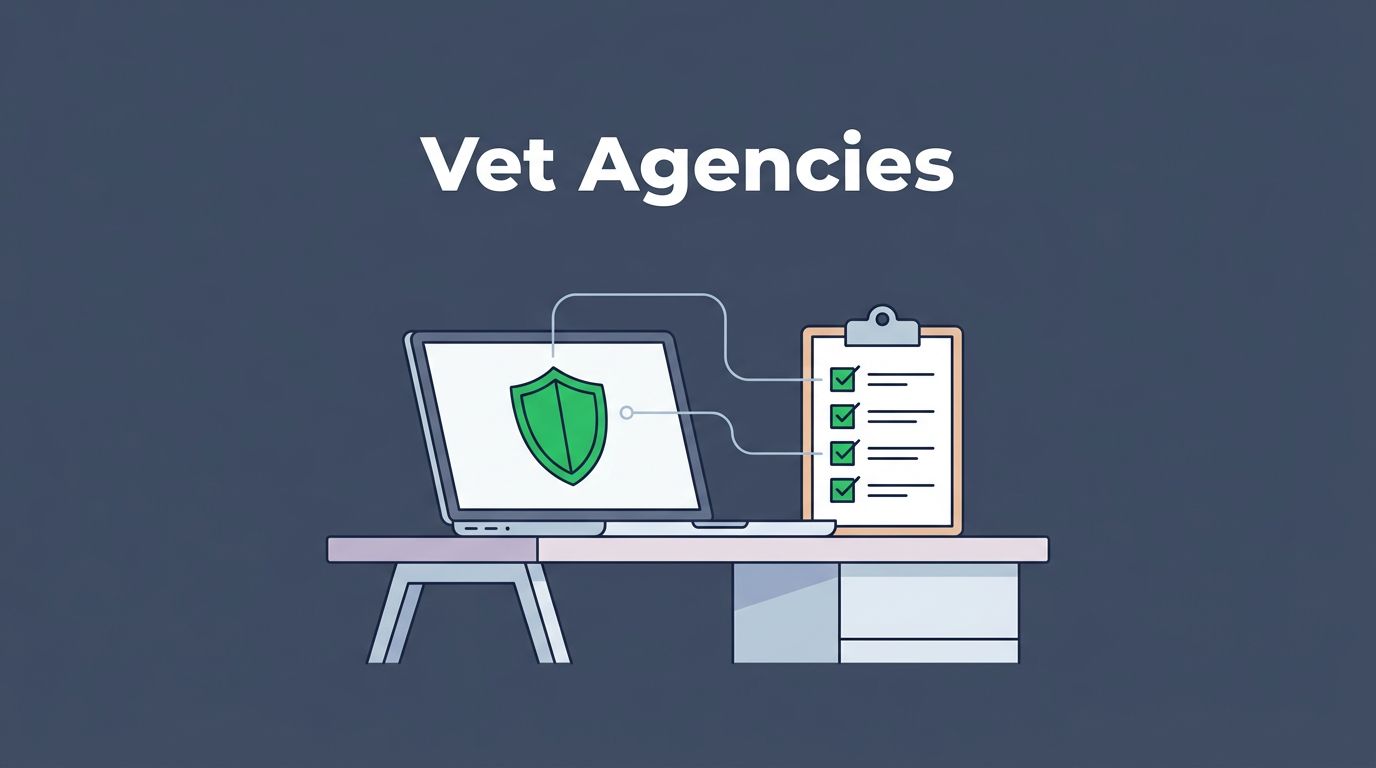
Start by separating high-performing security talent agencies from generalist firms. A firm that specializes in security will have a clear, repeatable process for validating technical claims. If a recruiter struggles to explain the difference between a threat analyst and a firewall engineer, they likely lack the internal expertise to vet candidates effectively. You should ask about their screening methodologies during your initial discussions.
According to advice on evaluating recruitment agencies, the difference between top-tier partners and others often comes down to transparency and rigorous screening. Demand to know if they perform technical assessments rather than relying on keyword matching. An agency worth your time will provide clear evidence of their vetting workflows. If they cannot describe their process, you should consider looking elsewhere.
Consider the following criteria when comparing your options:
| Criterion | What to Look For | Why It Matters |
|---|---|---|
| Technical Fluency | Demonstrated knowledge of specific security domains | Ensures candidates are properly qualified |
| Screening Depth | Hands-on testing or peer review of technical skills | Validates real-world capability over keywords |
| Compliance Rigor | Documented verification of certs and clearances | Protects against compliance and audit failures |
| Replacement Policy | Transparent terms for failed or unsuitable hires | Mitigates financial risk of bad placements |
Use these categories to build a scorecard during your discovery phase. If a firm fails on multiple counts, do not let a low price point distract you. Security is not a place for discount staffing solutions, as the cost of a compromised system far outweighs any savings on recruiting fees.
Probing Their Technical Qualifications
When you hire a cybersecurity search firm, you must verify their actual capability to qualify talent. Ask them to explain how they handle specific roles like DevSecOps or Identity and Access Management. If the recruiter needs to “get back to you” or looks up basic requirements during the call, they are not your partner. They are a generalist recruiter trying to bridge a gap they do not understand.
Ask specifically how they validate credentials. In the security industry, certifications like CISSP or OSCP are non-negotiable for many roles. Verifying certifications and clearances is a basic duty for any agency you retain. Ask them to describe their process for auditing these claims. If an agency claims they take a candidate’s word for it, they represent a significant liability to your firm.
Analyzing Contract Terms and Performance Guarantees
Before signing any agreement, examine the fine print regarding replacement guarantees and fees. Many agencies include vague language that leaves you holding the bag if a candidate leaves within a few months. Look for clear, written terms that specify a reasonable replacement period. If they offer a 90-day guarantee, ensure it covers the full cost of the search rather than offering a simple credit toward a future, unrelated hire.
Check for hidden administrative fees that inflate your total cost. A professional firm will have a transparent pricing model that details the search fee, the engagement terms, and any additional costs for specialized background checks. Do not accept nebulous overhead charges that seem disconnected from the work. You need a partner that is open about their margins and billing structure.
Assessing Their Understanding of Compliance and Risk
Security roles often sit at the center of your compliance obligations. Whether you work under NIST 800-53, SOC 2, or HIPAA mandates, your new hires must understand these frameworks. Ask your potential agency if their past placements have supported similar compliance environments. If they cannot name specific frameworks, they are likely placing general IT staff and rebranding them as security pros.
Your agency should also demonstrate a clear understanding of modern security clearance requirements. If your business depends on federal or highly regulated contracts, this is vital. They should be able to discuss the current timelines for clearance processing and explain how they manage continuous vetting programs. If they seem confused by these requirements, they will fail to deliver the qualified, cleared talent you need.
If you are ready to explore a partnership, you can Book a Discovery Call with Bud Consulting to discuss how specialized recruiting can close your technical skill gaps.
Red Flags to Avoid During Vetting
Some warning signs are clear indicators that an agency is not equipped for the demands of the security sector. Be cautious if an agency seems eager to sign you without asking detailed questions about your security architecture or threat landscape. They should want to understand your specific challenges, not just your job title requirements. If they appear to be in a rush to push resumes, they are prioritizing quantity over quality.
Also, be wary of agencies that refuse to provide case studies or references from similar security organizations. Transparency is the bedrock of a good partnership. If they cannot point to successful placements in your specific area of interest, they lack the proven history you need. Do not prioritize a recruiter’s charm over their verifiable track record of success in your industry.
Final Thoughts
Vetting security talent agencies is a protective measure for your organization. You are not just hiring a vendor; you are choosing an extension of your own hiring team. A strong agency will welcome your scrutiny because they know their process is robust enough to stand up to your questions. They should act like a partner that is invested in the long-term success of your security operations.
Focus on transparency, technical expertise, and clear contract terms. If a firm cannot meet these basic standards, walk away before you sign. The effort you put into vetting now is a direct investment in the security of your organization. Trust your judgment when you spot a lack of depth or an unwillingness to share their methodology. Your team deserves better than a candidate that was merely found; they deserve the right talent for the job.