table of contents
You run a growing SMB. Cyber threats keep you up at night, but hiring a full-time security leader sounds impossible. Budgets tighten, and skills gaps widen. A virtual CISO or cybersecurity consultant might solve this, yet they differ in big ways.
Both bring expertise. One offers ongoing strategy. The other tackles specific tasks. Pick wrong, and you waste money or miss risks. Let’s break it down so you decide fast.
Defining the Virtual CISO Role
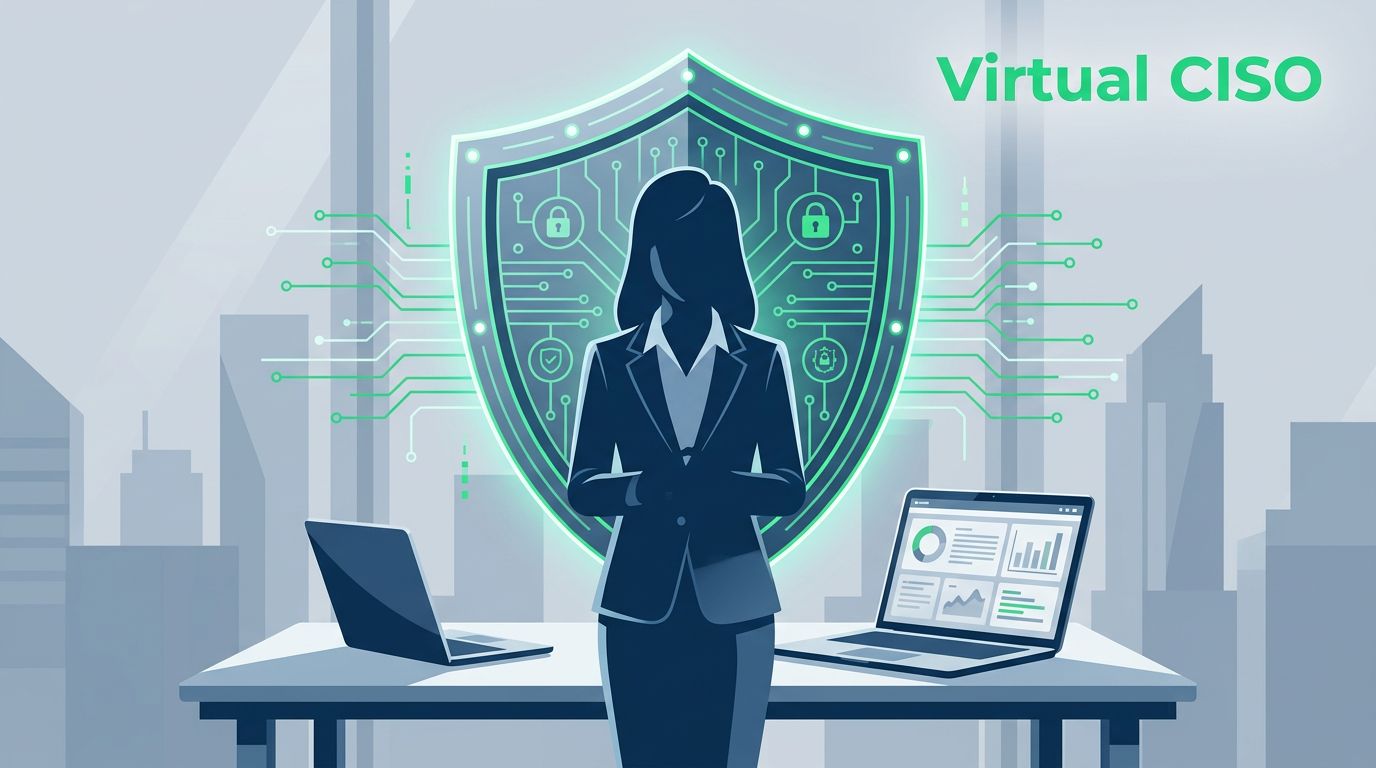
A virtual CISO acts as your part-time Chief Information Security Officer. They join your leadership team remotely. Think strategic guidance without a full salary.
These pros handle board reports and risk oversight. They build your security program over months or years. For example, they align defenses with business goals during vendor risk reviews.
vCISOs stay involved long-term. They track threats and adjust plans. In 2026, demand surges because full-time CISOs cost $250K to $600K yearly, per recent reports. vCISOs fill the gap at lower rates.
They often lead compliance pushes, like SOC 2 readiness. Your team gets executive advice weekly or monthly. This setup suits firms needing steady direction.
Understanding the Cybersecurity Consultant
Cybersecurity consultants focus on short projects. They dive in, fix issues, then leave. No ongoing role.
Picture a consultant auditing your incident response plan. They spot gaps in two weeks and hand over a report. You implement alone after that.
These experts shine in targeted work. Vendor risk assessments or penetration tests fit perfectly. They charge by the hour or project, often $200 to $300 per hour.
Consultants lack the CISO’s broad view. They advise but don’t own outcomes. For quick wins, like pre-audit prep, they excel. However, they won’t attend your board meetings.
Virtual CISO vs Cybersecurity Consultant: Core Differences
Spot the split early. vCISOs lead like executives. Consultants advise like specialists.
Here’s a side-by-side look at key factors.
| Aspect | Virtual CISO | Cybersecurity Consultant |
|---|---|---|
| Scope | Ongoing strategy, leadership, compliance | Project-specific audits, assessments |
| Engagement Length | Months to years (retainer-based) | Weeks to months (one-off) |
| Responsibilities | Board reporting, program building, risk management | Incident planning, vendor reviews, short assessments |
| Strategic Value | High; owns security roadmap | Medium; provides recommendations |
| Typical Cost (Annual Equivalent) | $36K–$180K | $24K–$120K (project-based) |
Data draws from 2026 trends, where vCISOs grow faster due to talent shortages.

vCISOs integrate deeply. They guide during crises and growth spurts. Consultants wrap up fast, so costs stay predictable but support ends.
For deeper insights, check Hammer IT Consulting’s breakdown for financial firms. Or see Canadian Cyber’s real differences guide.
Pricing Models and What They Mean for You
Costs vary by needs. vCISOs use retainers from $3K to $15K monthly. This covers 10-40 hours of leadership.
Consultants bill hourly or fixed-project. A compliance audit might run $20K to $50K. Shorter gigs keep bills low.
In 2026, vCISOs save 30-50% over full-timers. Platforms add AI for automated scans, cutting hours. See Clutch’s 2026 cybersecurity pricing guide for hourly benchmarks.
Pick retainers for steady needs. Projects suit one-offs. Budget surprises hit consultants more if scopes creep.
Best Fits: Startups, SMBs, and Regulated Companies
Startups need quick security foundations. A vCISO builds programs while you scale. They handle early compliance without hiring.

SMBs face vendor risks and incidents. vCISOs oversee plans ongoing. Consultants work for initial assessments.
Regulated firms prioritize audits. vCISOs ensure HIPAA or GDPR compliance year-round. Consultants prep for single reviews.
Cyberstone Security outlines vCISO perks for SMBs. Team-backed vCISOs beat solo consultants here.
Still unsure? Book a Discovery Call with Bud Consulting to match options to your setup.
vCISOs win for strategy. Consultants handle tactics. Both beat doing nothing.
Match your pain points. Growing threats demand action now. Your choice shapes security for years. What fits your team best?