table of contents
Hiring a vulnerability management analyst for a lean team is harder than it looks. One person may need to scan, triage, prioritize, explain risk, and keep remediation moving without much backup.
The mistake is hiring for tool names alone. In small teams, judgment matters more than a long list of platforms.
This checklist helps you screen for the skills that keep a small security program useful, calm, and focused. The right hire turns noisy findings into a fix list people can act on.
Start with the work, not the title
Before you write the job post, define the first 90 days. Lean teams usually need someone who can cover the basics without hand-holding.
A strong role scope often includes:
- Running or reviewing scans across endpoints, cloud assets, web apps, and external exposure
- Cleaning up false positives and duplicate findings
- Ranking issues by business risk, not just severity
- Tracking fixes through IT, cloud, and engineering owners
- Confirming remediation with retests and clear notes
In 2026, pay ranges are wide. A lot of roles land somewhere around $77,000 to $121,000, but scope and location move that number fast. That matters because a broad role needs a broader skill mix.
For smaller teams, it helps to think like a coverage planner, not a tool buyer. Continuous vulnerability management for lean security teams is a useful example of that mindset.
Core skills that matter in a lean environment
A lean team needs a builder, not a report factory. That means you should screen for core habits first, then tools second.
| Skill area | What good looks like | What to avoid |
|---|---|---|
| Risk judgment | Can explain why one issue matters more than ten others | Treats every critical finding the same |
| Triage | Removes noise, duplicates, and false positives quickly | Sends raw scan output to everyone |
| Communication | Writes clear tickets and talks in plain language | Dumps technical jargon on non-security teams |
| Remediation tracking | Follows issues until they are fixed and retested | Stops after opening a ticket |
| Cross-team work | Can work with IT, cloud, and developers without friction | Only knows how to talk to security peers |
The best candidates often know tools like Nessus, Qualys, Rapid7 InsightVM, DefectDojo, or OWASP ZAP. Still, those are examples, not gates. The real test is whether they can make sense of findings in your environment.
If a candidate also knows common scoring models like CVSS or EPSS, that helps. What matters more is whether they can translate scores into action.
If the analyst cannot explain why a finding matters, the scanner ends up doing the thinking for them.
For a broader view of role scope and common expectations, this vulnerability analyst hiring guide is a helpful reference point. For tool context, open-source vulnerability management tools for 2026 shows how scanners and tracking layers often work together.
Interview questions that reveal judgment
Good interviews sound like real work, not trivia. Ask about tradeoffs, because that is where weak candidates usually slip.
Try questions like these:
- A scan shows 200 critical findings on 50 assets. What do you fix first?
- A finding looks severe, but the scanner is probably wrong. What do you do?
- An app owner keeps ignoring your ticket. How do you move it forward?
- Cloud and engineering teams disagree with your risk call. How do you handle that?
- A system is internet-facing, but the patch window is two weeks out. What next?
Strong answers mention asset value, exposure, exploitability, compensating controls, and timing. They also show patience. That matters in lean teams, where one person often owns the follow-up.
Look for people who give examples from real work. They should talk about retesting, ticket hygiene, and how they kept fixes from stalling. If they only talk about scanner features, keep digging.

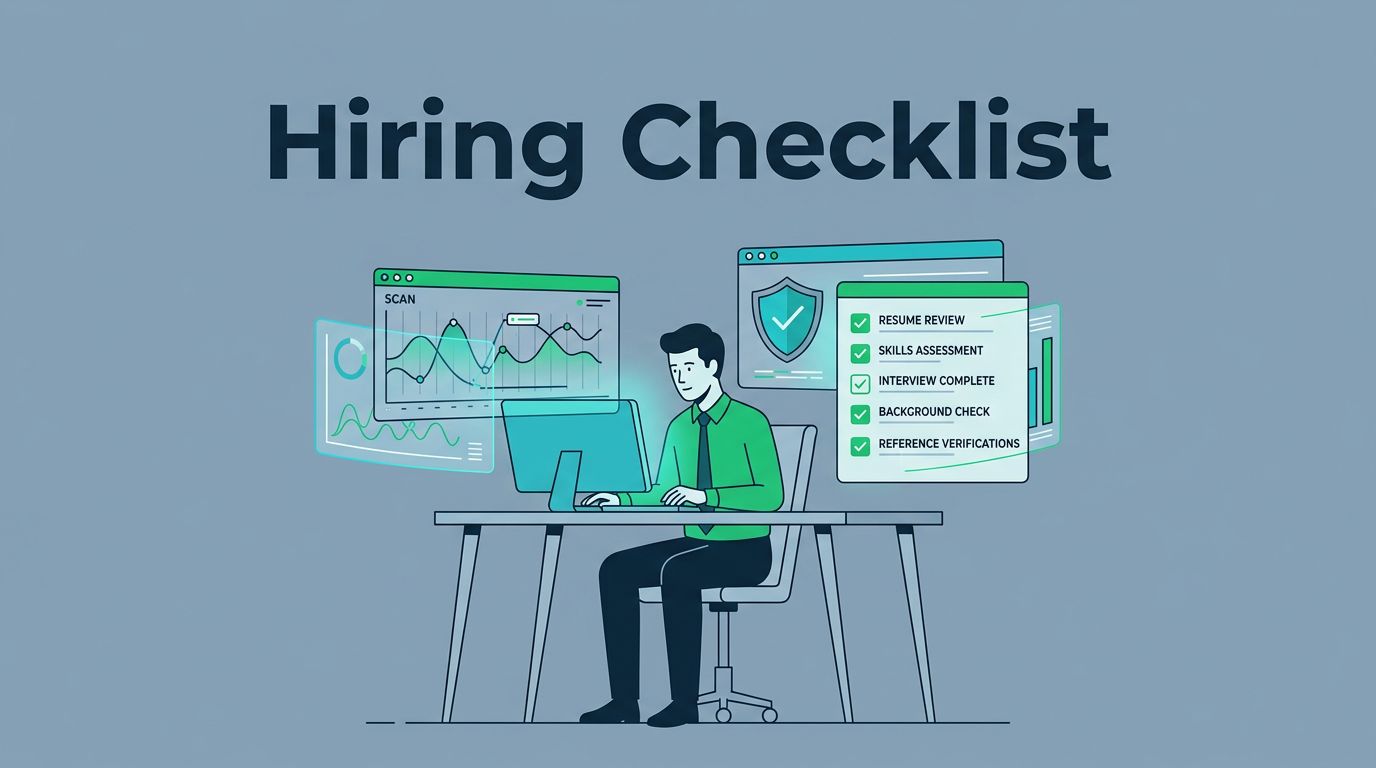
Use a scorecard that fits small teams
A simple scorecard keeps hiring honest. It also helps you compare candidates who come from different backgrounds.
Score these areas instead of chasing one perfect resume:
- Technical range across infrastructure, cloud, and apps
- Prioritization based on risk, not fear
- Writing quality in tickets and updates
- Follow-through on remediation and retesting
- Comfort working with non-security teams
Give each area a clear weight. For lean teams, prioritization and follow-through should carry the most weight. Tool depth should help the score, but it should not decide the hire on its own.
If you need a candidate who can work across security, IT, and engineering, that mix is worth screening hard. And if you want help defining the role or vetting candidates, Book a Discovery Call with Bud Consulting.

A strong hire keeps the queue moving
A good vulnerability management analyst does more than find issues. They turn scan noise into a sane priority list and keep fixes moving across teams.
That is the real value for a lean team. You need someone who can balance scanning, triage, prioritization, communication, and remediation tracking without creating more work for everyone else.
If your next hire can explain risk in plain language and stay steady under pressure, you are hiring for the right thing.