table of contents
You run customer-facing webinars to build trust and drive leads. But one disruption from a malicious attendee or AI fake can damage your brand. In 2026, threats like deepfake impersonation and credential stuffing hit hard, as seen in recent breaches like Match Group’s 10 million record leak.
Marketing teams need webinar security that works without frustrating attendees. These playbooks give you step-by-step actions to lock down events. They balance protection with smooth experiences so your demand gen stays strong.
Start with the risks, then follow the prep, live, and cleanup steps.
Common Webinar Security Risks in 2026
Threats evolve fast. Hackers now use AI for deepfakes that mimic speakers. A fake host could share bad info or phish attendees live.
Credential compromise tops the list. Stolen logins let attackers join as legit users. Recent data shows identity attacks break in under 30 seconds. Credential stuffing targets webinar platforms too.
Malicious attendees cause chaos. They spam chats, share malware links, or “bomb” with noise. Bots create fake registrations to skew polls or steal data.
Data leakage rounds it out. Recordings or attendee lists exposed lead to breaches. Cloud misconfigs amplify this, as in Brightspeed’s ransomware hit.
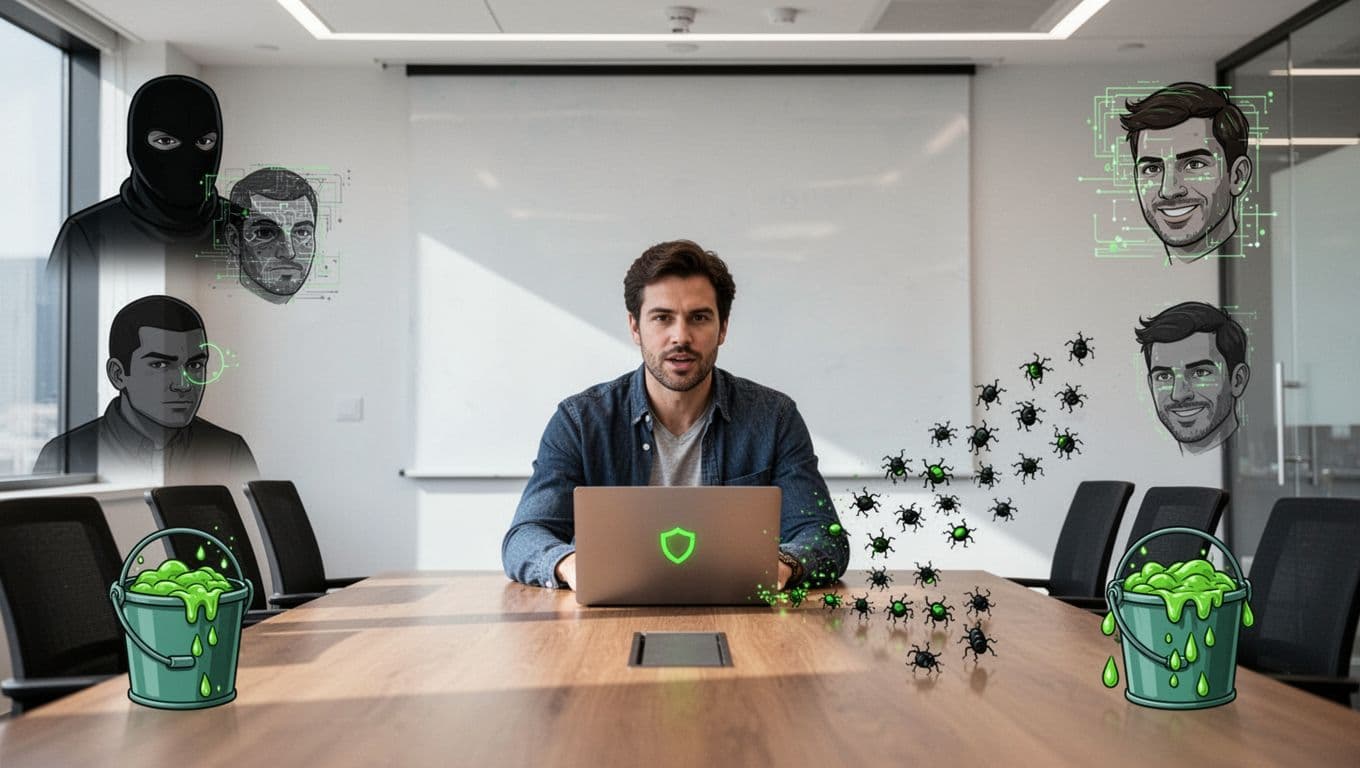
These risks hurt more than IT. Marketing loses leads; customers question your ops. For example, a deepfake in a CISO webinar could spread false advice. Check Proofpoint’s AI risk webinar for trends.
Know your threats first. Then build defenses that catch them early.
Pre-Webinar Security Playbook
Prep sets the tone. Assign roles: one for tech, one for moderation, one for compliance.
Choose platforms with strong defaults. Look for waiting rooms, MFA, and chat controls. Test backups like secondary links.
Review content for risks. Scan slides for sensitive data. Rehearse with full crew.
Set policies. Require work emails only. Block free domains like gmail.com.
Create a checklist:
- Verify platform encryption end-to-end.
- Enable auto-mute for joiners.
- Plan for 20% no-shows from bots.
Run a dry run two days out. Simulate attacks: fake spammer joins, deepfake audio plays. Time responses.
Compliance matters. Get consent for recordings. Anonymize polls.

This phase cuts 80% of issues. Teams that skip it face live scrambles. Forrester’s 2026 predictions webinar stresses planning against AI agent risks.
Follow these steps weekly for repeat events. Your marketing team thanks you.
Secure Registration and Vetting
Fake signups poison your list. Bots grab spots, then spam or scrape data.
Demand work emails. Tools validate domains in real-time. Reject consumer ones.
Add CAPTCHA sparingly. Use it for high-risk IPs only. Behavioral checks spot bots by mouse speed.
Require MFA at signup. This stops credential stuffing cold.
Cap registrations. Match to your license; excess goes to waitlist.
Vetting checklist:
- IP reputation scan.
- Email verification link.
- Duplicate check by name/email.
Post-signup, send unique join links. Expire them after 24 hours.
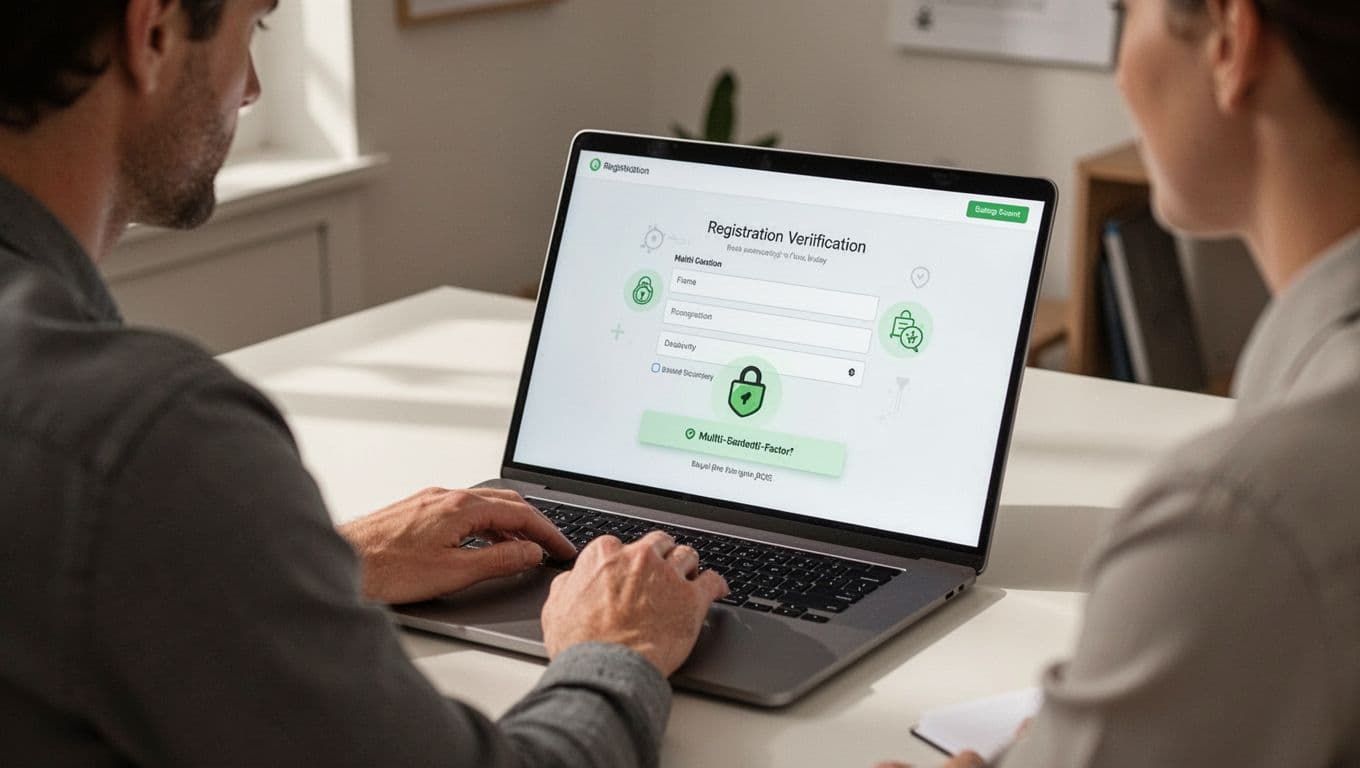
Livestorm’s webinar security tips back this: unique links cut trolls. HUMAN Security’s fake account webinar shows bots cost revenue.
Clean lists mean real leads. RevOps pros, automate this flow.
During the Event: Live Security Controls
Live is where attacks peak. Stay vigilant.
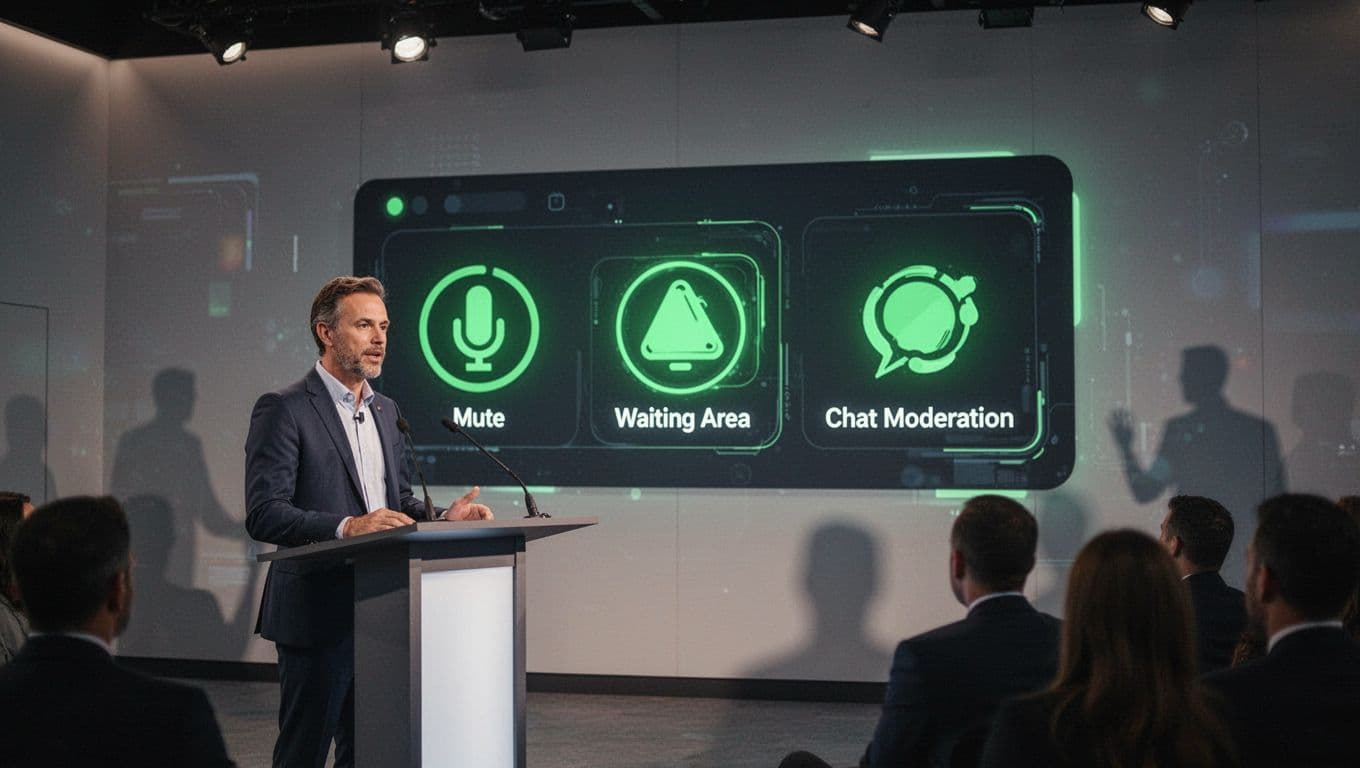
Use waiting rooms. Admins approve joins manually for first 10 minutes.
Lock interactions. Hosts only share screens. Disable attendee cams/mics by default.
Moderate chat and Q&A. Assign two mods; one watches, one acts.
Mute disruptors fast. Remove for spam or links.
Monitor for signs: sudden IP spikes, odd names.
Tools help. Dashboards flag bots in polls.
If deepfakes hit, pause and verify. Ask real-time questions only you know.
Kaspersky’s attacker playbook webinar details tactics like these. Practice ejections in mocks.
Keep flow smooth. Attendees notice zero friction.
Post-Webinar Actions and Review
Cleanup prevents leaks. Password-protect recordings; share via verified emails only.
Delete raw attendee data after 30 days. Keep aggregates for metrics.
Review logs. Check failed logins, removed users. Note patterns.
Send follow-ups securely. No open links; use signed emails.
Debrief team. What worked? Update playbook.

IPASIS’s fake signup guide aids bot reviews. This closes loops.
Strong post-steps build audit trails for compliance.
Tools and Integrations for Ongoing Webinar Security
Vendor-neutral picks matter. Use open standards.
MFA everywhere: Auth0 or Okta plugins.
Bot detection: Cloudflare or HUMAN for registrations.
AI checks: Tools scan audio for deepfakes live.
Integrate with CRM. Zapier pulls clean leads only.
Train staff quarterly. Role-play attacks.
Budget tip: Start free tiers, scale as events grow.
Incode’s deepfakes webinar warns of AI fraud scale. Layer tools without complexity.
Marketing gains from secure pipelines. IT aligns easy.
Conclusion
Secure webinars protect your brand and boost trust. Follow these playbooks: prep checklists, vetted registrations, live controls, and clean reviews.
You cut risks like AI impersonation and bots while keeping events engaging. Recent breaches prove action now pays off.
Bud Consulting helps source security talent for these ops. Book a Discovery Call with Bud Consulting to strengthen your team.
Run your next event safer today.