table of contents
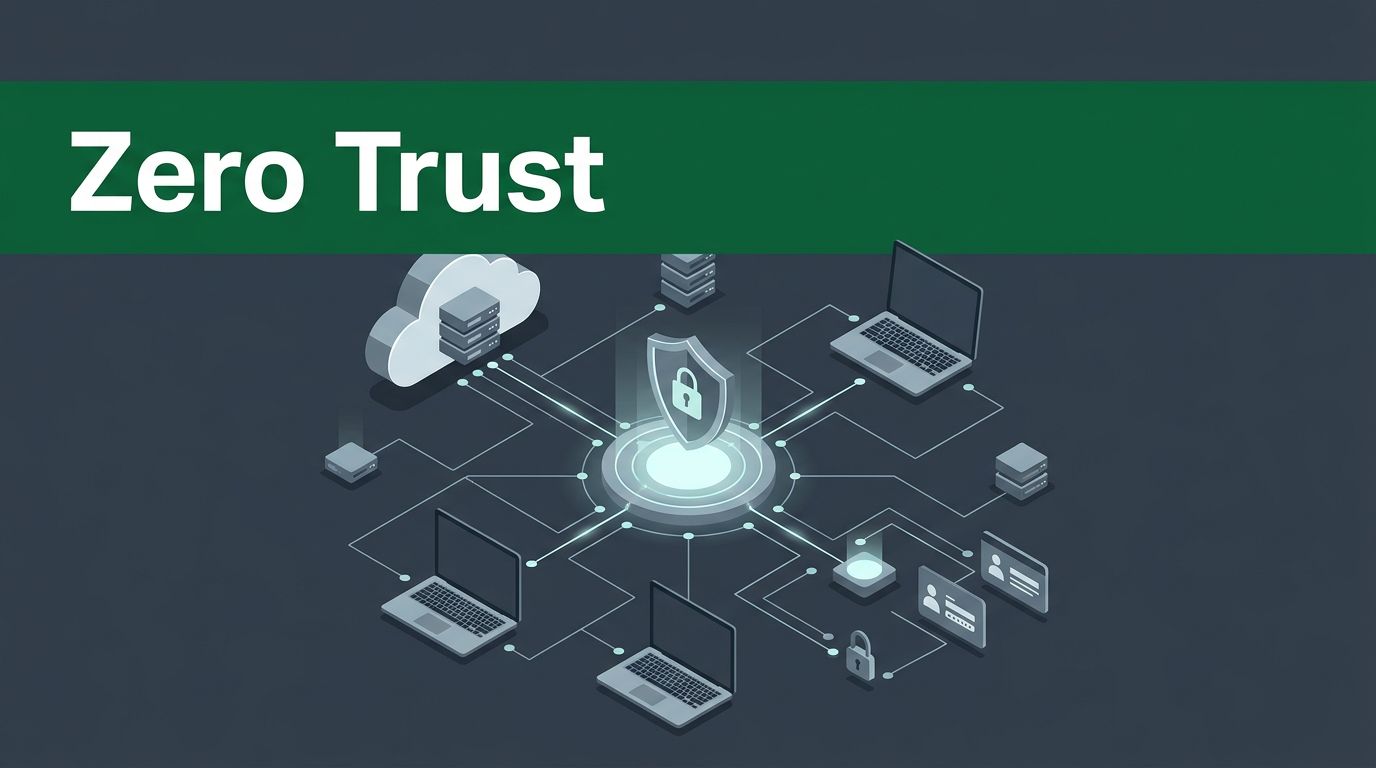
Organizations face constant pressure to secure modern hybrid networks, remote workforces, and cloud applications. Perimeter defenses fail when attackers bypass traditional firewalls using compromised credentials. Security leaders need a structured security model that assumes breach and verifies every user, device, and connection. Implementing this architecture requires specialized external expertise. Finding the right zero trust consulting firms helps security teams design, build, and maintain these complex frameworks without burning out internal staff.
Organizations often treat security as a destination. True zero trust security requires continuous validation, identity governance, and strict access controls across every network layer. External partners provide the strategic clarity needed to close technical gaps and align security architectures with real-world threat vectors.
Key Takeaways
- Zero trust is an ongoing operational strategy rather than a one-stop product installation.
- External partners usually fall into three categories: pure-play consultancies, large systems integrators, and vendor professional services.
- Procurement teams must evaluate partners based on real-world architecture design, identity governance expertise, and continuous threat monitoring capabilities.
- Clear vendor evaluation questions help security leaders separate marketing claims from actual engineering execution.
Evaluating Different Types of Zero Trust Consulting Firms
The advisory market contains distinct provider types. Each option offers unique strengths and limitations depending on existing organizational resources. Understanding these differences prevents costly misalignments during vendor selection.
Pure-play cybersecurity consultancies focus exclusively on security architecture, identity management, and offensive testing. These firms provide deep technical expertise and remain vendor-neutral. They design architectures that fit existing tech stacks without pushing proprietary software licenses. For a deeper look at core architecture principles, see understanding the zero trust security framework.

Large systems integrators handle massive enterprise deployments across multi-vendor environments. These global firms integrate complex cloud migrations, identity providers, and network access tools into unified systems. They bring scale and project management resources, though their advisory teams vary in specialization.
Vendor-led professional services teams operate inside specific technology ecosystems. Companies like Checkpoint offer specialized zero-trust advisory and consulting programs directly tied to their product suites. These teams deploy native controls quickly, but they might steer architectural decisions toward their proprietary platforms.
Core Pillars Evaluated by Security Experts
A proper zero trust roadmap spans multiple technical planes. Effective consulting partners must evaluate and configure each plane to eliminate implicit trust.
Identity and access management forms the primary control plane. Consultants audit single sign-on tools, multi-factor authentication policies, and risk-based conditional access rules.
Network access and secure service edge controls replace legacy VPNs with granular application segmentation. Partners map out how users connect to private enterprise resources, ensuring device posture is verified before granting access.
Privileged access management and governance control plane enforcement prevent lateral movement during an active compromise. Specialists review least-privilege policies, session monitoring tools, and entitlement visibility across cloud environments.
Essential Questions for Procurement Teams
Vetting external partners requires direct technical questions. Procurement teams and CISOs should move past polished slide decks and press releases during vendor evaluations.
Ask potential partners how they handle continuous validation rather than static policy deployment. Inquire about their experience with identity governance across multi-cloud infrastructure. Request specific examples of how they enforce least-privilege access without disrupting developer workflows or business operations.
Organizations building secure cloud environments often need specialized talent alongside architectural guidance. You can Book A Call With Us to discuss how specialist recruitment and advisory services support your security roadmap.
Conclusion
Securing modern hybrid infrastructure requires moving past outdated perimeter defenses. External partners help security teams design resilient architectures that verify every request. Choosing the right zero trust consulting firms accelerates deployment while reducing human and technical risk across enterprise environments. Security leaders must treat implementation as an ongoing operational program rather than a temporary project.