table of contents
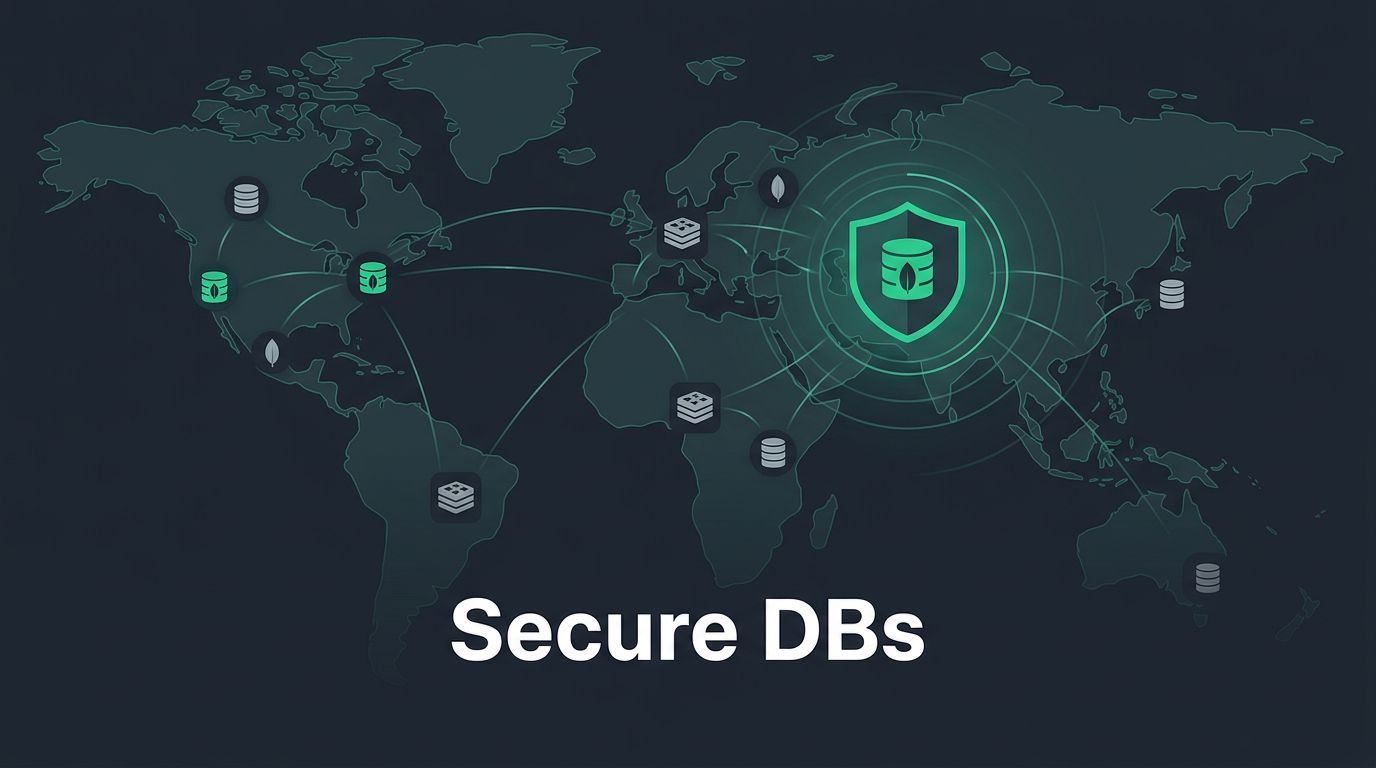
Hackers wiped data from over 1,400 MongoDB databases this year alone. They left ransom notes, but most owners ignored them. You face the same risks if your databases sit open on the internet.
Exposed database instances top the list of easy wins for attackers. No authentication means anyone can read, write, or delete. CTEM cycles help you find these fast and fix them right.
These playbooks follow Gartner’s five stages. They target common setups like MongoDB on port 27017 or Redis without passwords. Start with discovery to build your attack surface view.
CTEM Stages for Managing Exposed Databases
CTEM runs in a loop: discover, validate, prioritize, remediate, and monitor. Each stage builds on the last. Skip one, and risks come back.
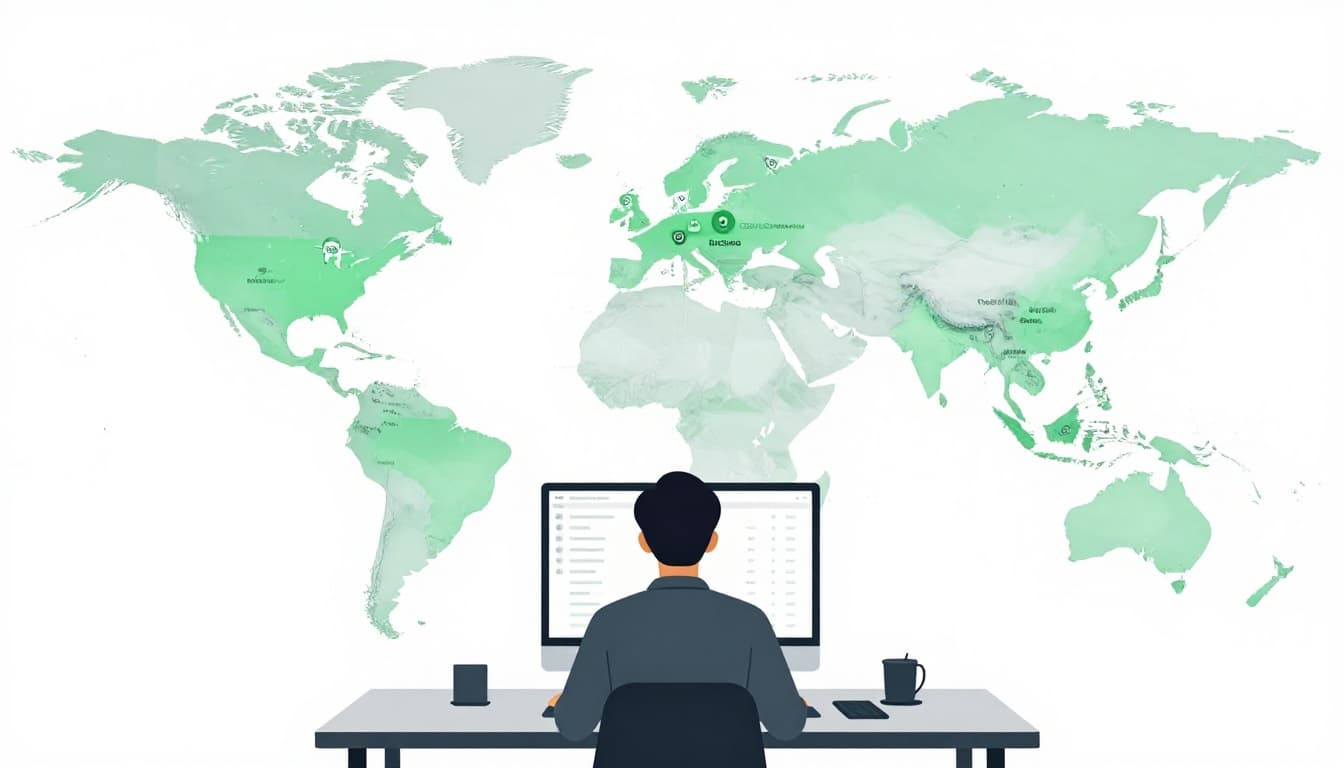
Discovery maps your internet-facing assets. You scan for open ports like 6379 for Redis or 9200 for Elasticsearch. Tools ping the world from outside your network. This catches shadow IT databases too.
Validation confirms the find. Is that PostgreSQL on 5432 real? Does it accept connections? Check auth and data access without touching production.
Prioritization scores threats. A MySQL with customer PII scores higher than a test Redis. Factor in exploit ease and business impact.
Remediation closes the door. Bind to localhost, add firewalls, enable auth. Test each change.
Monitoring watches for re-exposure. Daily scans alert on drifts. In 2026 cloud setups, this beats quarterly audits.
Focus on these stages keeps your team efficient. You reduce noise and act on what matters. Next, drill into discovery.
Discovery Phase in CTEM for Exposed Databases
Start outside your perimeter. Attackers do not ask permission. Use external scanners to probe for database ports.
Common targets include MongoDB (27017), Redis (6379), Elasticsearch (9200), PostgreSQL (5432), and MySQL (3306). Over 200,000 MongoDB instances show up online now. About 3,100 lack any protection.
Run daily scans across your domains and IPs. Tools query Shodan or your own agents. Cross-check cloud APIs for RDS or Cosmos DB.
Build an exposure register. List IP, port, service banner, and first-seen date. Tag owners from DNS or asset tags.
In cloud-native spots, query AWS EC2, Azure VMs, or GCP instances. Public security groups often flag RDS endpoints.
A recent MongoBleed flaw hit 213,000 databases. Scanners caught them early. Your playbook: automate weekly full scans, alert on new finds.
Combine with certificate transparency logs. Exposed DBs tie to rogue certs sometimes.
This phase outputs a clean list. No duplicates, no false positives yet. You feed it to validation.
Validation Steps for Internet-Reachable Databases
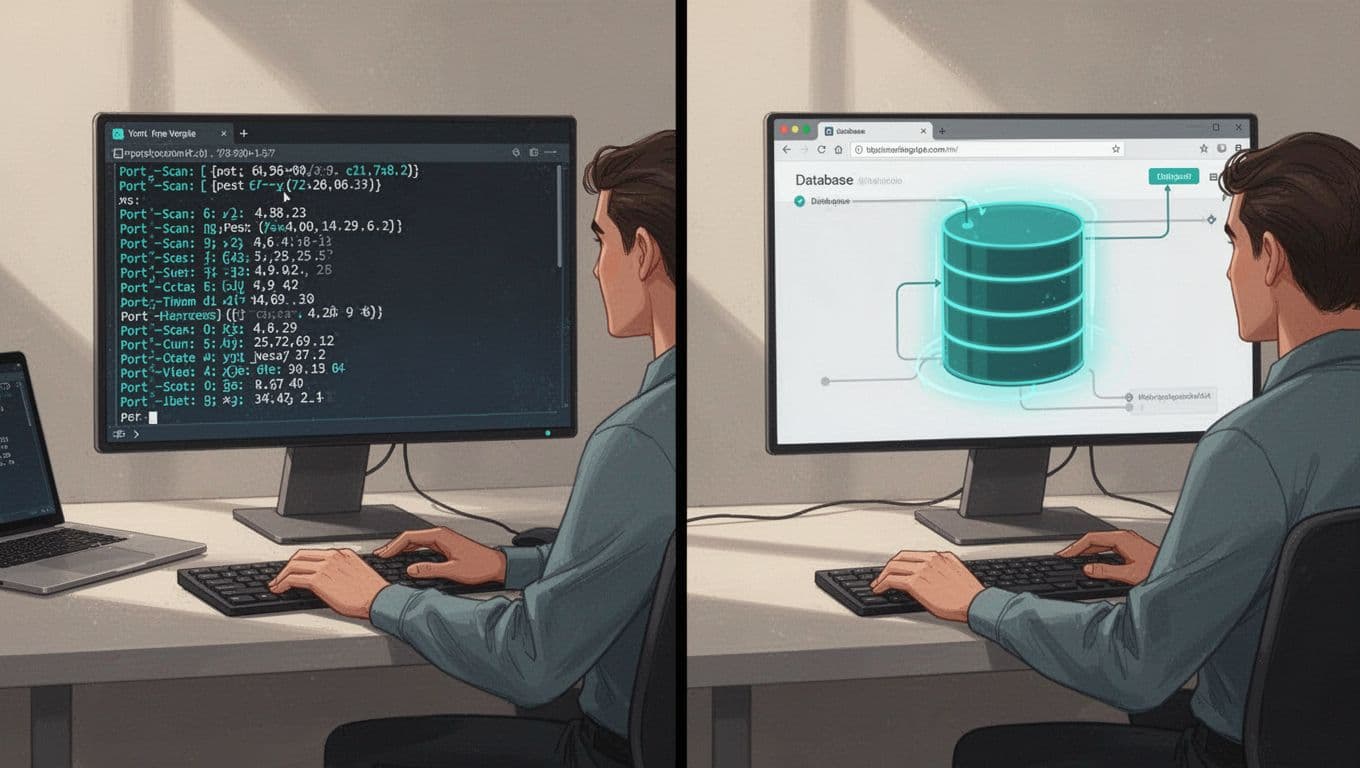
A scan says port 27017 opens. Now prove the risk. Connect from a test IP. Skip internal checks; attackers hit from anywhere.
First, banner grab. Nmap shows “MongoDB Server 7.0”. Telnet confirms. No auth? Try a read query.
For Redis, send “INFO” or “KEYS *”. Elasticsearch? Curl the root endpoint for indices. PostgreSQL and MySQL need credential tests if trust auth runs.
Check reachability context. Is it behind Cloudflare? Does WAF block? Test compensating controls.
Identity flaws matter too. Default creds like empty MySQL root? Weak IAM roles on cloud DBs?
Document data sensitivity. Query counts or sample records if safe. Note versions for CVEs like CVE-2026-25611 on MongoDB.
Use scripts for speed. Python with pymongo tests MongoDB auth. Psql for Postgres.
In 2026, cloud DBs like Azure Cosmos DB expose via public endpoints. Validate VNet rules fail.
This confirms true exposures. You score 80% false positive drop. Move high-confidence ones to prioritization.
Prioritization Framework for Exposed Databases
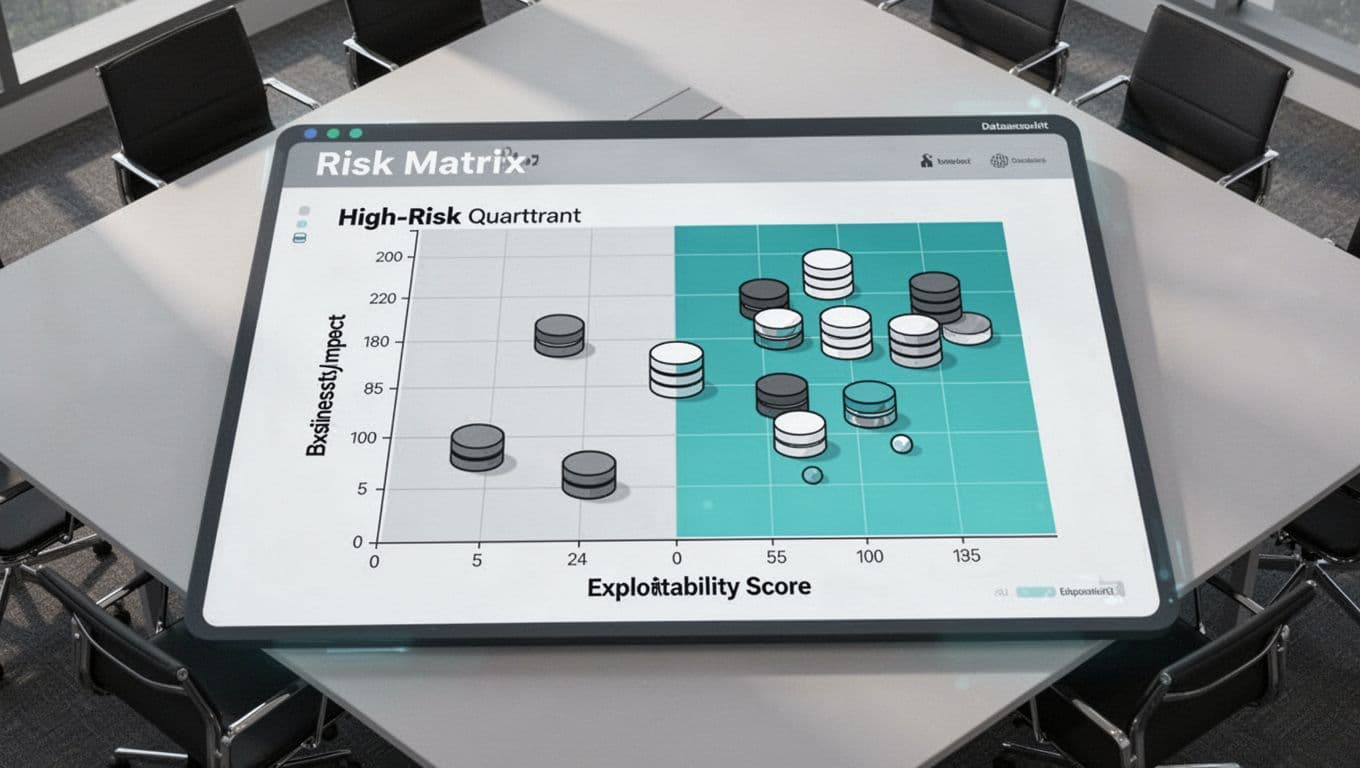
Not all exposures equal. Prioritize by exploitability and impact. Use a matrix to sort.
Exploitability: Active CVEs? Public exploits? Default no-auth configs score highest.
Impact: Data type? Customer records in Elasticsearch beat logs. Business owners tag criticality.
Score like this: High if no auth and PII present. Medium for auth but weak. Low for read-only test data.
| Factor | High Score | Low Score |
|---|---|---|
| Auth Status | None | Strong MFA |
| Data Sensitivity | PII/Financial | Anonymized |
| Exploit Availability | Public PoC | Theoretical |
| Reachability | 0.0.0/0 | VPC only |
This table guides quick triage. High quadrant first.
Redis RCE via no-auth tops lists. MongoDB leaks hit 4.3 billion records last year.
Cloud twist: AWS RDS public snapshot? Prioritize over private. Factor SLA breach risk.
Team reviews weekly. Assign SLOs: fix high in 48 hours.
This framework cuts remediation backlog 50%. You focus where attacks hit.
Remediation Playbooks by Database Type
Fix fast with type-specific steps. Tailor to MongoDB, Redis, and others. Verify each.
MongoDB (27017): Edit mongod.conf: set bindIp to 127.0.0.1. Enable security.authorization: enabled. Restart. Firewall drop inbound.
Redis (6379): redis.conf: bind 127.0.0.1. Add requirepass strongpass. Rename dangerous commands like CONFIG to “”. UFW deny 6379.
Elasticsearch (9200): elasticsearch.yml: network.host: localhost. http.authc enabled. X-Pack security on.
PostgreSQL (5432): postgresql.conf: listen_addresses = ‘localhost’. pg_hba.conf: host all all 127.0.0.1/32 md5. Cloud: NSG restrict to app subnet.
MySQL (3306): my.cnf: bind-address=127.0.0.1. Users grant only local. Drop remote root.
Cloud-managed? AWS RDS: set public=false. VPC security groups inbound from app only. Azure: Firewall rules 0.0.0.0 deny.
Run post-fix scan. No port open? Good.
For multi-node, update all. Script changes for speed.
These playbooks work in 2026 hybrids. Test in staging first.
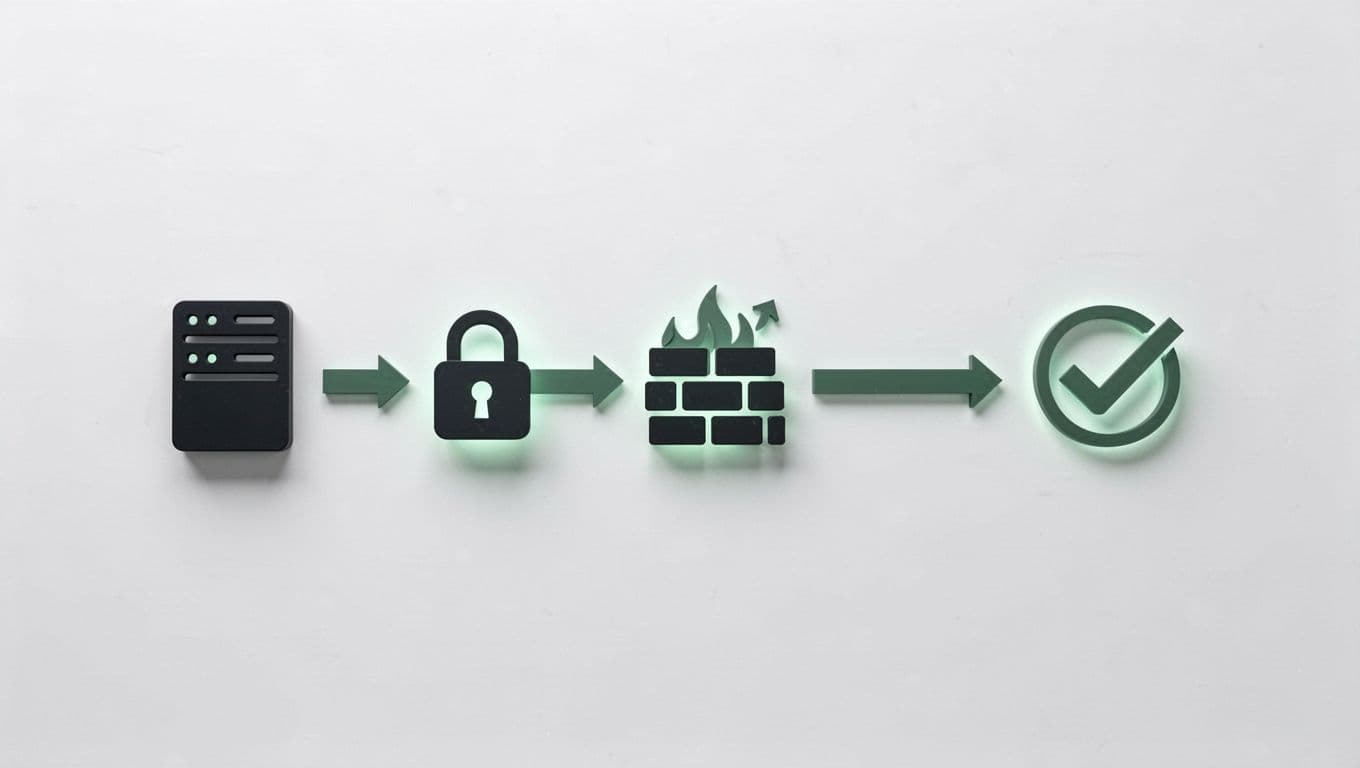
Details on open port fixes appear in this open port remediation playbook. Adjust for your stack.
Cloud-Native Considerations for Exposed Databases
Cloud shifts the game. Managed services like RDS hide ports but expose endpoints.
AWS RDS PostgreSQL: Public access on? Turn off. Use IAM auth over passwords.
Azure MySQL: NSG allows 0.0.0.0/0 on 3306? Block it. Private link preferred.
Cosmos DB: Public keys rotate? API exposure via firewall rules.
Scans miss console misconfigs. Check for public snapshots. S3-like leaks hold old DB dumps.
Compensating controls: TLS enforce, audit logs on. But no substitute for private access.
In 2026, serverless DBs like Aurora pop up. Validate lambda integrations.
Integrate with CTEM tools. Cloud APIs feed discovery.
Remediate via console: one-click for many. Monitor billing spikes from abuse.
This handles 40% of exposures now. Pure cloud teams start here.
Post-Remediation Verification and Monitoring
Fix done? Prove it. Re-scan from external IP. Port closed? Auth blocks?
Query again: no data leak. Check logs for failed attempts pre-fix.
Set monitoring: daily external probes. Alert on re-open.
Dashboard trends exposures down. Green for fixed, red for new.
Elasticsearch fixed? Watch 9200 closes. Postgres too.
Automate with agents. Integrate Slack or tickets.
Quarterly reviews catch drifts. DevOps changes re-expose sometimes.
In CTEM, monitoring closes the loop. Exposures drop over time.
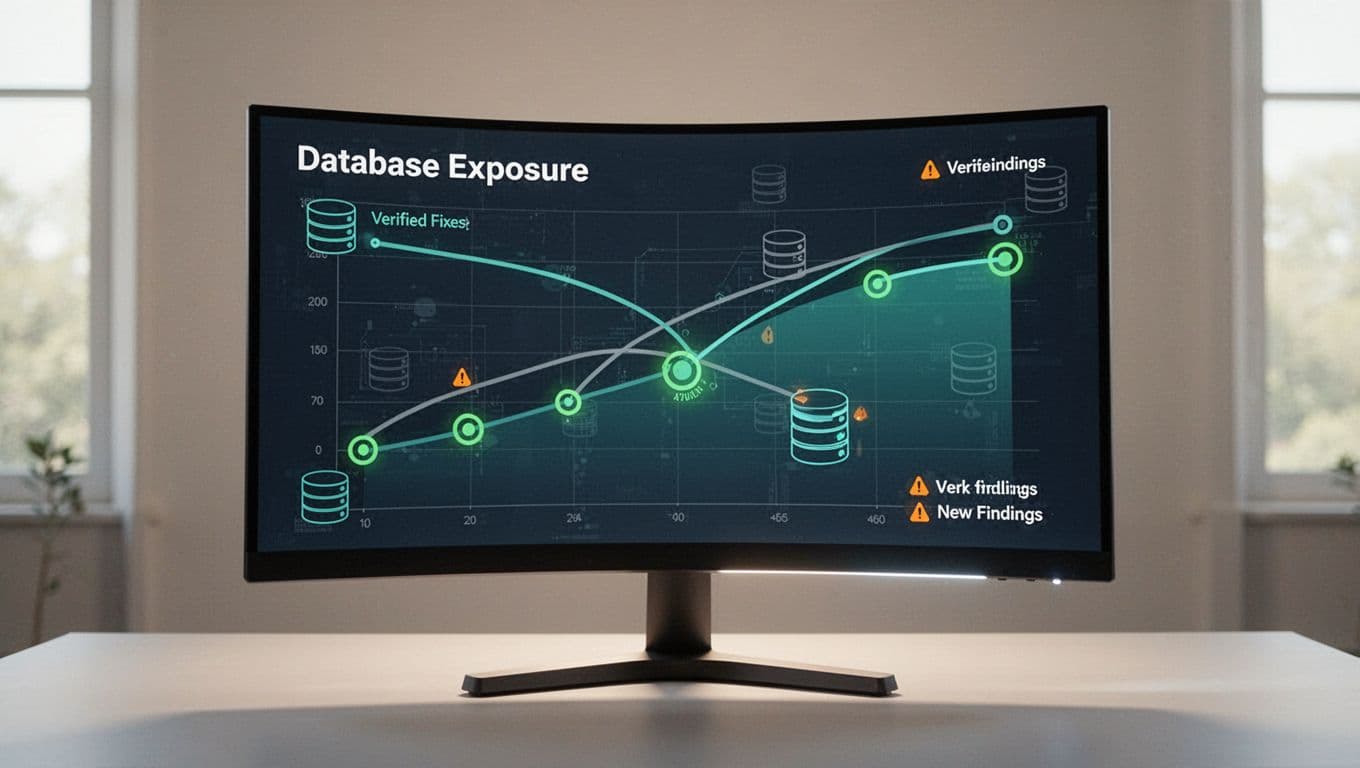
See the five stages of CTEM for full cycle details.
Conclusion
Exposed database instances fall fast to simple scans. CTEM playbooks turn that around with discovery, validation, priority, fixes, and checks.
You now have steps for MongoDB ransoms or Redis leaks. Run the cycle weekly. Risks shrink.
Teams using this see fewer incidents. Start small, scale out.
Need help implementing? Book a Discovery Call with Bud Consulting.