table of contents
Serverless compute scales fast. You deploy code without servers. Yet threats hide in its speed. Functions spin up and vanish. This leaves gaps in visibility.
You face CTEM serverless security challenges daily. Traditional scans miss ephemeral assets. Attackers exploit IAM flaws or exposed endpoints. Teams waste time on false alerts.
This post breaks down CTEM steps for AWS Lambda, Azure Functions, and similar setups. You’ll get concrete fixes and comparisons to older environments. Let’s start with core differences.
Serverless vs Traditional Environments in CTEM
Traditional VMs and containers sit steady. You scan them once. Attack surfaces stay put. Firewalls block known ports. Tools like Nessus map them easily.
Serverless flips this. Functions launch on events. They last seconds. No OS to harden. Exposures scatter across APIs and roles.
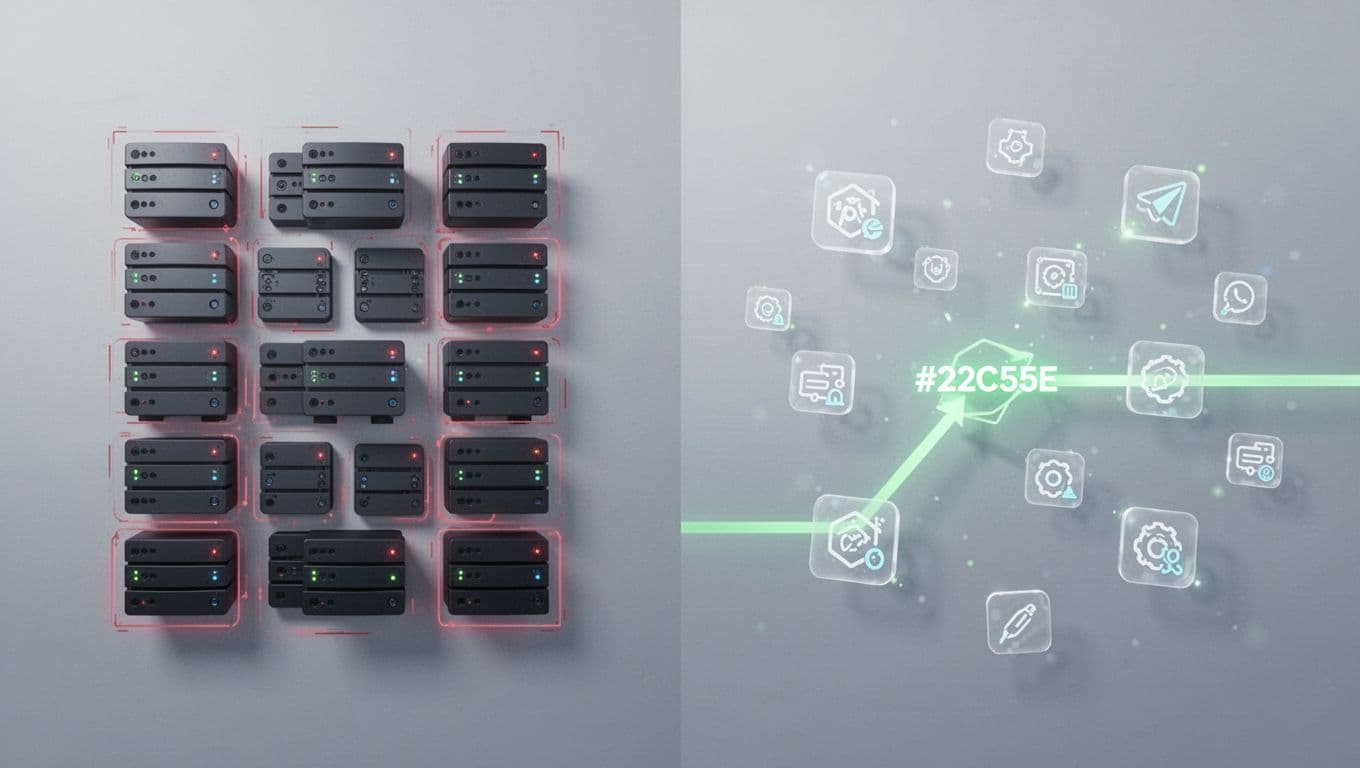
In VMs, you control the host. Patching follows schedules. Containers add layers, but Docker images stay inspectable. Serverless hands control to providers. AWS Lambda manages runtimes. You focus on code and configs.
This shift demands CTEM. Gartner’s cycle fits: scope assets, discover risks, prioritize threats, validate exploits, mobilize fixes. In 2026, AI speeds discovery. Yet serverless needs runtime checks. Static scans catch 20% of issues. Dynamic ones find the rest.
Consider blast radius. A VM breach hits one box. Serverless scales wide. One bad Lambda role grabs all S3 data. CTEM prioritizes by reachability. Tools query cloud APIs for real-time views.
You still need baselines. VMs use agent scans. Serverless pulls from AWS Config or Azure Resource Graph. Both beat point scans. Serverless wins on auto-scale. It loses on shadow functions, those undeclared endpoints attackers love.
Serverless-Specific Security Challenges
Serverless thrives on events. An API call triggers Lambda. It processes data, then dies. Great for cost. Tough for security.
Exposures cluster in five spots. First, over-permissive IAM. Roles grant S3 full access. Attackers invoke and steal. Second, exposed function URLs. Public endpoints run unauthenticated code. Third, insecure event sources. SQS queues feed tainted data. Fourth, vulnerable dependencies. NPM packages hide exploits. Fifth, weak logging. No traces mean blind spots.
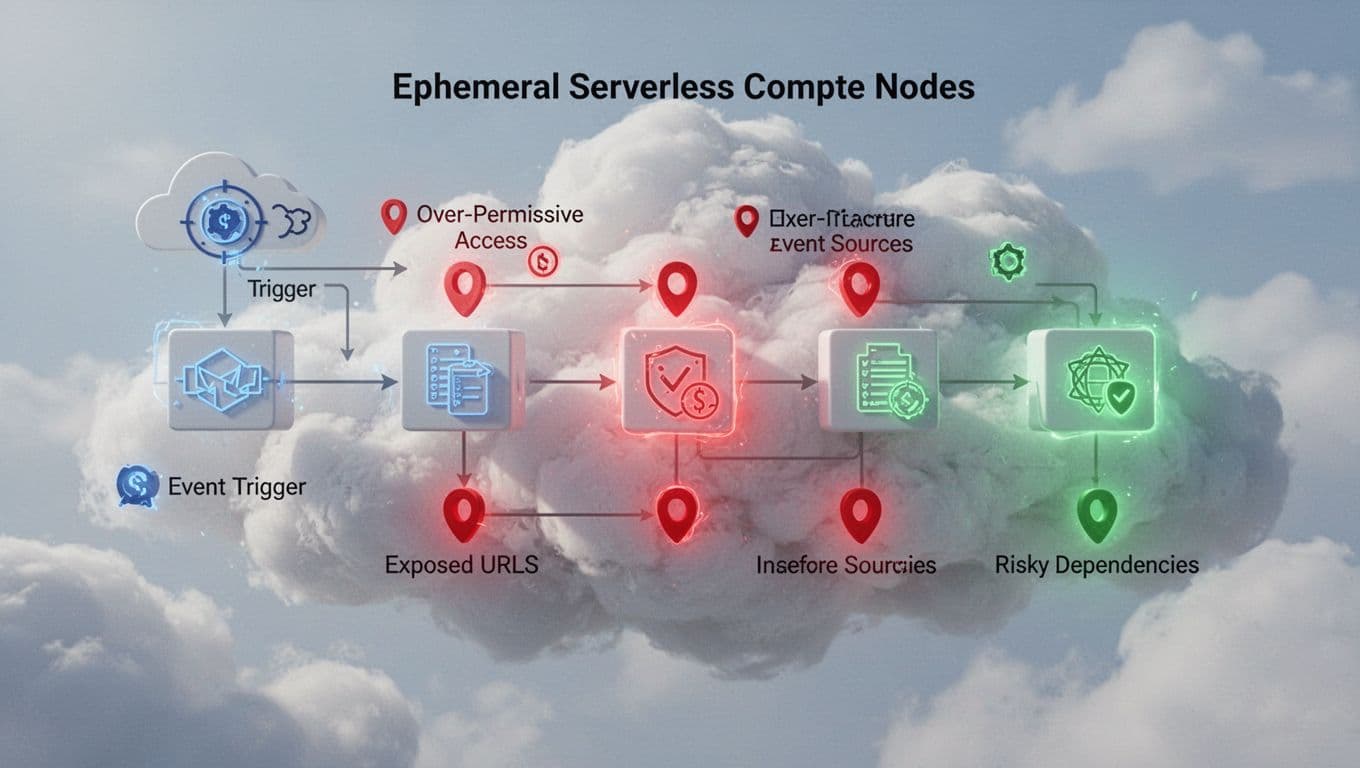
These differ from VMs. Containers patch kernels. Serverless relies on provider updates. You miss runtime twists. A 2026 trend shows AI attacks up 270%. Prompt injections hit functions hard.
Take IAM over-permissioning. A Lambda pulls from DynamoDB. Its role lists “s3:*”. Attackers chain it to data exfil. In containers, you limit namespaces. Serverless needs role-per-function.
Exposed URLs plague Azure Functions. HTTP triggers default to public. One misconfig leaks user info. VMs hide behind load balancers. Serverless exposes direct invokes.
Event sources amplify risks. S3 notifies Lambda on uploads. No validation lets malware spread. Dependencies worsen it. A log4j vuln in a layer affects thousands.
Logging lags too. CloudWatch samples invocations. Misses deep errors. CTEM bridges this with continuous validation.
Managing IAM Permissions in Serverless CTEM
IAM drives most serverless breaches. Functions need roles. Broad ones invite abuse.
Start with least privilege. Assign per function. AWS execution roles scope to actions. Lambda reads one S3 bucket? Grant “s3:GetObject” only.

In CTEM, scope lists functions first. AWS IAM Access Analyzer finds unused perms. Prioritize public roles. Validate by simulating invokes. Tools like Prowler test escalations.
Azure Functions use managed identities. Link to RBAC. Avoid keys in code. Check OWASP Serverless FaaS Security Cheat Sheet for role tips.
Steps to fix:
You audit weekly. Cloud APIs list roles. Score by privilege height. Test exploits. Remediate with policy generators.
Tools help. AWS IAM uses least-privilege scripts. Azure Policy enforces it. CTEM cycles repeat. Cuts over-perms by 80%.
Real case: A team shared one role. Attackers pivoted to RDS. Post-CTEM, roles split. No repeats.
Environment variables tempt shortcuts. Don’t store secrets there. Use AWS Secrets Manager. Rotate often. CTEM validates access paths.
Securing Event Sources and Dependencies
Events fuel serverless. Secure them or lose control.
SQS or API Gateway feeds functions. Validate inputs. Strip headers. Sanitize payloads. Azure Event Grid needs auth tokens.
Dependencies sneak risks. Lambda layers bundle libs. Scan pre-deploy. Snyk checks npm. Fix vulns before zip.
In CTEM, discover pulls package lists. Prioritize CVEs with exploits. Validate by runtime tests. Mobilize with auto-updates.
Microsoft Defender for Cloud serverless protection flags insecure deps. It scans runtimes too.
Exposed URLs? Gate them. API Gateway adds JWT. Lambda URLs need IAM auth. Azure Functions enforce RBAC.
Misconfigs chain risks. Event from public S3 hits Lambda. It calls weak API. Breach flows. CTEM maps these paths.
Best practice: Shift left. CI/CD scans code. Block deploys on high risks. Runtime proxies filter events.
A payment function example. S3 upload triggers it. No val? Fraud slips. Add schema checks. Logs confirm.
Essential Monitoring and Logging for CTEM
Visibility lacks in serverless. Functions vanish fast. Logs must capture all.
CloudWatch for Lambda. Set full logs. Dead-letter queues catch fails. Azure Monitor aggregates metrics.
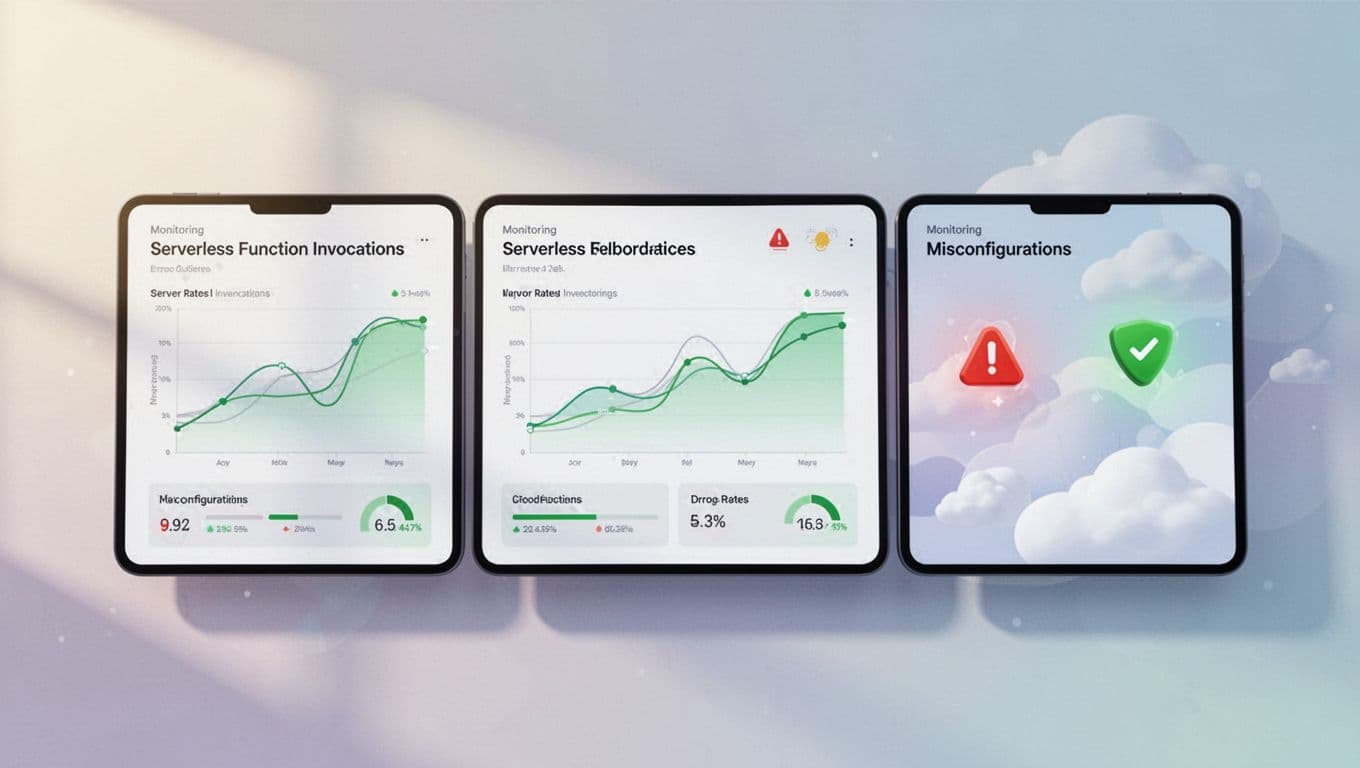
CTEM uses this data. Discover from traces. Prioritize anomalies. Validate with replays.
Serverless protection recommendations list must-haves. Enable auth on functions. Set concurrency limits.
Steps: Configure extensions. Lambda Insights adds metrics. Parse logs for secrets. Alert on 4xx spikes.
Gaps persist. Sampling misses bursts. Pair with X-Ray traces. See full invocations.
In 2026, AI parses logs. Spots anomalies humans miss. CTEM mobilizes auto-scales down on threats.
Example: Error spike in Function. Logs show SQL injection tries. CTEM validates, blocks source.
Implementing the CTEM Cycle in Serverless
Gartner’s CTEM loops five steps. Tune for serverless.
Scope. Pick critical functions. Map to data flows. Include shadows via cloud APIs.
Discover. Run EASM. Query AWS Config. Find undeclared Lambdas.
Prioritize. Score by exploitability. Internet-facing? High. Use business impact.
Validate. Pentest top 10%. Simulate invokes. Check chains.
Mobilize. Auto-fix perms. Notify devs. Repeat weekly.
Automation shines. Lambda scans itself. EventBridge triggers remediations.
Step-by-step CTEM for AWS and Azure details scripts.
Start small. One app’s functions. Scale out. Metrics drop MTTR to hours.
Challenges: Ephemeral assets. Solution: API polling. Noise from scans. Fix: Validation cuts 84%.
Tooling Considerations for Serverless CTEM
Pick tools that fit clouds. Wiz or Orca map surfaces. IONIX handles dynamics.
Native first. AWS GuardDuty detects runtime threats. Azure Defender scans configs.
Integrate CTEM platforms. Vectra prioritizes. AccuKnox runtime checks.
Avoid silos. One pane views Lambda and Functions. APIs feed the cycle.
Cost matters. Serverless bills per invoke. Tools add little overhead.
Azure Functions security best practices stresses RBAC tools.
Test free tiers. Pilot on prod data. Measure alert reduction.
For talent gaps, Book a Discovery Call with Bud Consulting. They place cloud security experts.
Conclusion
CTEM transforms serverless security. You scope fast, discover shadows, prioritize real threats, validate exploits, and fix loops.
Focus beats overload. Teams cut noise by 84%. Breaches drop as reachability rules.
Apply these steps now. Your functions scale safe. Risks stay managed.