table of contents
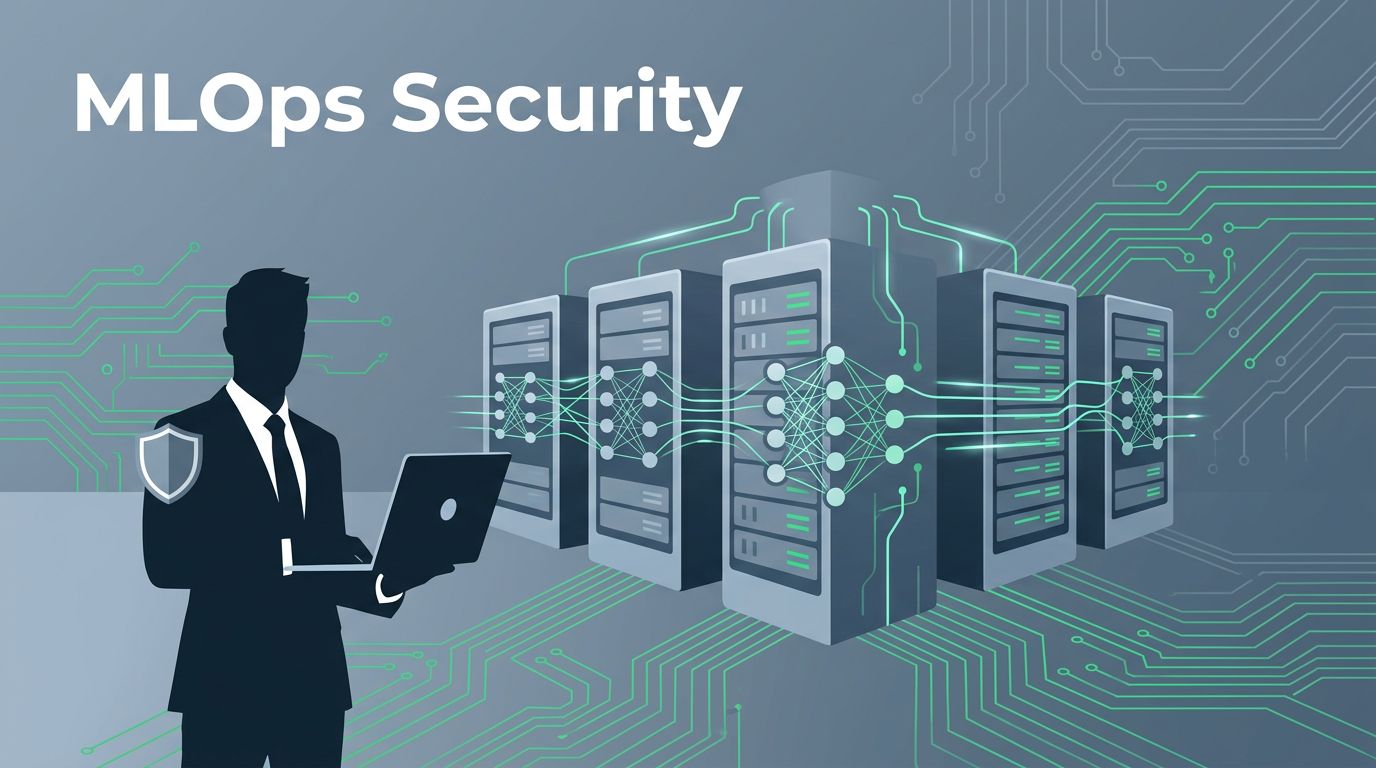
Your AI models power key decisions. One breach in the MLOps pipeline could expose sensitive data or poison training sets. As threats grow, teams need experts who secure machine learning operations from data ingestion to production deployment.
Hiring an MLOps security specialist protects your infrastructure. These pros handle adversarial attacks, compliance, and supply chain risks. They fit right into scaling ML teams.
This guide walks you through the process. You’ll get clear criteria, job description tips, interview strategies, and more to land the right talent fast.
Why Hire an MLOps Security Specialist in 2026
AI adoption hits 87% of companies in production. Yet weak monitoring leaves 45% vulnerable. Hackers target data poisoning and model inversion attacks. Edge devices add new risks with OTA updates needed.
Regulations tighten too. The EU AI Act demands audit trails and bias tests for high-risk models. US states push algorithmic accountability laws. NIST guidelines require model risk frameworks. Fines reach 6% of global revenue without compliance.
An MLOps security specialist bridges these gaps. They integrate security into pipelines like Kubeflow or Vertex AI. Expect automated checks for drift, bias, and poisoning. This cuts incident resolution time by 30%.
Without one, your ML stack stays exposed. Supply chain compromises in tools like npm steal credentials. Specialists enforce zero trust and continuous monitoring.
Bud Consulting helps firms like yours fill these roles. They specialize in hard-to-fill security positions.
Key Skills and Qualifications to Look For
Look for hands-on experience with modern MLOps stacks first. Candidates should know Kubeflow, MLflow, and Prometheus for drift detection. Familiarity with Seldon or KServe helps secure deployments.
Security-specific skills top the list. They need expertise in adversarial robustness using tools like ART. Data poisoning defenses and PII scanning in datasets are essential. Prompt injection guards for LLMs matter too.
Compliance knowledge sets them apart. They handle EU AI Act classifications, NIST RMF, and HIPAA for healthcare data. Automated bias tests and explainability checks become routine.
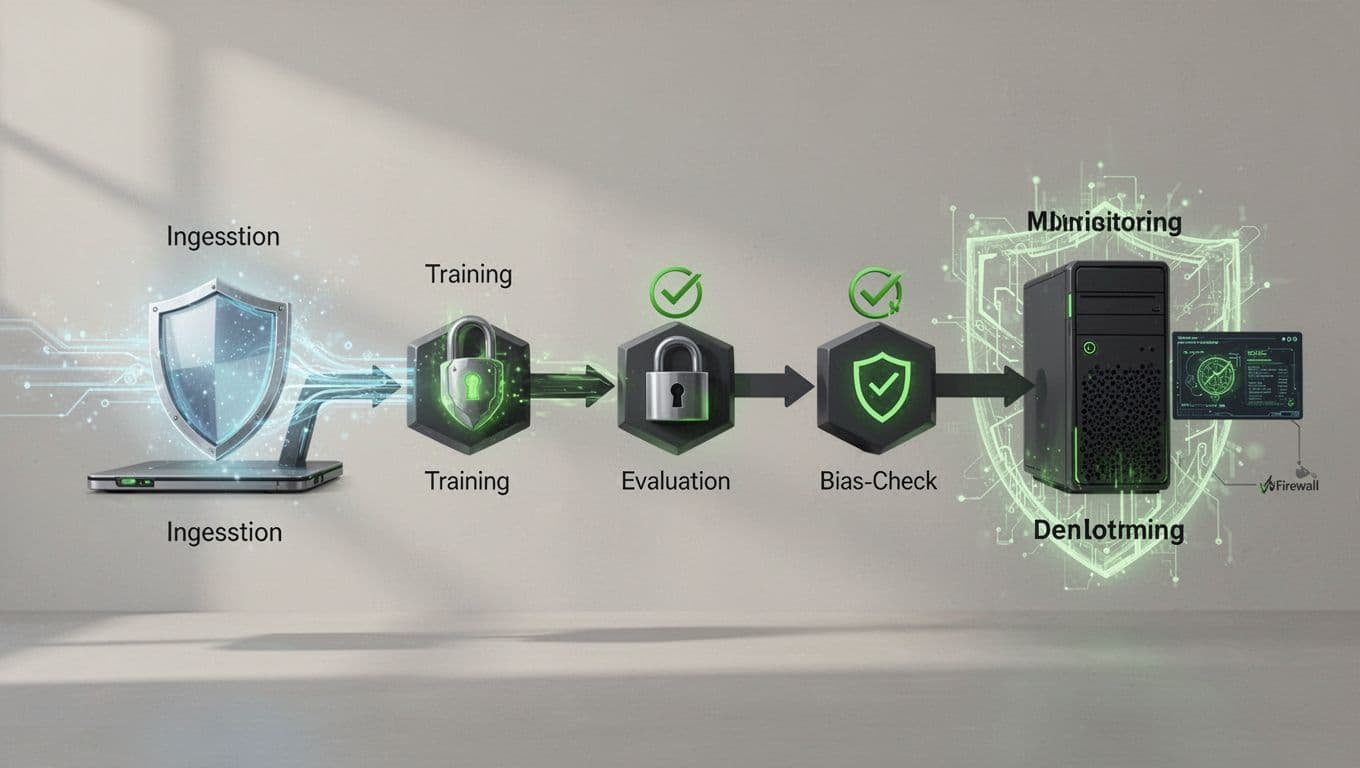
Check for cloud skills in AWS SageMaker, GCP Vertex AI, or Databricks. IaC with Terraform secures infrastructure. CI/CD gates using SLSA or Sigstore verify artifacts.
Soft skills count. They collaborate with data scientists and DevOps. Strong communicators explain risks to executives.
Verify certifications like CISSP or GCIH. Open source contributions to MLSecOps projects signal depth.
Must-Have vs Nice-to-Have Skills
Distinguish core needs from extras to speed hiring.
Must-haves protect your pipelines daily:
- Pipeline security: Input validation, model signing, rate limiting.
- Threat detection: Anomaly scoring for poisoning or inversion.
- Monitoring: Prometheus alerts on drift and abuse.
Nice-to-haves enhance maturity:
| Category | Must-Have | Nice-to-Have |
|---|---|---|
| Core Security | OWASP AI model ops practices like auth and sanitization (OWASP Secure AI Model Ops Cheat Sheet) | AI red teaming with tools like Grafyn. |
| Tools | MLflow versioning, WhyLabs drift detection | Veritensor for PII in datasets. |
| Compliance | NIST AI RMF basics | ISO 42001 audits. |
| Experience | 3+ years MLOps/DevSecOps | LLMOps for agentic AI. |
Focus interviews on must-haves. Nice-to-haves come from training.
This table keeps your scorecard objective. It aligns with visualizing secure MLOps frameworks.
Sample Job Description Elements
Craft postings that attract qualified applicants. Start with the role’s impact: “Secure ML pipelines against poisoning and theft in production-scale systems.”
List responsibilities clearly:
- Build CI/CD guardrails for model validation.
- Implement zero trust across data, models, and infra.
- Monitor for adversarial inputs and drift.
Requirements mirror must-haves. Add: “Experience with Kubeflow + Prometheus stacks preferred.”
Include perks: Remote options, equity, learning stipends. Mention salary range upfront for transparency.
Tailor for your stack. Healthcare firms add HIPAA. Fintech stresses GDPR.
Post on LinkedIn, Indeed, and niche boards like AI Jobs. A strong JD cuts unqualified apps by half.
Where to Source Top MLOps Security Talent
Traditional boards work, but niche spots yield better. LinkedIn searches for “MLOps security” plus “Vertex AI” or “Kubeflow” find active pros.
Communities shine. Check Reddit’s r/MachineLearning, ML Discord servers, and MLSecOps Slack groups. Conferences like NeurIPS or Black Hat list speakers.
Recruiters specialize here. Firms like Bud Consulting handle vetting for cybersecurity gaps.
Freelance platforms like Upwork suit contracts. Filter for 4.9+ ratings and ML security portfolios.
Referrals beat all. Ask your data scientists. Offer $5K bounties for hires.
Track sources in your ATS. Aim for 20% referral rate.
Hiring Options: Full-Time, Contract, or Fractional
Match the role to your needs. Each has trade-offs.
Full-time builds long-term expertise. They own the full stack daily.
Contracts fill gaps fast. Use for audits or pipeline overhauls.
Fractional experts scale best for startups. They work 10-20 hours weekly across clients.

| Option | Pros | Cons | Best For | Cost (US, 2026) |
|---|---|---|---|---|
| Full-Time | Deep integration, ownership | High fixed cost | Scaling teams | $250K-$350K senior |
| Contract | Quick ramp-up, flexible | Knowledge loss | Projects | $150-$250/hour |
| Fractional | Expert access, low commit | Scheduling | Early stage | $10K-$20K/month |
Data shows contractors resolve 40% faster for spikes. Full-time cuts turnover risks.
Book a Discovery Call with Bud Consulting to compare options for your team.
Effective Interview Process and Scorecard
Screen resumes for 3+ years in MLOps security. Phone chats gauge fit in 15 minutes.
Technical rounds test pipelines. Ask: “Walk us through securing a Kubeflow training job against poisoning.”
Use a scorecard:
| Area | Questions | Score (1-5) | Weight |
|---|---|---|---|
| Technical | Design drift detection in production. | 40% | |
| Security | Mitigate prompt injection in LLMs. | 30% | |
| Compliance | EU AI Act steps for high-risk models. | 15% | |
| Culture | Past collab with data teams. | 15% |
Panel interviews add behavioral probes. Live coding on model signing beats theory.

Reference checks confirm impact. Total process: 4 weeks max.
Salary Expectations in 2026
US salaries reflect demand. Juniors earn $140K-$170K base. Mid-level hits $180K-$230K. Seniors command $250K-$350K plus bonuses.
Tech hubs add 20-30%. Skills in adversarial ML or compliance boost offers.
From postings, New York Life lists $147K-$211K for VP-level. Adjust for location.
Negotiate with equity or remote perks. Total comp includes 15-20% bonuses.
Benchmark against Glassdoor trends. Offer 10% above market to close fast.
Onboarding for Success
Day one sets tone. Pair the specialist with a data engineer buddy.
Week one: Access to pipelines, docs, and tools. Run a mock poisoning sim.
By month one: Lead a security audit. Document gates in CI/CD.

Quarterly reviews track wins like reduced drift alerts. Training on your stack builds speed.
This ramps productivity 50% faster.
Common Pitfalls and How to Avoid Them
Hire generalists by mistake. Insist on ML-specific security experience.
Ignore culture fit. They must gel with fast ML teams.
Rush offers without scorecards. Data shows structured processes hire 2x better.
Skip compliance checks early. Probe regulations in interviews.
Overlook tools like secure MLOps guardrails. Test integration knowledge.
Conclusion
Secure your MLOps pipelines with a specialist who knows 2026 threats. Focus on must-have skills like poisoning defenses and compliance. Use scorecards and tailored JDs to hire right.
Full-time suits scale-ups; fractional fits pilots. Salaries start at $140K but reward seniors well.
Act now. Strong hires prevent breaches and speed innovation. Your team stays ahead.