table of contents
Containers spin up and die fast in Kubernetes clusters. One wrong config or live exploit slips through, and attackers pivot to your crown jewels. You need workflows that spot threats as they happen, not just before deploy.
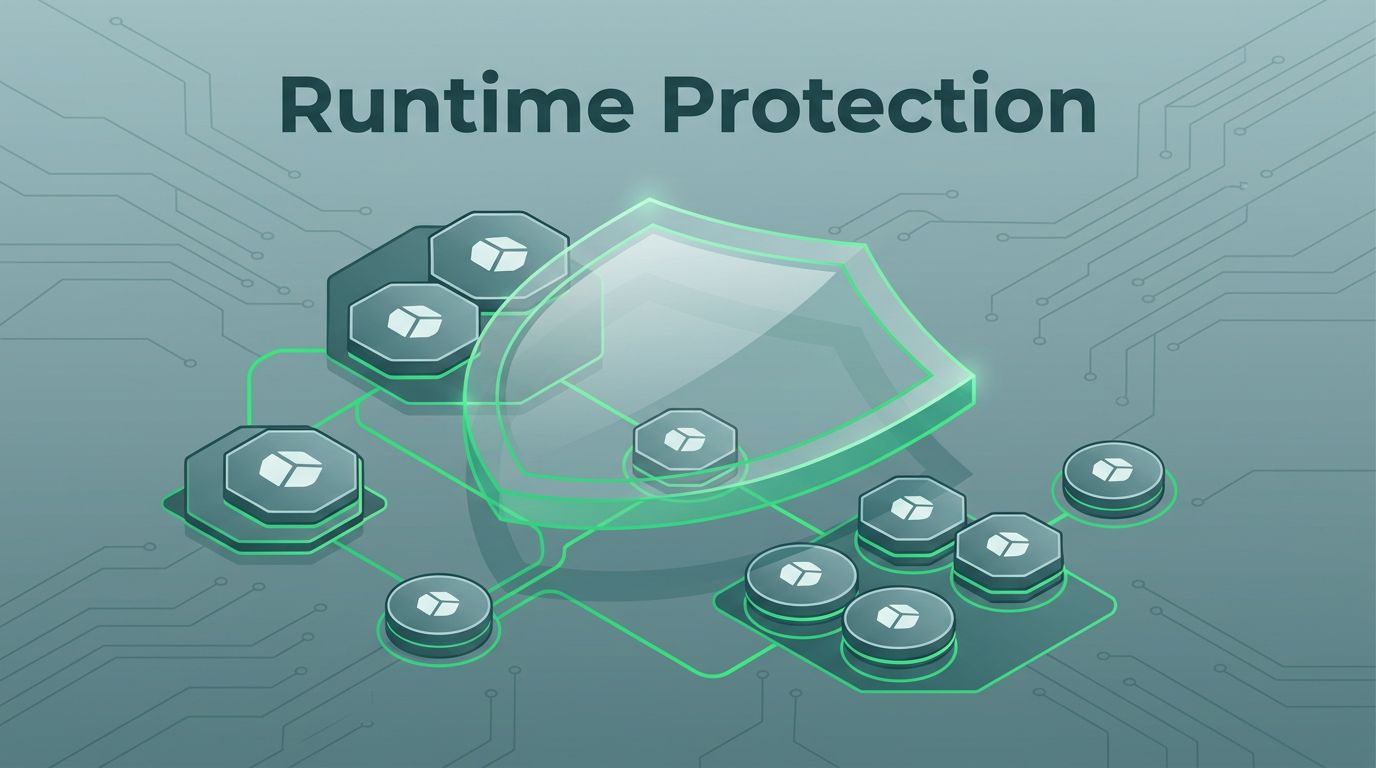
Container runtime protection fills that gap. It watches pods live for escapes, escalations, and odd behavior. Continuous Threat Exposure Management (CTEM) turns those detections into action. Teams cut breach risks by two-thirds with this cycle, per Gartner data from early 2026.
This post breaks down CTEM steps tailored for runtime defense. You’ll get workflows, examples, and metrics to track.
What CTEM Brings to Container Security
CTEM cycles through five steps: scope, discover, prioritize, validate, and mobilize. It shifts security from static scans to ongoing exposure management. For containers, this means bridging pre-deploy checks with live monitoring.
Kubernetes runtime threats hit after images pass scans. A clean image runs malicious code from memory or side-channel tricks. CTEM workflows layer runtime data on top.
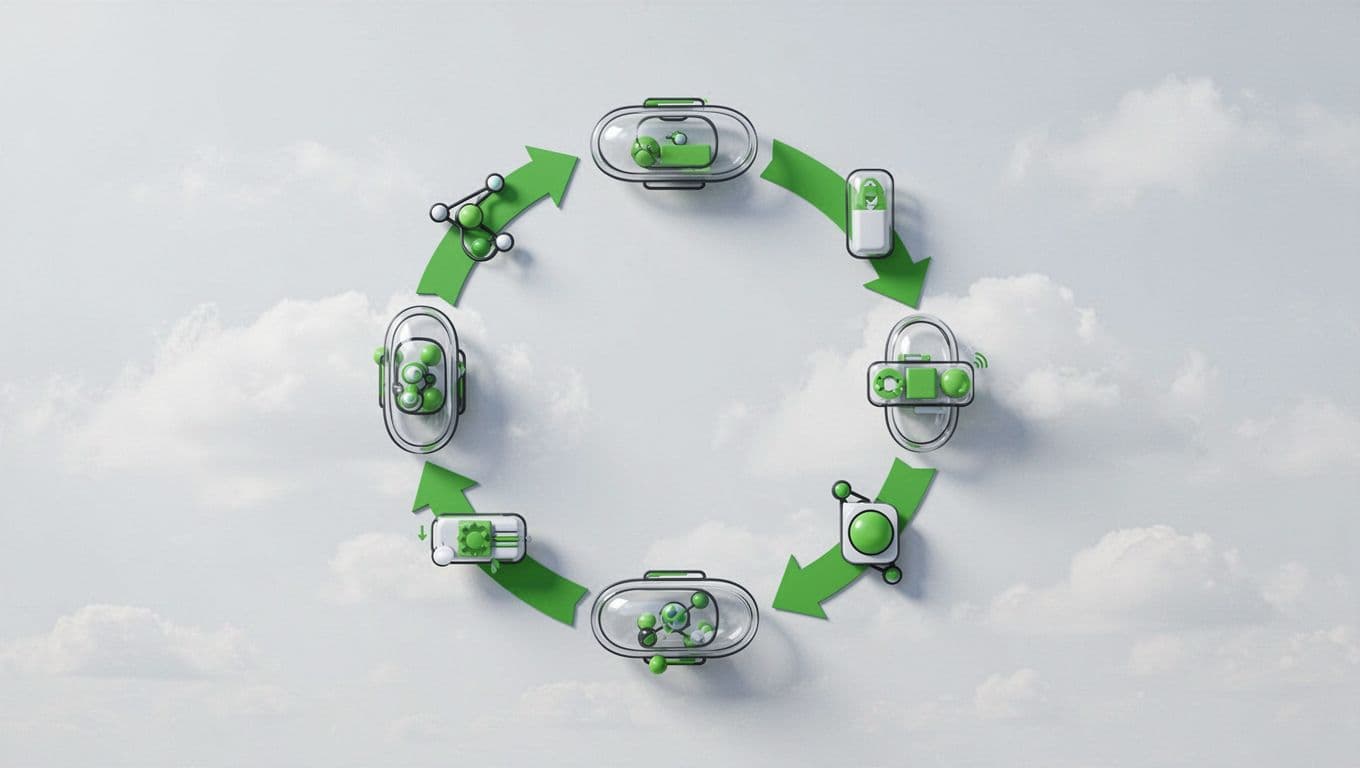
Traditional tools like CNAPP cover build-time and config posture. CSPM scans cloud infra. CWPP focuses on workloads. Runtime protection adds detection for active attacks. CTEM ties them together. You scope clusters first, then discover live assets.
Prioritization weighs exploitability over raw CVEs. Validation tests real attack paths. Mobilization pushes fixes to DevOps. Result? Faster mean time to respond (MTTR) under 24 hours.
Teams start small. Pick one namespace or cluster. Run daily cycles. Automate 80% of alerts. This beats point-in-time audits.
Fortinet outlines CTEM discovery for Kubernetes vulnerabilities well. It flags misconfigs alongside runtime drifts.
Mapping Container Runtime Threats
Runtime threats evolve quick. Attackers target pods post-deploy because scans miss them. Common ones include container escapes, privilege escalations, exposed kubelets, malicious processes, image drifts, and anomalous networks.
A container escape happens when code breaks host bounds. Think Dirty COW variants or kernel bugs. Privilege escalation grants root inside a pod. Exposed kubelets let remote code exec. Malicious processes mine crypto or exfil data. Image drift pulls unapproved layers. Anomalous connections phone home to C2 servers.
Preventative controls block these upfront. Network policies limit lateral moves. Admission controllers reject privileged pods. Pod security standards enforce read-only roots.
Detective controls watch live. Syscall monitoring flags unusual forks or mounts. eBPF traces network flows. Behavioral baselines alert on drifts.
Responsive actions isolate pods or kill processes. CTEM scopes these threats across your attack surface. You map assets first, then hunt specifics.
Google Cloud’s Container Threat Detection catches Kubernetes attack tools at runtime. It evaluates node changes and remote access.
Track incidents weekly. Count escapes attempted versus blocked. Aim for zero successful breaks.
Asset Discovery in Dynamic Environments
Discovery starts the CTEM loop. Kubernetes pods come and go. Ephemeral workloads hide shadow IT. You need continuous mapping of runtime assets.
Scope your clusters. Include nodes, pods, services, DaemonSets, and sidecars. Track processes inside containers, open ports, mounted volumes, and loaded libraries.
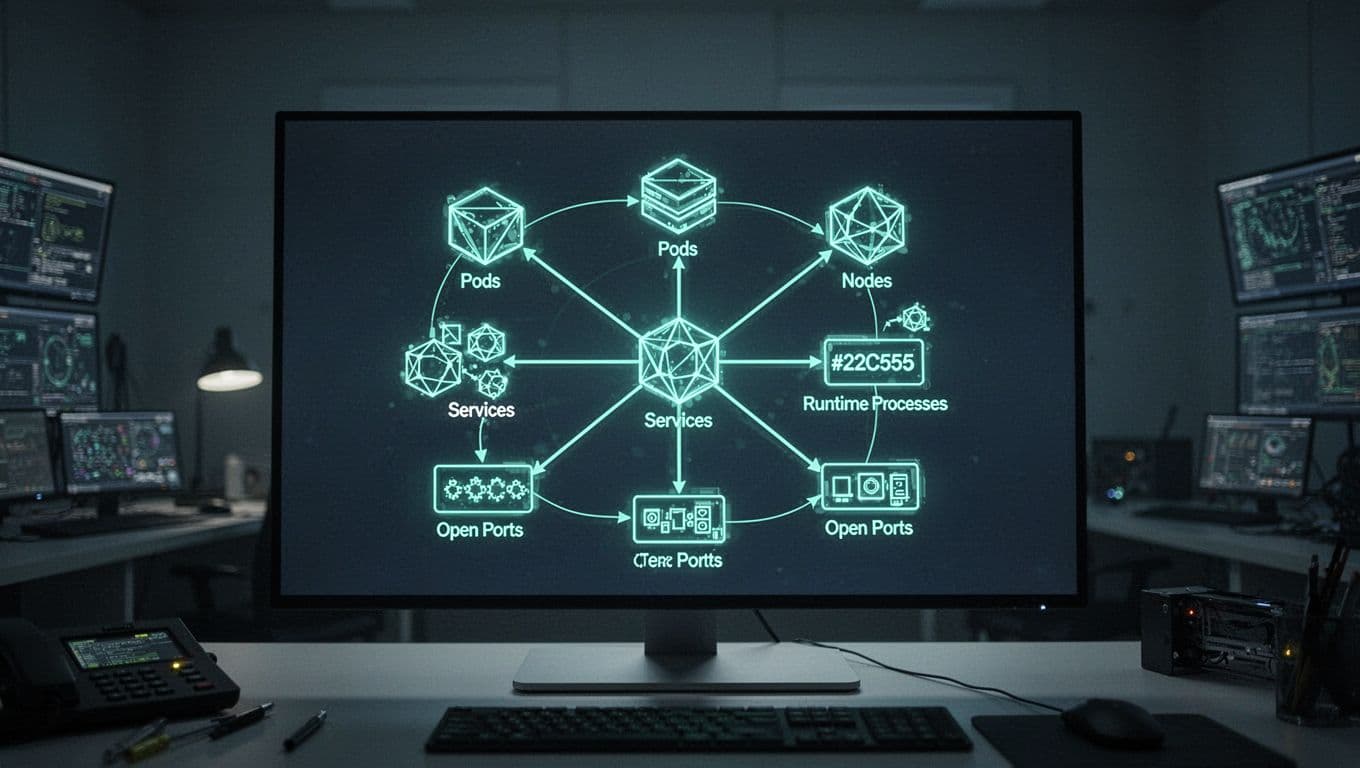
Runtime agents or eBPF collect this. They enrich static inventories with live context. A pod looks safe static but loads vulnerable code at runtime.
Workflow: Integrate with your SIEM. Pull kubelet metrics, container runtimes like containerd. Auto-discover via API servers.
CNTT guidance stresses container-aware runtime tools. Use namespaces for isolation, but dedicate clusters for sensitive workloads.
Challenges? Scale. Clusters hit thousands of pods. Filter noise with allowlists. Output to a central view.
Metrics: 95% asset coverage. Update inventory hourly. Tie to business owners for mobilization.
Prioritizing Exposures by Exploitability
CVEs flood in daily. You can’t fix all. Prioritize by runtime context and exploitability.
Factor blast radius, reachability, and active execution. A high-CVE pod behind network policy scores low. An exposed one with loaded vuln code scores high.
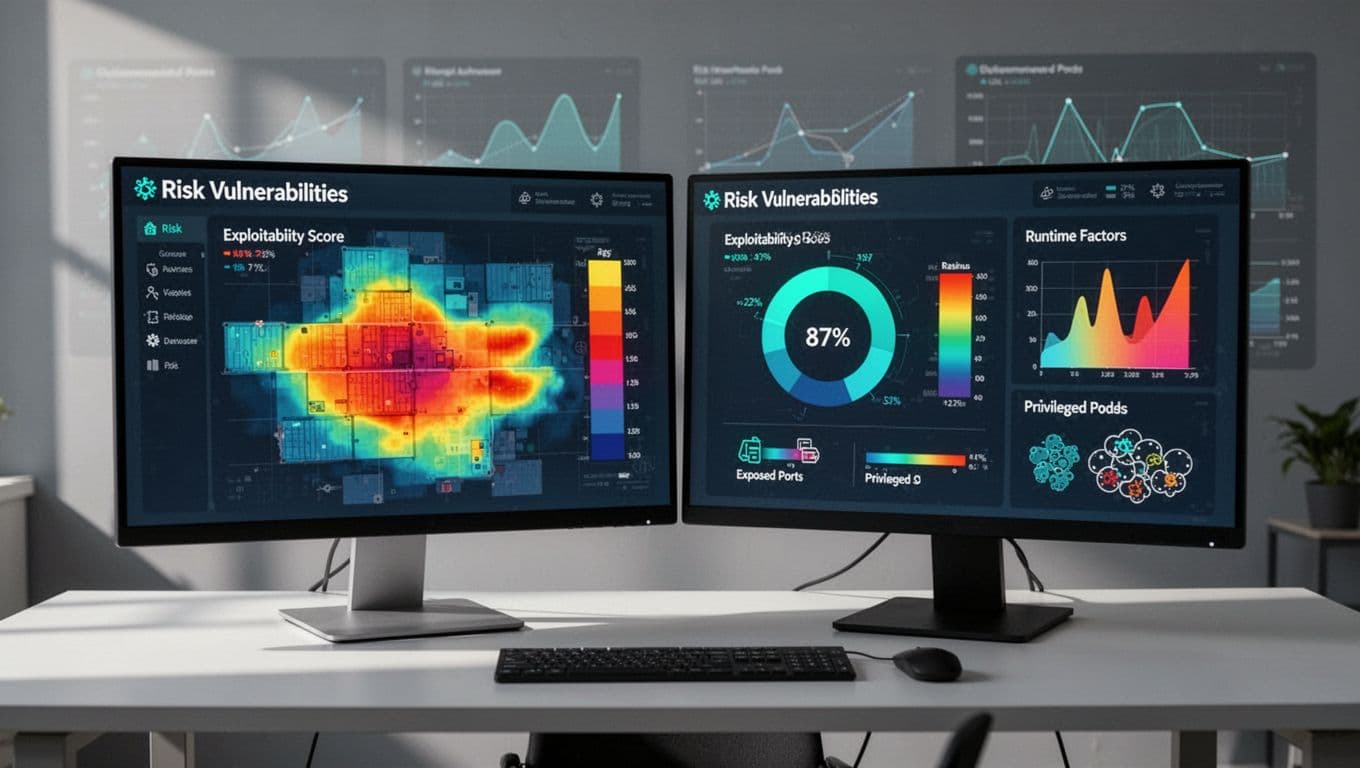
Workflows pull runtime data. Is the vuln reachable? Does the pod run privileged? Map to MITRE ATT&CK for tactics.
Spektion covers CTEM visibility gaps at runtime. It prioritizes via exploitability and blast radius.
Use heat maps. Top risks first: Escapes from public pods. Then escalations in critical namespaces.
Ignore patched CVEs or non-executable code. Focus on anomalies like unexpected binds.
Teams track prioritization accuracy. False positives under 20%. Remediate top 10 weekly.
Validating Risks Through Attack Simulation
Prioritized risks need proof. Validation tests if exposures lead to breaches.
Simulate attacks. Purple team runs red-team plays in staging. Tools mimic escapes or escalations.
Test paths: Exposed kubelet to pod takeover. RBAC gaps to cluster-admin. Network drifts to lateral moves.
eBPF or agents replay traffic. Check if controls block. Network policies stop anomalous C2? Admission webhooks reject drifts?
Ktrust details CTEM for secure Kubernetes. It automates validation across fleets.
Workflow: Trigger from prioritization. Score pass/fail. Feed results back to scoping.
Metrics: 80% validation rate. Coverage of top risks at 90%. Time from alert to test under one day.
Purple teaming builds confidence. SOC analysts verify without prod risk.
Mobilizing Remediation and Response
Validation confirms issues. Now mobilize teams.
Auto-triage alerts. Assign to owners via tickets. Policy-as-code blocks deploys.
Remediation examples: Rotate creds for exposed kubelets. Harden pods with seccomp profiles. Quarantine drifted images.
Cross-functional: Sec flags, DevOps fixes, platform engineers enforce.
Automation shines. Webhooks pause bad pods. Orchestrators patch clusters.
Realtime data shows tools like Vectra AI or ArmoSec handle runtime mobilization. Pick based on your stack.
Track MTTR. Target under 48 hours for criticals. Weekly reviews close loops.
Preventative shifts left. Runtime catches misses.
Integrating CTEM with Broader Cloud-Native Tools
CTEM doesn’t stand alone. Layer it on CNAPP for full-stack coverage.
CNAPP scans images and configs. CSPM checks IAM and buckets. CWPP adds host protection. Runtime protection detects live.
Workflow: CI/CD scans feed scoping. Runtime enriches prioritization. Validation tests integrations.
KSPM baselines configs. Drift alerts trigger discovery.
Example stack: Trivy for images, Falco for syscalls, OPA for policies. CTEM dashboard unifies.
Scale with multi-cluster. Hybrid clouds need unified views.
Metrics: Unified MTTR across tools. 70% automated remediations.
Bud Consulting helps teams build these. Book a Discovery Call with Bud Consulting to assess your gaps.
Measuring Success and Iterating
Metrics drive improvement. Track per CTEM stage.
| Metric | Target | Why It Matters |
|---|---|---|
| Asset Coverage | 95%+ | Ensures no blind spots in dynamic pods. |
| Prioritization Accuracy | <20% false positives | Focuses teams on real threats. |
| Validation Rate | 80%+ | Confirms exploitability. |
| MTTR for Criticals | <48 hours | Speeds breach prevention. |
| Automation Rate | 80%+ | Scales without burnout. |
Review weekly. Adjust scoping if coverage slips. Tweak scores on misses.
Iterate quarterly. New threats like 2026 kernel flaws demand updates.
SOC analysts dashboard these. Platform teams own baselines.
Conclusion
CTEM workflows transform container runtime protection from reactive alerts to proactive defense. Runtime context prioritizes what matters, validation proves risks, and mobilization closes loops fast.
You cut exposures where they count most. Start with one cluster. Measure MTTR drops. Scale from there.
Strong runtime layers make Kubernetes safer. Your clusters stay ahead of attackers.