table of contents
Your company invests millions in AI models. These assets hold proprietary data and years of training. Yet thieves can steal them with ease. Boards face growing pressure to oversee this risk. In 2026, insider threats and API exploits make AI model theft a top concern. This briefing covers key threats, impacts, and steps you can take.
Recent reports show insiders cause 44% of cases, up 26% in two years. Departing engineers grab models as “career insurance.” Boards must ask: Does our oversight match the stakes? Let’s break down the realities.
What AI Model Theft Means for Enterprises
AI models are files packed with value. They include weights from training on sensitive data. Thieves copy this without touching raw inputs.
Internal models sit in your data centers. Fine-tuned versions adapt open-source ones to your needs. Partner APIs expose models through queries. Each type carries theft risk.
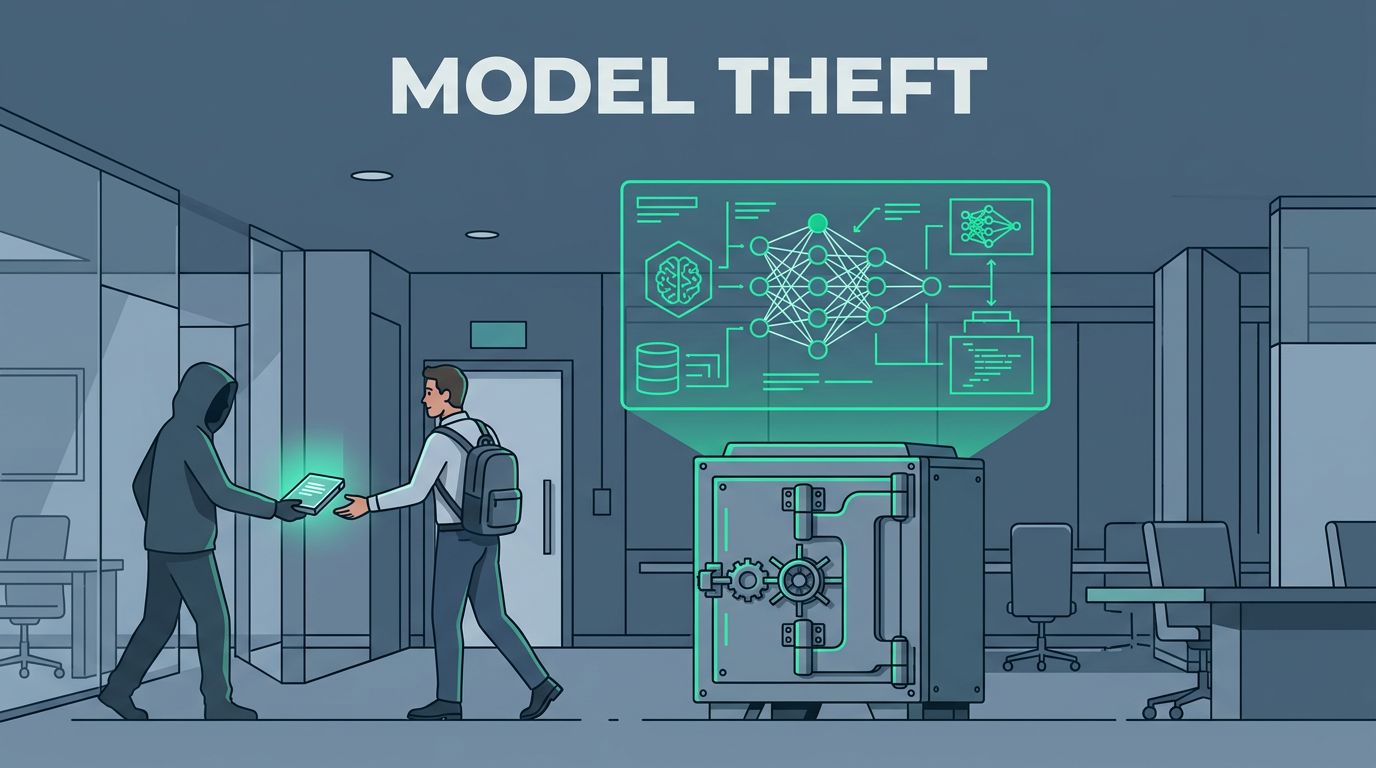
Consider a machine learning engineer who quits. They download a support model on their last day. No alerts trigger because tools miss single-file grabs. Dark web sales follow.
This differs from data breaches. Attackers query APIs to reconstruct models. Or insiders export files directly. Enterprises often lack tracking for these moves.
Financial loss hits hard. Models cost millions to build. Theft erases that edge. Competitors gain your secret sauce overnight.
Boards set the tone here. Oversight starts with knowing your models’ value. Which ones drive revenue? Prioritize those.
Common Ways AI Models Get Stolen
Thieves use simple paths. Insiders access storage directly. They copy files during routine work.
API queries let outsiders extract weights. Attackers send crafted inputs. Responses reveal model behavior over time. This works on fine-tuned models too.
Partners pose risks. Vendors host your models. Weak controls there mean easy grabs. Shared APIs amplify exposure.

For details on attack methods, check model theft and extraction risks.
Real example: A 2026 Mimecast report describes an engineer downloading a customer model post-resignation. No flags because security focused on bulk data, not models.
External monitoring spots stolen models too late. Thieves deploy copies elsewhere. Early detection saves time.
Most cases blend accident and intent. Shared credentials during handoffs lead to leaks. Track access patterns instead.
Strategic and Financial Impacts
Theft hits strategy first. Your AI edge vanishes. Competitors undercut prices with your tech.
Financial toll adds up. Development costs run $1 million plus. Legal fights follow. Fines reach $250,000 to $5 million under laws like Texas’ Responsible AI Governance Act.
Litigation looms large. Shareholders sue boards for oversight lapses. Caremark claims argue directors ignored AI risks.
Reputational damage lingers. Customers question trust after leaks. Stock dips follow news.

See AI model theft risks and prevention for economic breakdowns.
Operational chaos ensues. Stolen models enable prompt injection elsewhere. Your systems stay vulnerable.
In 2026, 80% of firms fear AI leaks. Few act on model tracking. Boards bridge that gap.
Governance and Regulatory Pressures
Directors owe fiduciary duty. AI risks demand oversight. Boards supervise management on these threats.
Centralize governance. Form AI committees under board review. They assess models quarterly.
Regulations evolve. California whistleblower laws protect AI lapse reports since January 2026. Trade secret rules apply to models.
Fragmented rules mean self-protection first. Track IP in risk registers. Audit protections yearly.
Boards’ legal imperatives for AI risk outline oversight steps.
Litigation risk grows. Losses from theft trigger derivative suits. Prove diligence to defend.
Vendor contracts matter. Require their model controls. Align on NDAs and audits.
Third-Party and Vendor Exposures
Partners host 60% of enterprise models. APIs create backdoors. Queries from their side steal yours.
Fine-tuned models via cloud providers risk most. Shared environments leak through misconfigs.
Insist on controls. Rate limits on APIs. Watermark outputs. Monitor for extraction attempts.
Internal teams use third-party tools too. Fine-tuning on vendor platforms exposes weights.
Balance productivity and security. Block uploads to risky sites. Flag offboarding access.
Intellectual property protection in AI details maturity levels.
In 2026, mergers spike risks. Integrate vendor audits early.
Board and Management Checklists
Boards need quick tools. Use these to guide discussions.
Board Action Checklist:
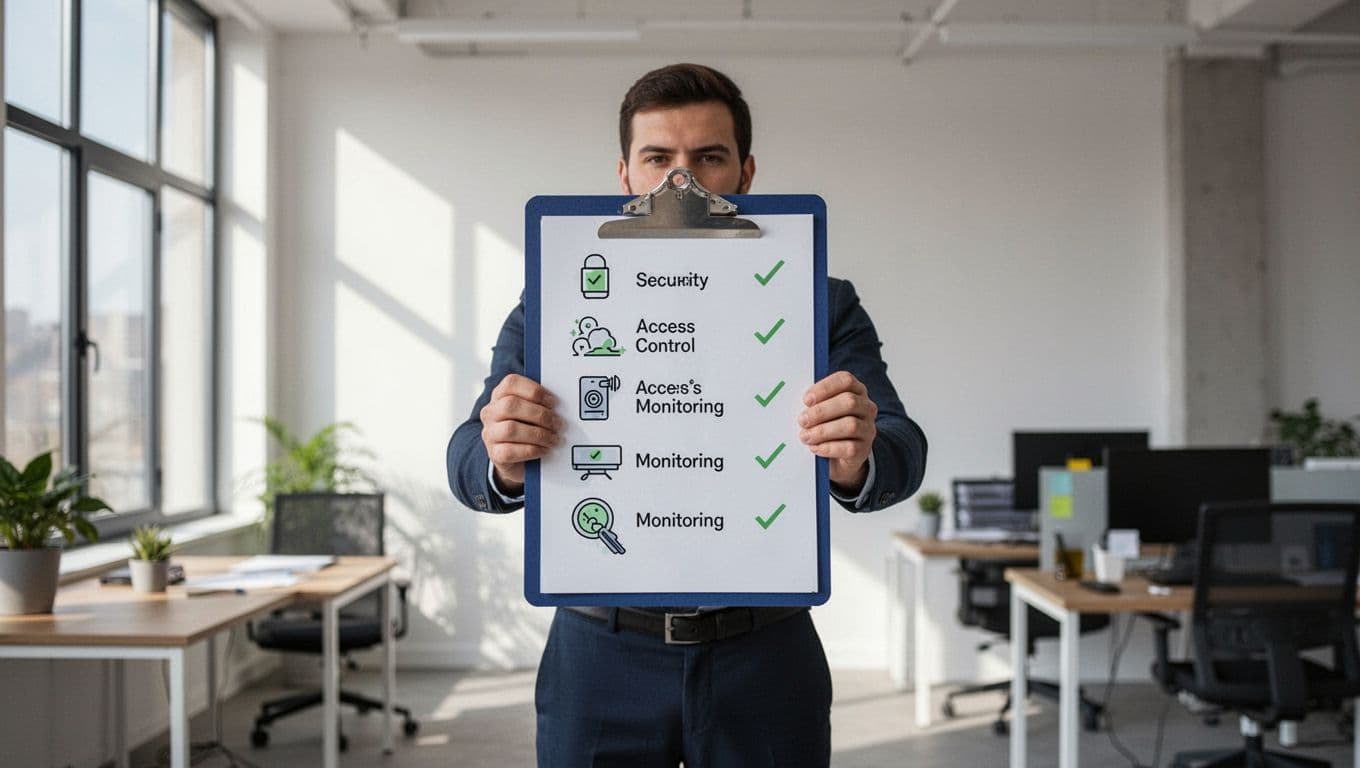
- Inventory high-value models quarterly.
- Review risk register for AI IP exposure.
- Approve red-team exercises on APIs.
- Audit vendor contracts for model controls.
- Track oversight metrics in reports.
Management handles details. Here’s their briefing list:
Management Briefing Checklist:
| Action | Owner | Timeline |
|---|---|---|
| Catalog all models with IP value | ML Lead | Monthly |
| Apply least-privilege IAM to storage | Security | Q1 2026 |
| Set API rate limits based on usage | DevOps | Immediate |
| Monitor downloads during offboarding | HR/IT | Ongoing |
| Run extraction simulations | Red Team | Quarterly |
These steps cut exposure fast. Context scores alerts: Who downloaded? When? After resignation?
For human risk insights, see the AI model heist state.
Ready to strengthen your posture? Book a Discovery Call with Bud Consulting.
Key Takeaways on AI Model Theft
Theft risks center on insiders and APIs. Boards protect value through oversight and checklists.
Financial hits and suits demand action now. Prioritize high-value models. Audit partners.
Strong governance builds resilience. Your models stay secure. Enterprises that act lead in 2026.
(Word count: 1482)