table of contents
Many organizations treat security training as a checklist exercise. They blast the same generic video content to the entire company once a year, hoping that basic password hygiene lessons cover every potential risk. This approach often leaves high-risk departments completely vulnerable. When training fails to address the specific dangers faced by finance, human resources, or procurement teams, it is not just ineffective; it is a missed opportunity to build a human firewall.
Most non-technical employees view these sessions as an interruption to their actual work. If a finance professional spends 30 minutes learning about password complexity but receives zero guidance on recognizing sophisticated invoice fraud, their department remains a prime target for attackers. Real security culture begins when you acknowledge that different roles face different threats. Shifting from a broad, static curriculum to a targeted, role-based strategy is the only way to turn employees into a primary defense layer.
The Problem with One-Size-Fits-All Training
Generic training creates a false sense of security. It gives leaders the impression that they have fulfilled their compliance obligations while ignoring the reality of modern attack surfaces. When an accountant or an HR manager sits through a presentation designed for a general audience, they find it irrelevant to their daily pressures. This disconnection ensures that the most critical information gets tuned out immediately.

Attackers study these departments with intense focus. They know the exact language an executive assistant uses, the typical format of a vendor invoice, and the cadence of payroll processing. If your training program does not expose these specific manipulation tactics, you leave your staff fighting invisible battles. Because these employees handle sensitive data, money transfers, and personnel records, they are the most attractive targets for social engineering.
High-Risk Departments and Targeted Threats
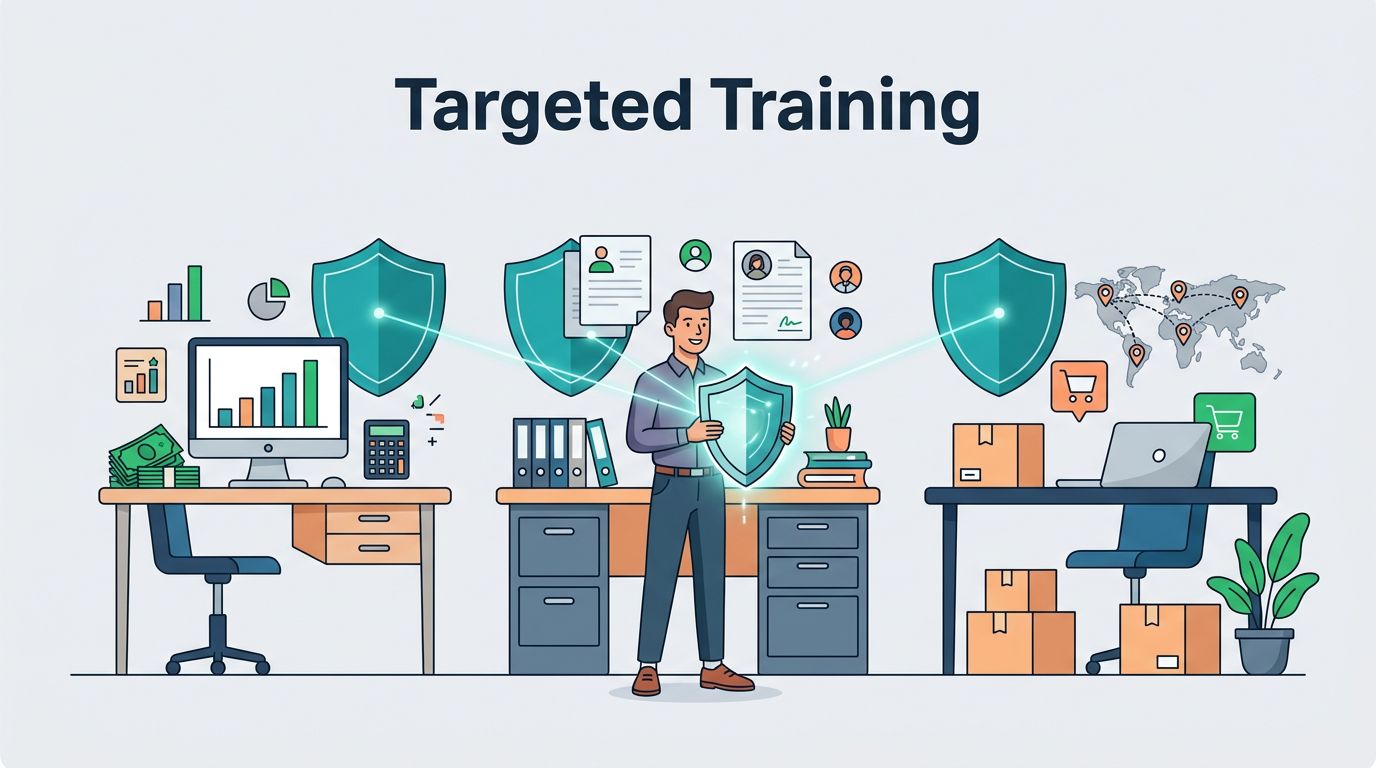
Different business units operate in distinct spheres of risk. Finance teams frequently face invoice fraud, where attackers impersonate trusted vendors to redirect payments. Meanwhile, HR departments are prime targets for phishing campaigns designed to steal employee tax forms or banking credentials. When a security awareness program does not explain these mechanics, it fails to provide the tools necessary to spot an anomaly.
Procurement departments represent another high-risk area. They manage complex supply chains and often interact with external partners who may already be compromised. An attacker posing as a known supplier can easily deceive someone in procurement if they have already mapped the relationship. Similarly, sales teams are susceptible to business email compromise (BEC) when they communicate with leads or potential clients. By tailoring content to the specific workflows and pain points of these departments, you move beyond abstract theory into practical, defensive preparation.
Making Security Relevant to Every Role
You improve engagement by connecting security principles to the daily tasks each employee performs. Instead of asking a salesperson to memorize complex password rotations, show them how a compromised account could destroy their relationship with a client. When you frame security as a tool that protects their hard-earned work rather than a hurdle to productivity, people pay attention.

Role-based training should center on the specific, real-world scenarios that employees encounter every day. For an HR representative, this might include a simulation of a request for internal personnel data. For a finance lead, it might involve identifying the subtle markers of a fake vendor request. This methodology creates a culture where employees feel empowered to verify communications rather than simply following automated processes. If you find your current efforts falling short, you can Book a Discovery Call with Bud Consulting to explore more effective strategies for your organization.
Building Sustainable Reporting Workflows
A strong security posture requires an easy way for employees to speak up. If reporting a suspicious email feels like filing a complex report, most people will just ignore the threat. The goal is to make reporting the path of least resistance. Create a simple workflow where employees can flag potential phishing attempts with a single click in their email client.
Effective reporting also requires feedback. If an employee reports a suspicious message, they deserve to know if they correctly identified a threat. This immediate validation loop reinforces positive behavior and builds confidence. It also provides your security team with better data regarding the types of attacks currently targeting your staff. When employees feel like they are part of a responsive team, they stay vigilant and motivated.
Metrics That Actually Measure Improvement
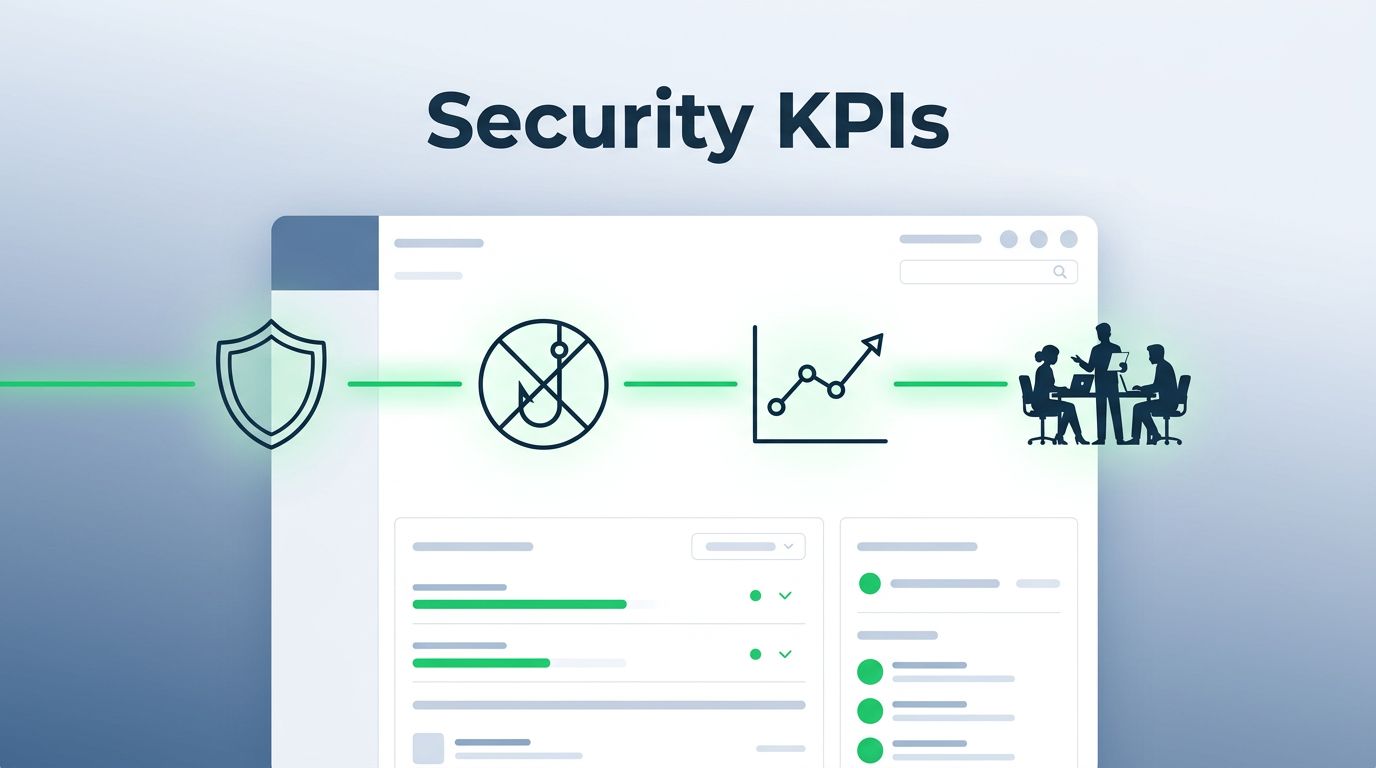
Many leaders measure success by the percentage of employees who completed a training module. This metric is largely vanity data, as it measures compliance rather than risk reduction. To understand if your program is working, you need to track behavioral metrics. These provide a much clearer picture of your actual defensive capability.
| Metric Type | Example Data Point |
|---|---|
| Reporting Rate | Number of employees who flag phishing emails |
| Resilience Rate | Number of clicks on simulated malicious links |
| Time to Respond | Average duration from receipt to report of a threat |
| Risk Reduction | Change in compromise attempts per department |
Monitoring these metrics helps you identify which departments need additional support. If one group consistently shows higher click rates on simulations, you know to adjust your messaging for them. You might discover that the finance team needs a specific workshop on verification procedures for external wire requests. Basing your adjustments on real data ensures your resources are directed where they will have the most impact.
Strengthening Security Culture
A mature security program goes beyond the classroom. It manifests in the way executives discuss data protection during team meetings and the way department heads prioritize verification over speed. When leadership models good security habits, it sets a standard for the rest of the company. It transforms security from a technology-only conversation into a core business value.
Reinforcement is equally vital. Regularly share successful stories of employees who prevented a potential incident. This public acknowledgment builds a sense of shared responsibility and pride. It moves the conversation away from the fear of being hacked toward the satisfaction of maintaining a secure environment. Consistency matters more than intensity. Short, frequent updates are far more effective than a massive, one-time overhaul of your internal policies.
Conclusion
The persistent gap between standard security training and the daily reality of non-technical departments is a significant vulnerability. By shifting to a role-based approach, you treat your employees as intelligent partners in your defense strategy. Tailoring content to match the specific risks of departments like finance, HR, and procurement turns a tedious compliance task into a practical skill set.
Real progress occurs when employees understand how their specific roles impact the company’s risk profile. When you combine this awareness with simple reporting tools and clear metrics, you build a sustainable culture of vigilance. Move away from generic training sessions and start addressing the actual, complex risks your team faces every day to keep your business secure.