table of contents
Most organizations treat security training as a checkbox exercise. They track completion rates, pat themselves on the back for hitting 100 percent, and then wonder why phishing incidents remain high. If you want to change behavior, you need to shift your focus. Real security awareness KPIs track actual risk reduction rather than just time spent in a learning management system.
Effective programs bridge the gap between abstract training and concrete actions. You should aim for metrics that reflect how people interact with your systems every day. When your data shows genuine trends, you can make informed decisions about where to invest your resources.
Moving Beyond Simple Training Completion
Many security leaders fall into the trap of using vanity metrics. Training completion percentages look great on a slide deck for executive reviews, but they rarely correlate with a lower breach risk. People can click through a slideshow while thinking about their lunch, yet still fall for a clever credential harvest.
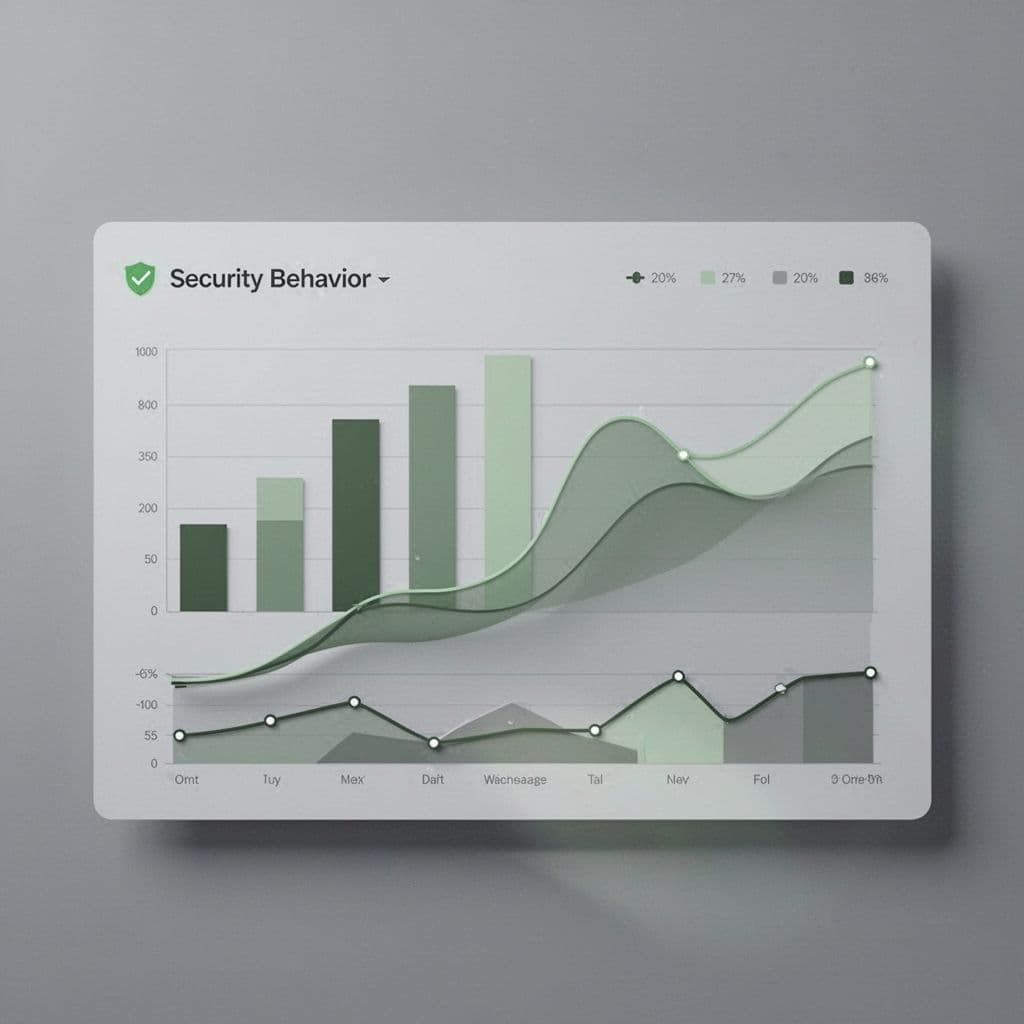
True security awareness metrics focus on observable human risk. If your team tracks phishing reporting rates, you move from measuring compliance to measuring defense. When users start identifying and reporting suspicious emails, they become an active part of your detection stack. This active participation provides far more value than a completed compliance module.
Focusing on behavioral indicators helps you pinpoint which departments need extra support. If one team consistently ignores training or falls for simulations, you can provide targeted interventions instead of punishing the entire company. This approach respects employees’ time and builds a culture where security feels helpful rather than obstructive.
Essential Metrics for Your Program
To build a robust measurement strategy, you need a mix of quantitative data and qualitative feedback. Start by establishing a baseline. You cannot know if your interventions work if you don’t know where you started. Comparing your current state against historical data will show the impact of your efforts over time.
Key Behavioral Indicators
- Phishing report rate: This tracks how often employees actively report suspicious emails. A rising trend is a strong signal of positive cultural change.
- Repeat offender rate: Identifying users who repeatedly click simulation links allows you to offer personalized coaching.
- Time to report: Measure how quickly users alert the security team after receiving a suspected phish. Faster response times significantly reduce the window of exposure.
- Risky behavior trends: Monitor patterns in how data is shared or stored. If people consistently use unapproved cloud storage, you have a specific awareness problem to solve.
You can read more about measuring security awareness effectiveness to ensure you track ROI properly. Remember to align these numbers with business outcomes. If your incident response team notices a decline in successful account takeovers, map that directly to your training initiatives. It makes a compelling case for continued investment.
Avoiding Common Measurement Traps
The biggest mistake is tracking too many metrics at once. When you measure everything, you end up with noise. Focus on three to five KPIs that directly support your most significant business risks. If your primary threat is credential theft, prioritize reporting rates and password hygiene over general awareness quizzes.
Another major error is creating punitive scorecards. If employees feel like they are being monitored for the purpose of discipline, they will hide their mistakes. A culture of fear leads to delayed reporting. You want your employees to feel comfortable coming forward when they make an error. Transparency is your most effective tool for stopping an incident before it spirals.
Avoid ignoring the context of your data. A sudden spike in phishing clicks might not mean the training failed. It could mean your attackers changed their tactics or the simulation was intentionally harder. Always look at the story behind the data before adjusting your strategy.
Creating a Sustainable Evaluation Cycle
A static security program becomes obsolete quickly. Use a recurring cycle to keep your metrics fresh and relevant. Start with a baseline, implement your training, measure the results, and then refine your approach. This creates a feedback loop that adapts to new threats as they emerge.
First, identify your top risks. If you are unsure where to start, you might need expert guidance to map your human risk profile. You can Book a Discovery Call with Bud Consulting to discuss how to structure your program around measurable outcomes. We help organizations identify critical skills gaps and optimize how they track human risk.
Next, set clear and realistic targets for your chosen KPIs. A goal should be challenging but achievable for your specific culture. If your reporting rate is five percent, aiming for fifty percent in one month is unrealistic. Aim for steady growth that reflects genuine learning and engagement.
Finally, review your results quarterly. Share these findings with leadership to show how behavior impacts overall security posture. When you demonstrate that your awareness efforts save time and reduce incident costs, you secure the buy-in necessary for long-term program success. Setting the right security awareness metrics is an ongoing process that requires constant attention.
Final Thoughts
Meaningful security awareness KPIs prioritize observable human actions over static completion data. When you shift your focus to metrics like reporting rates and incident trends, you begin to see a real impact on your security posture. Avoid the trap of collecting vanity data and focus on what actually reduces risk.
Building a security-first culture takes time and consistency. Use your metrics to guide your conversations and focus your training efforts where they matter most. By iterating on your data and keeping the process transparent, you transform your employees into your most reliable line of defense.