table of contents
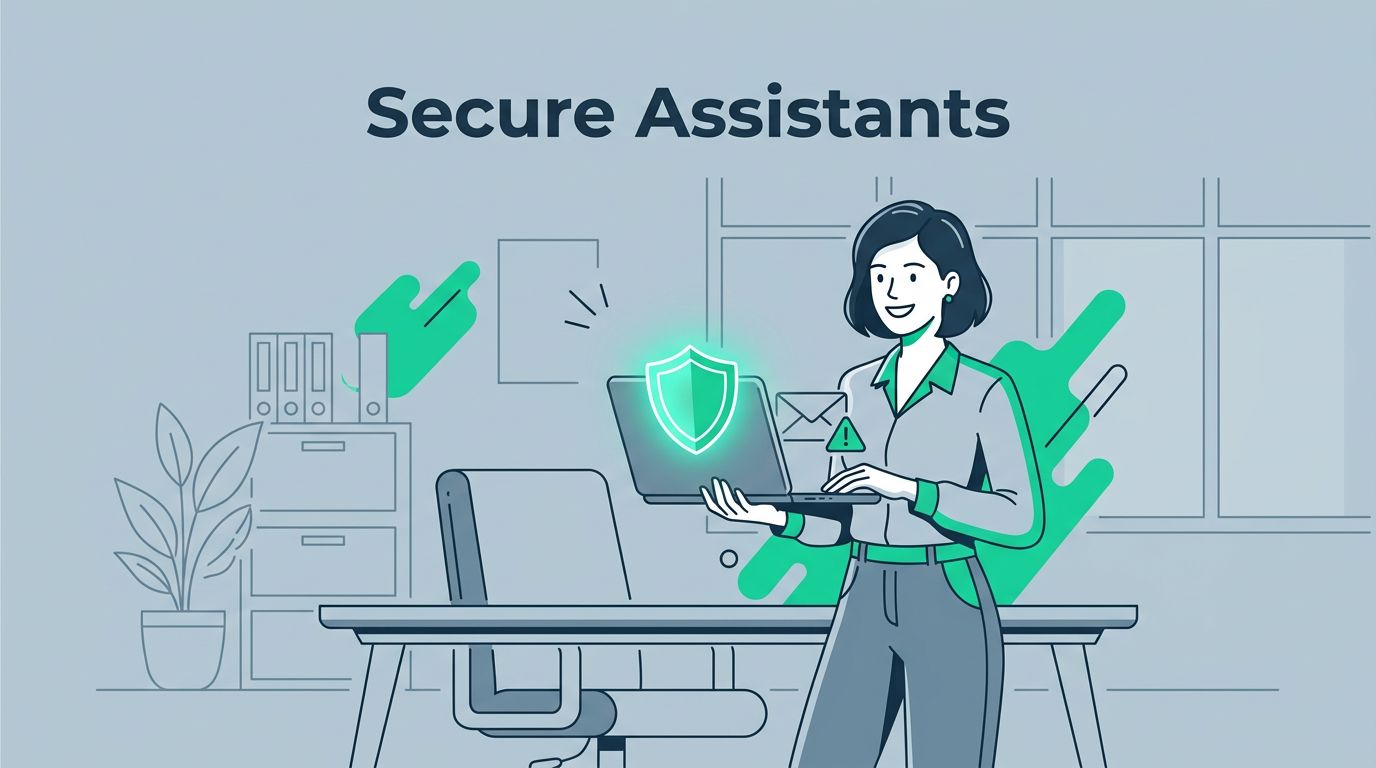
Executive assistants operate at the center of organizational communication. They manage schedules, facilitate payments, and handle sensitive data for top leaders. This visibility makes them primary targets for attackers who use impersonation and social engineering to bypass security controls. When an assistant falls for a deceptive request, the results often include financial loss or stolen confidential information.
Training your team requires more than generic security awareness modules. You must prepare them to identify the specific tactics attackers use against those who hold the keys to an executive’s digital life. By focusing on verification protocols and realistic drills, you can turn your administrative staff into a robust first line of defense.
Understanding the Threats
Attackers rely on the close relationship between an assistant and their executive. They study public profiles and social media to mirror the executive’s writing style, tone, and typical behavior. This preparation allows them to craft messages that feel legitimate, often creating a false sense of urgency or secrecy.
Common tactics include:
- CEO Fraud: The attacker pretends to be a high-level executive, requesting an immediate wire transfer or payroll adjustment.
- Gift Card Scams: Requests often arrive via email or text, asking the assistant to buy gift cards for “employee appreciation” or a client surprise.
- Urgent Wire Requests: These messages pressure the assistant to bypass standard accounting protocols because the executive is supposedly in a meeting or traveling.
- Account-Change Fraud: Attackers impersonate vendors or executives to change direct deposit information or bank account numbers for invoice payments.
For a deeper look into how these threats manifest, consult this guidance on preventing BEC attacks.

Building a Culture of Vigilance
Security awareness is a habit, not a one-time event. You should integrate targeted business email compromise training that explains why assistants are targeted and how their specific roles involve higher levels of risk. This training must highlight the importance of questioning unusual requests even when they appear to come from the person they support.
Empower your team by normalizing the act of verification. If an assistant receives a request that feels off, they must feel comfortable saying no until they can confirm the details through a secondary channel. Managers should explicitly state that questioning a request is a sign of diligence, not a failure of performance.
Essential Verification Protocols
Standardize your communication and payment workflows to remove ambiguity. Relying on an email for authorization is the most common point of failure. Establish clear, non-negotiable rules for sensitive tasks.
- Voice Verification: Require a phone call for any request involving a change in bank details or an urgent wire transfer. Call the executive on a known, verified number, not the one provided in the suspicious email.
- Two-Party Approval: Implement a mandatory dual-approval process for any payment outside of standard, pre-approved vendor cycles.
- Out-of-Band Confirmation: Use a separate platform, such as a secure internal messaging app or an in-person check, to verify sensitive data requests before processing them.
Running Realistic Simulation Exercises
Training manuals and lectures are rarely enough to prepare someone for the pressure of a real attack. You need to conduct recurring simulations that test how staff handle social engineering. These drills should mirror the types of requests that reach an assistant’s inbox, such as a “quick” request for a vendor payment or an urgent document request during a busy afternoon.
After a simulation, review the results immediately with the participant. Point out the specific red flags they missed, such as a subtle discrepancy in the sender’s email address or the manufactured sense of urgency. If you need support with this process, you can Book a Discovery Call with Bud Consulting to discuss tailored human risk programs.
Defining Your Verification Workflow
Clear procedures reduce the burden on your staff. When expectations are written down, there is no guesswork involved when a questionable message arrives.
| Request Type | Mandatory Verification Action |
|---|---|
| Wire Transfers | Confirm via voice call to known internal number |
| Payroll Updates | Direct physical verification with the employee |
| Vendor Bank Changes | Cross-reference with existing vendor contract file |
| Sensitive Data Sharing | Written authorization from the C-suite via secure internal channel |
Following these procedures ensures that every high-risk request undergoes an objective check. This structure protects the assistant from being tricked by attackers who manipulate them into skipping established safety steps. To see how these verification procedures stop wire fraud, review the strategies often used by security teams to harden their processes.
Measuring Success with KPIs
You cannot improve what you do not measure. Track your effectiveness by focusing on concrete metrics that reflect the health of your security culture. Start by monitoring the reporting rate of suspicious emails. A higher reporting rate often indicates a more alert and engaged team.
Focus on these key performance indicators:
- Simulation Success Rate: Track how many staff identify and report fake phishing emails during unannounced tests.
- Verification Adherence: Periodically audit whether assistants follow the mandatory callback protocol for financial requests.
- Response Time to Threats: Measure how quickly staff report suspicious activity to the IT or security department once they detect it.
Frequently Asked Questions
What is the most effective way to identify a spoofed domain? Look closely at the sender’s email address. Attackers often use slight variations that look like the real thing, such as changing one letter or using a different domain extension. Hover your mouse over the display name to see the actual email address before acting on any request.
Should I change my passwords if I suspect a compromise? Yes. If you suspect an email account is compromised, change the password immediately. Additionally, enable multi-factor authentication if it is not already active, as it provides a critical layer of defense that stops most unauthorized access.
How do I handle an urgent request when my executive is traveling? Travel schedules are common triggers for attackers. If an executive is unreachable due to travel, maintain your standard verification protocol. Do not bypass security controls just because an email claims they are in a meeting or on a flight. Wait until you have established secure, direct contact.
Can assistants get in trouble for blocking a legitimate request? No. It is always better to double-check a request than to process a fraudulent one. Legitimate executives value security. They will understand the extra step taken to protect company funds and data from bad actors.
How often should we hold BEC training? Schedule training at least twice a year for all staff, with more frequent drills for those in high-risk roles like executive assistants and finance teams. Consistent, short refreshers are more effective than long, infrequent training sessions.
Final Thoughts
Protecting your organization from business email compromise requires a focus on people, process, and practice. By clearly defining what constitutes a suspicious request and providing the tools to verify them, you eliminate the pressure that attackers rely on. When assistants know that checking a request is their primary duty, the risk of a successful compromise drops significantly. Maintain this focus through regular simulations and consistent policy enforcement to keep your defenses sharp.