table of contents
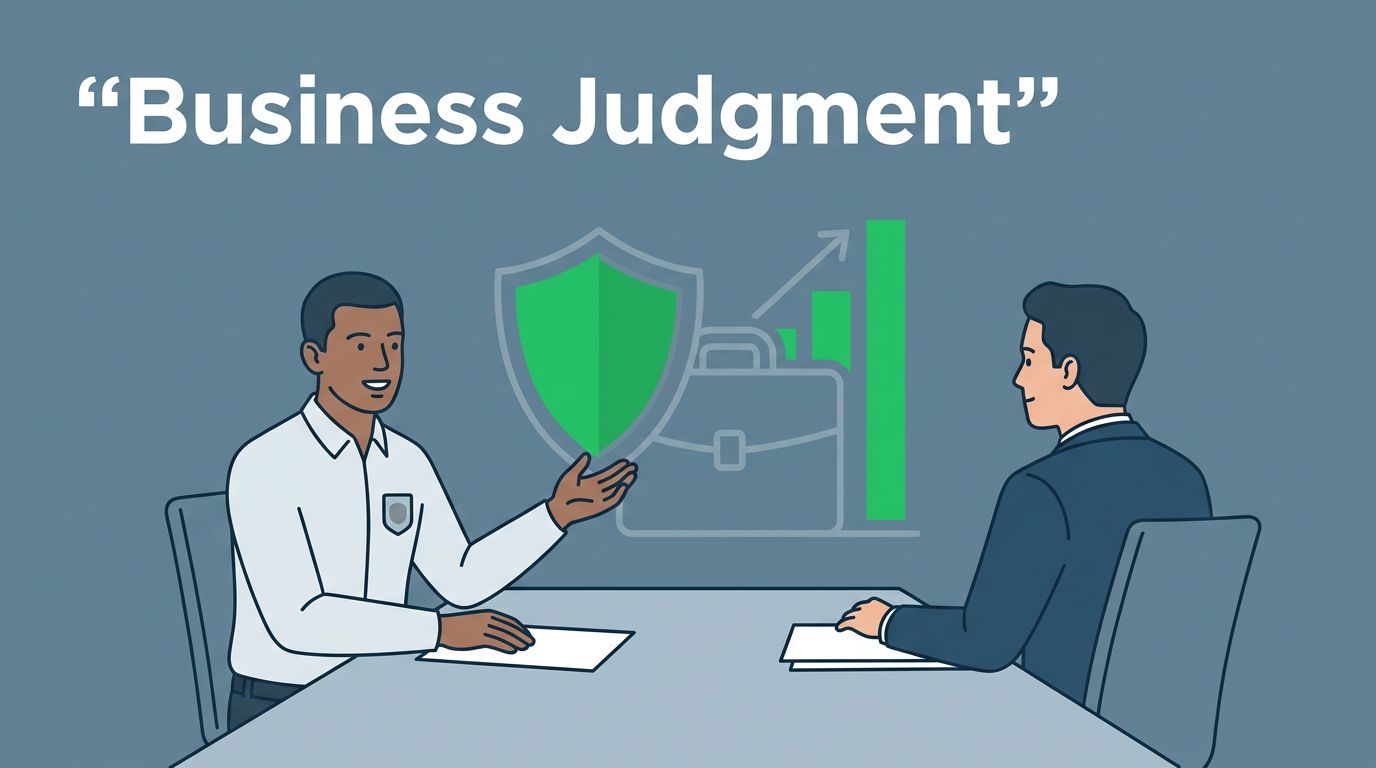
A strong security leader can talk about risk without hiding behind jargon. They can explain why a control matters, what it costs, and what business goal it protects. That matters because a CISO or VP Security often has to choose between speed, compliance, and resilience in the same meeting.
When you interview security leaders, you’re testing business judgment as much as technical depth. The best candidates know when to push, when to compromise, and when to ask for more data. The sections below show how to spot that difference fast.
What Business Judgment Looks Like in Security
Business judgment shows up when a candidate connects a security choice to money, time, and trust. A good leader does not only say what is unsafe. They explain what the business gains or loses if the team acts now, waits, or changes scope.
That framing matches the advice in Wiz’s CISO interview questions guide, which pushes hiring teams to look beyond technical credentials. It also lines up with Heller Search’s interview questions for CISOs who will grow the business, where the focus is on growth, not only defense.
Look for leaders who can rank risks by business impact. If they say “everything is critical,” they may lack a framework. If they can explain why identity risk comes before a nice-to-have tool rollout, you have a stronger signal.
Build Scenarios Around Real Tradeoffs
Scenario questions work because they force a choice. Use a situation that sounds like your company, such as a product launch, a cloud migration, or an audit deadline.

A simple scorecard helps you compare answers quickly.
| Area | Strong answer sounds like | Weak answer sounds like |
|---|---|---|
| Prioritization | “We fixed identity and internet-facing systems first because they had the largest blast radius.” | “We tried to do everything at once.” |
| Stakeholder management | “I brought product, legal, and finance into the same decision.” | “I sent an email after the decision was made.” |
| Uncertainty | “I used the best data we had, then set a review date.” | “I waited for perfect evidence.” |
| Budget | “I cut lower-value work to fund the control that reduced the most risk.” | “I asked for more headcount.” |
The point is not a polished speech. It is a clear choice with a reason. If the candidate cannot explain the tradeoff, they probably do not own it.
The best answer rarely sounds perfect. It sounds measured, explainable, and tied to the business.
Questions That Reveal How They Decide
Ask questions that force tradeoffs, then keep probing until the thinking shows up. The first answer is often polished. The second answer usually reveals the real logic.
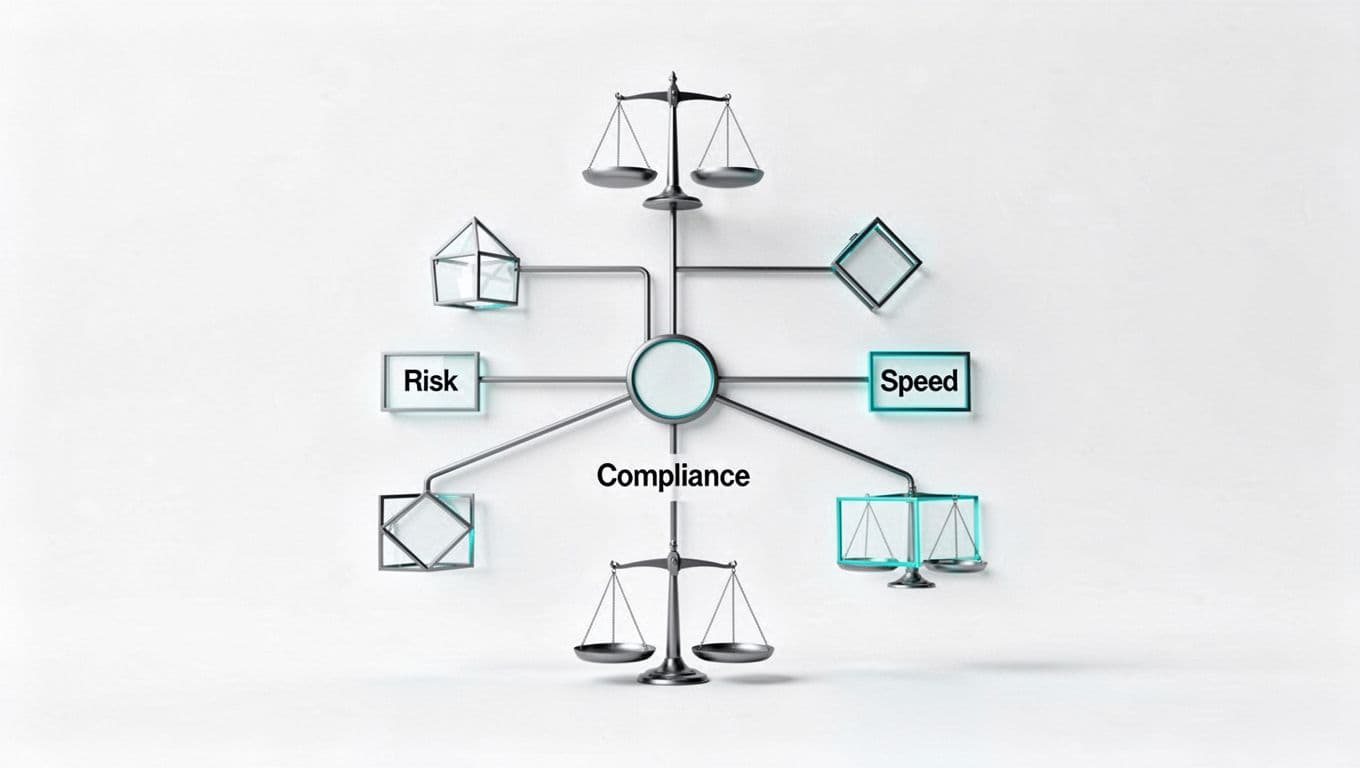
Here are four prompts that work well in a business interview:
- “A launch slips because a key control is missing. What do you do if sales says the delay will cost the quarter?” A strong answer names a temporary control, a time limit, and a review point.
- “Tell me about a time you approved risk you disliked. What changed your mind?” Listen for a specific reason, not a vague promise that someone else was comfortable.
- “If the board wants less risk and finance wants less spend, how do you answer both?” Good candidates speak in dollars, timing, and exposure, not security slogans.
- “AI tools are moving into security operations and product teams at the same time. How do you decide where to allow them and where to hold back?” For a current example of that tension, see TechTarget’s coverage of AI innovation and security risk.
A useful follow-up is, “What would make you change your mind?” That question shows whether the leader can adapt when facts change. It also reveals whether they treat security as a fixed rulebook or a business decision.
Score the Answers, Not the Performance
Great interviewers score the content of the answer, not the polish. A candidate can sound calm and still avoid the hard choice.
Business framing shows up when the candidate translates risk into customer impact, revenue, legal exposure, or time.
Tradeoff logic appears when they explain what they accepted, what they rejected, and why.
Stakeholder care is clear when they name the people who had to agree and how they handled disagreement.
Decision discipline means they set a rollback trigger, a review date, or an escalation path.
If you want a simple test, ask whether the answer can survive a boardroom recap. Could you repeat it in two minutes without losing the point? If not, the candidate may think clearly but communicate poorly, or they may not have a clear answer at all.
If you’re building a CISO or VP Security interview loop, Book a Discovery Call with Bud Consulting to sharpen the brief and the questions before candidates reach the final round.
Hire for Judgment, Not Just Coverage
When you interview security leaders, the real question is whether they can protect the business without slowing it to a stop. The best candidates show how they think under pressure, how they handle pushback, and how they change course when facts change.
That is the difference between a security manager who reports problems and a leader who helps make decisions. You want someone who can make the hard call, explain it clearly, and stand behind it without pretending the choice was easy.