table of contents
A SaaS product can pass review and still carry risk in auth flows, APIs, and cloud settings. The difference often comes down to product security manager skills.
This role sits between delivery speed and customer trust. It needs technical depth, calm judgment, and a clear voice with product and engineering teams.
In 2026, AI features, cloud-native stacks, and stricter security reviews raise the bar. Use this checklist to assess a hire, coach a manager, or spot gaps on your own team.
What a strong product security manager owns in a SaaS team
A strong manager does more than review tickets. They shape secure-by-design habits, read cloud-native architecture, and turn risk into work the team can finish. That hybrid scope lines up with Wiz’s product security engineer overview, which shows how security lives inside the build process.
Strong product security managers don’t wait for the last review. They shape the design before risk hardens into code.
| Skill area | Good performance looks like | Common gap |
|---|---|---|
| Secure-by-design thinking | Joins design reviews early and spots abuse cases | Security only appears before release |
| IAM and access control | Pushes MFA, SSO, least privilege, and access reviews | Shared admin accounts and stale access linger |
| API security | Checks auth, scopes, webhook validation, and token handling | Integrations ship with broad permissions |
| Threat modeling | Maps data flows and trust boundaries | One-time workshop, no backlog action |
| Vulnerability management | Prioritizes by exploitability and customer impact | Scanner noise piles up |
| DevSecOps collaboration | Puts security checks in CI/CD and gives fast feedback | Developers wait on a separate queue |
| Compliance alignment | Maps controls to customer asks and keeps evidence fresh | Audit prep turns into fire drills |
The strongest teams also want clear KPIs, because vague ownership creates repeat work. For a deeper hiring lens, compare your scorecard with this Product Security Manager role blueprint.
Threat modeling, vulnerability management, and DevSecOps are the daily test
These skills show up in the work that happens every week. They separate a manager who talks about risk from one who reduces it.
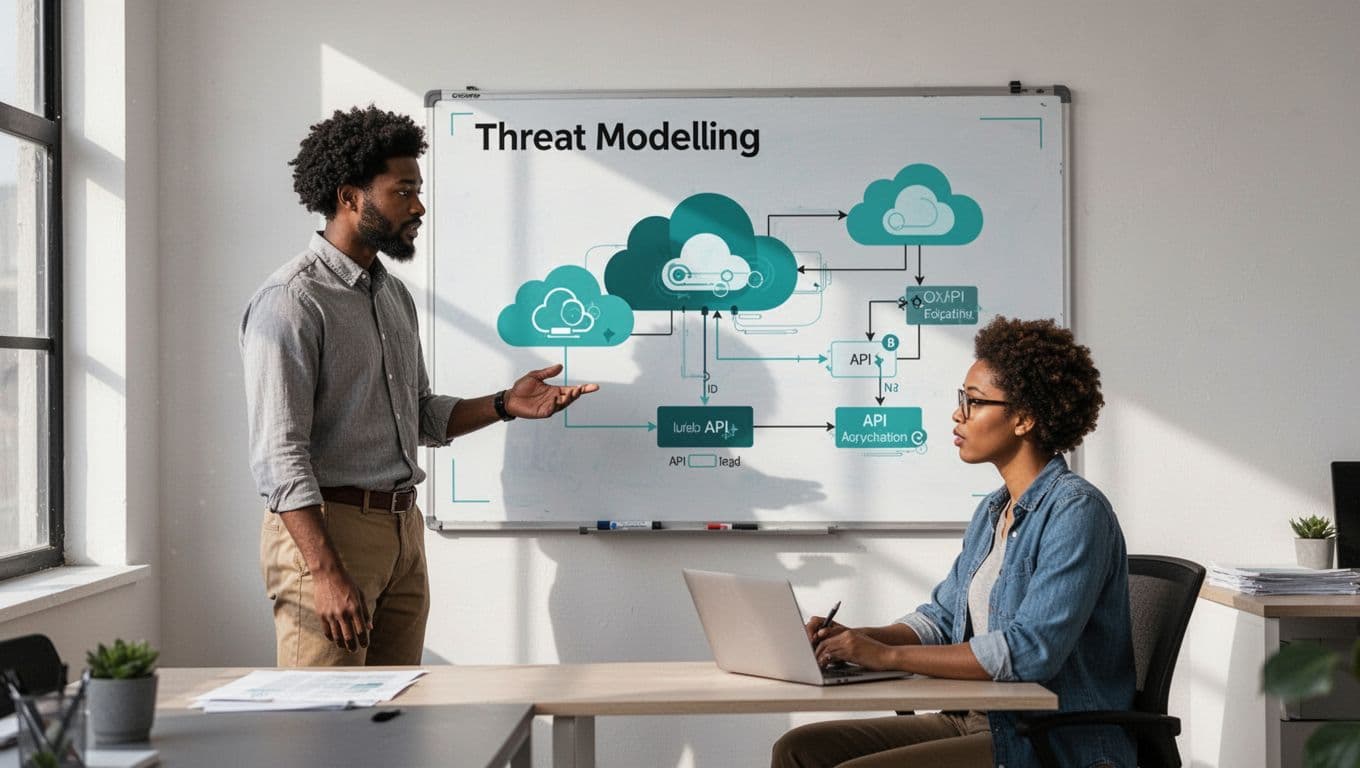
Threat modeling that changes design
A good manager can sit with product and engineering, sketch the user path, and spot where attackers will press first. Strong work ends with a backlog item, an owner, and a due date.
Common gaps include abstract diagrams, missing trust boundaries, and no follow-up after the workshop. That gap matters because the next release often repeats the same flaw.
Vulnerability management that fits SaaS release speed
SaaS teams ship fast, so the manager needs a clean triage model. Good performance means separating noisy scanner output from urgent issues, setting fix targets, and retesting before closure.
The usual miss is treating every finding the same. That drains time and hides the risk that matters. A practical SaaS security checklist helps the team keep this work tied to release gates and owners.
DevSecOps collaboration that reduces friction
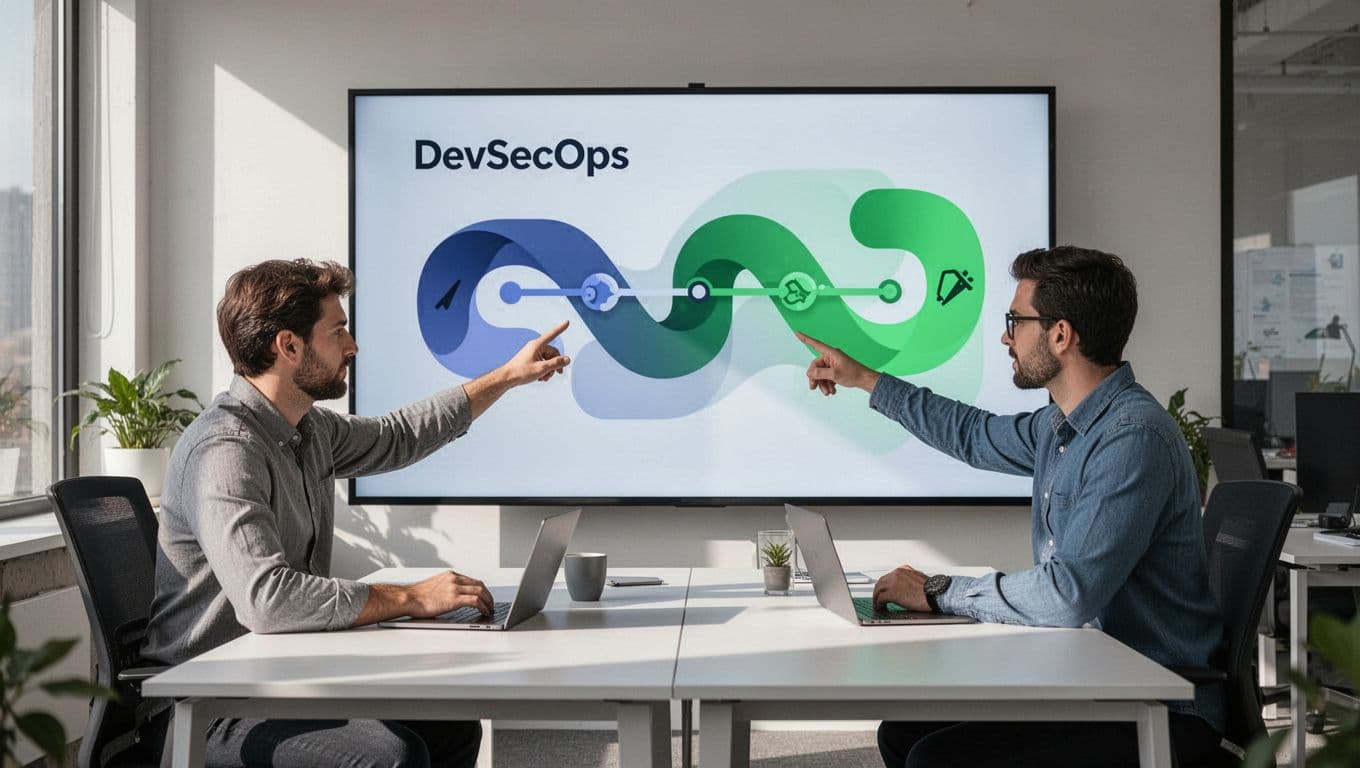
The best managers build trust with developers. They add security checks into the pipeline, then help teams interpret failures and fix them fast.
They know when automation is enough and when human review still matters. A common gap is a security team that acts like a review board. That slows delivery and gets bypassed. In good teams, security is part of the pull request, not a surprise at the end.
IAM, API security, and customer trust show whether the role is working
These are the controls buyers ask about, auditors ask about, and support teams feel when they break. In customer reviews, that discipline often matters as much as the control itself.
IAM that closes easy doors
Strong managers push MFA, SSO, least privilege, and clean offboarding. Good performance shows up in fewer standing privileges and faster access reviews.
Common gaps include shared admin roles, stale service accounts, and no plan for privileged access. In SaaS, weak IAM becomes a support problem as well as a security problem.
API security that matches cloud-native reality
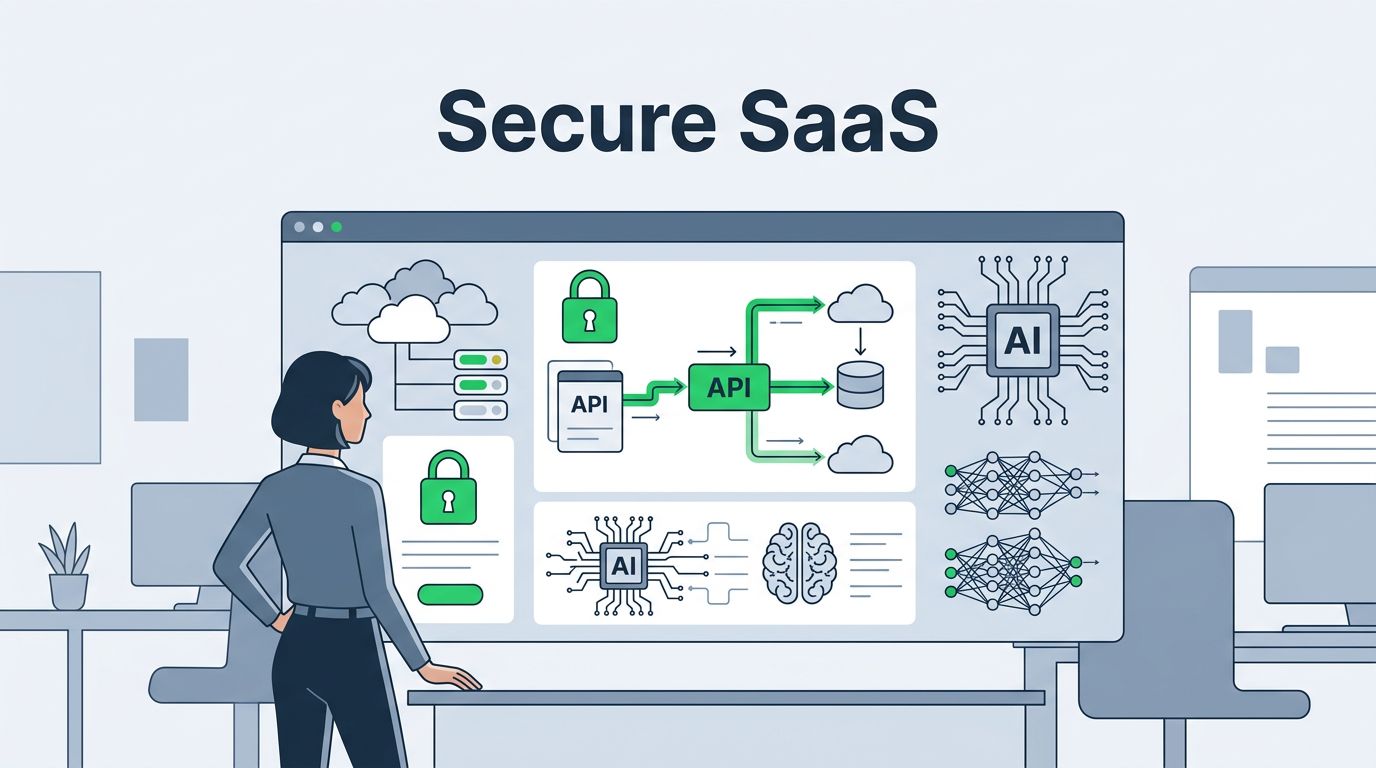
APIs are where SaaS products connect, so they need the same care as the app itself. Good managers review auth flows, token scopes, rate limits, and partner integrations.
They also watch for excessive permissions and unsigned callbacks. If your product includes AI features, the same lens should cover data retention, tool permissions, and prompt injection paths.
Compliance alignment that supports sales
Security work lands better when it helps customers trust the product. Strong managers map controls to SOC 2, ISO 27001, GDPR, or customer questionnaires, then keep evidence current.
Good performance means fewer last-minute audit scrambles. It also means sales teams can answer security questions without chasing three departments. If your team needs help comparing candidates or closing a skills gap, Book a Discovery Call with Bud Consulting.

The checklist that keeps releases safe
A strong product security manager makes the product safer by making decisions clearer. They reduce repeat risk, keep access tight, and turn findings into work engineering can finish.
If a candidate can walk through threat models, IAM, API scope, and follow-up after a vuln scan, the fit is strong. That is the kind of product security manager skills mix that supports SaaS growth without slowing delivery.