table of contents
Your procurement team negotiates deals every day. But one weak security clause in a vendor contract can expose your company to data breaches or compliance fines. In 2026, third-party risks hit record highs, so teams need skills to spot issues fast.
You handle sourcing and approvals. Yet most overlook security details amid tight deadlines. This guide shows you how to train your team practically. Start with core clauses, then build reviews and programs that stick.
Understand Key Contract Security Clauses
Procurement pros must know what makes a solid security clause. These protect your data and operations from vendor slip-ups. Focus on essentials like data protection first.
Data protection clauses require vendors to follow standards such as GDPR or SOC 2. They spell out how customer info stays safe. Look for specifics on encryption and storage limits.
Breach notification demands vendors alert you within 48 hours of incidents. Access controls limit who sees your data. Subcontractor rules force vendors to bind partners to the same terms.
Audit rights let you check vendor compliance yearly. Incident response plans detail their steps during attacks. Business continuity ensures they keep services running through disruptions.
Cyber insurance covers breach costs. Security standards mandate tools like multi-factor authentication. Termination rights allow quick exits if risks grow.

Red flags pop up often. Vague language like “best efforts” instead of firm timelines signals trouble. Missing cyber insurance or weak audit access? Escalate to legal right away.
Train teams to read these in context. For example, a cloud vendor contract without access logs leaves you blind to threats. Strong clauses align with your risk tolerance.
Spot Red Flags and Escalate Smartly
Weak clauses lead to real pain. A 2025 breach cost one firm $4 million because notification lagged. Your team can avoid that.
Start with a quick scan. Check if clauses match your industry needs. Finance teams need strict data protection; manufacturers prioritize business continuity.
Common red flags include no breach penalties, unlimited subcontractors, or audits only on vendor turf. Short termination windows trap you in bad deals.
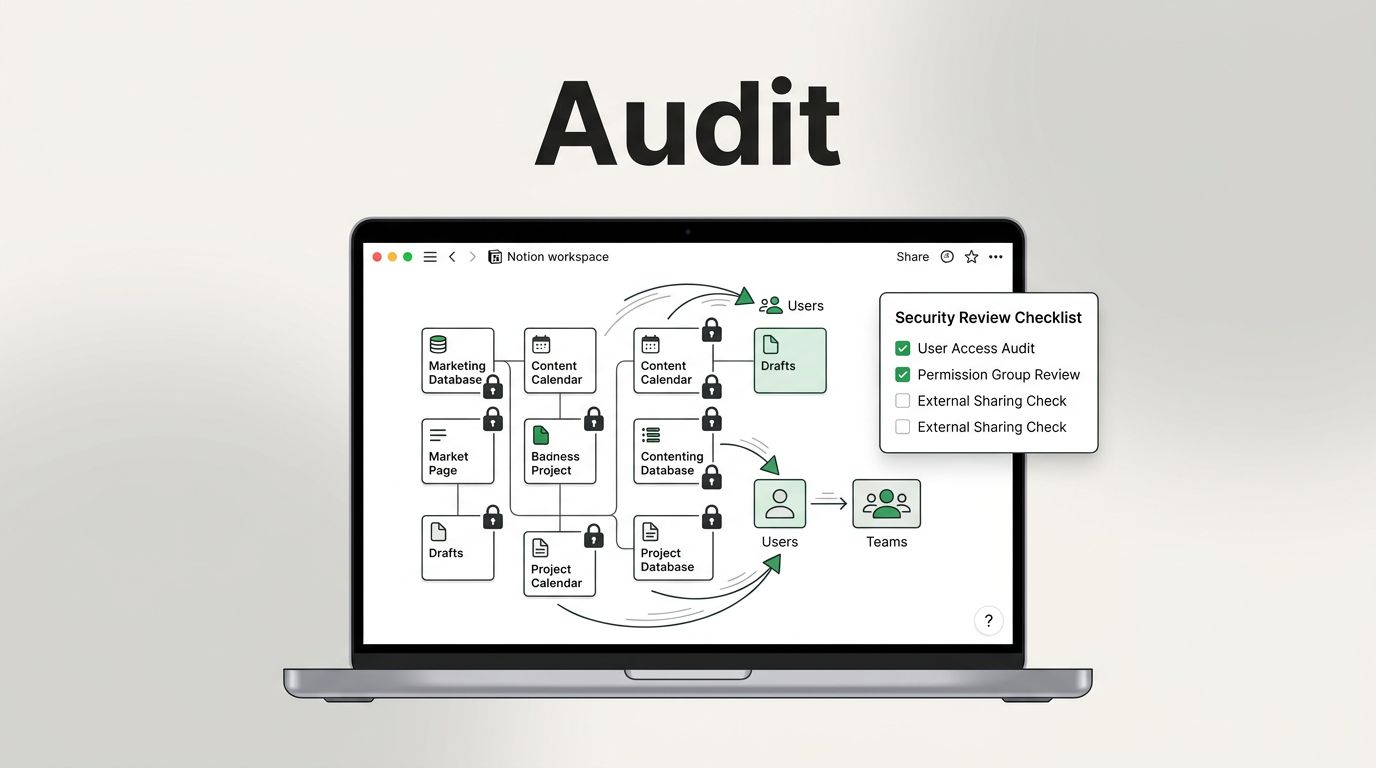
Use this checklist during reviews:
- Does data protection name your standards (e.g., ISO 27001)?
- Are notification times under 72 hours?
- Can you audit annually at their cost?
- Do they carry $5 million+ in cyber insurance?
- Termination possible for any breach?
If three or more fail, pause. Loop in security or legal teams. They assess technical fit.
For instance, a SaaS vendor skips incident response details. That’s a flag. Ask for their playbook before signing.
Practice makes this second nature. Role-play escalations in training. Teams learn when “no” protects the business.
Create Effective Training Programs
Build sessions that fit your team’s level. Beginners need basics; intermediates tackle negotiations.
For starters, use one-hour workshops. Cover clauses with real examples. Show a good vs. bad data protection section side-by-side.

Intermediates dive into red flags. Simulate reviews with timed exercises. Groups flag issues in sample contracts, then discuss escalations.
Mix formats for retention. Add quizzes on audit rights or videos of breach stories. Hands-on wins over lectures.
Tailor to 2026 risks. Highlight AI supply chain threats in subcontractor clauses. Track progress with pre-post tests.
Annual refreshers keep skills sharp. Assign mentors for new hires. Measure success by fewer escalations over time.
If your team struggles with volume, consider external help. Book a Discovery Call with Bud Consulting to build custom programs.
Build a Standardized Review Process
Consistency cuts errors. Create a step-by-step framework all teams follow.
First, initial scan: 15 minutes on security clauses. Flag basics like notification and insurance.
Second, deep dive: Check alignment with your policy. Use the checklist from earlier.
Third, escalate if needed. Security reviews high-risk vendors.
Fourth, approve or negotiate. Document changes.
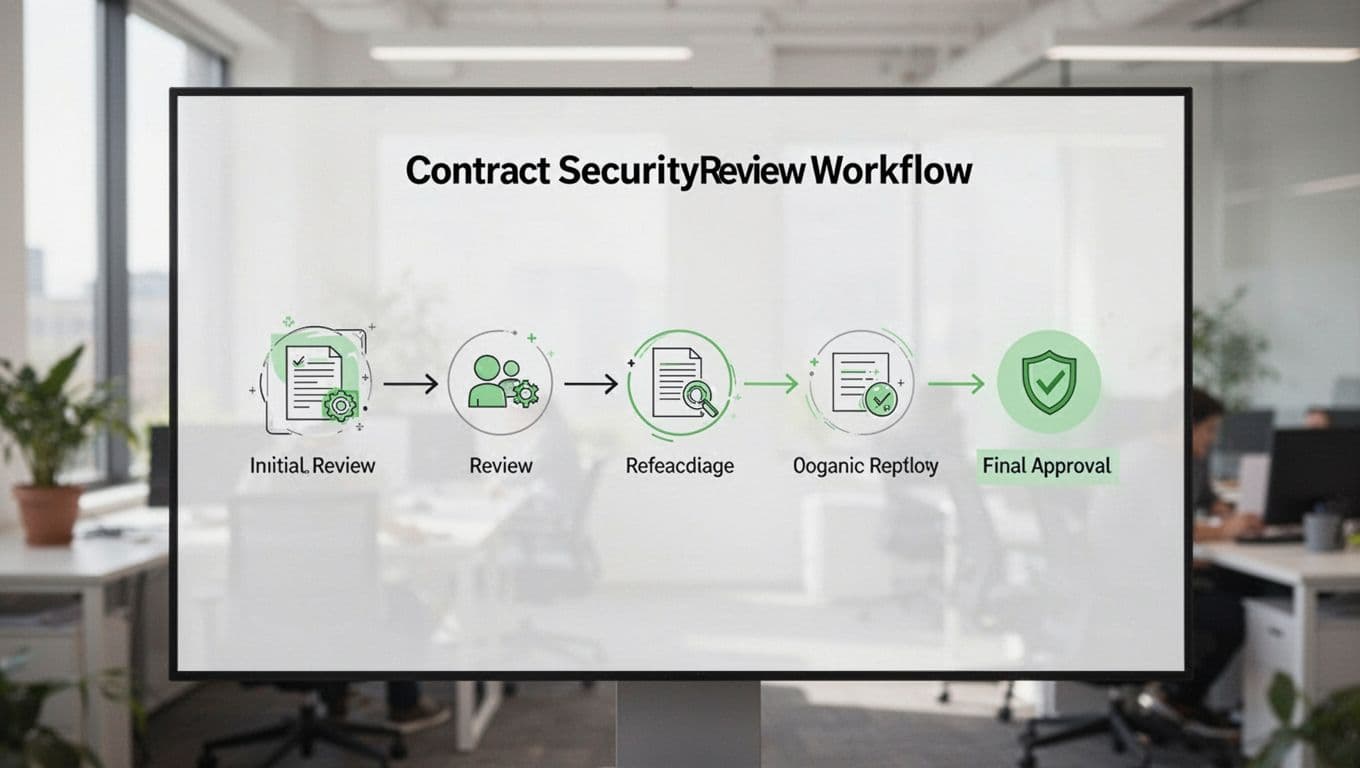
Embed this in tools like contract software. Auto-highlight weak spots.
Test it quarterly. Review past deals for misses. Adjust based on feedback.
This process scales. Beginners follow checklists; pros negotiate better terms.
Key Takeaways for Stronger Contracts
Trained teams spot weak security clauses fast. They protect data and cut risks through clear reviews.
Start simple: Teach core clauses, checklists, and escalations. Build processes that last.
Your procurement group now handles vendor risks like pros. Fewer breaches mean smoother operations.
What clause worries you most? Review one contract today.