table of contents
Engineering leads spot security flaws daily in pull requests. Yet many miss them because they lack quick training tools. Breaches from poor code reviews hit hard; supply chain attacks doubled in early 2026, and AI-generated code shows XSS flaws in 86% of web apps.
You want your leads to catch issues early without slowing teams. This guide shares practical steps to train them. It focuses on basics they can apply right away in code reviews.
Start with a simple framework that fits your workflow.
Why Secure Code Reviews Catch Breaches Early
Teams fix bugs cheaper in reviews than in production. Studies show code reviews catch 60 to 80% of security issues at low cost. OWASP agrees; manual reviews excel where tools fall short, like business logic flaws.
Recent data backs this. Over 23,000 CVEs appeared in early 2025 alone, many from unvalidated inputs and weak access controls. Broken access control affects nearly all apps tested. Leads trained in basics reduce these risks.
Focus training on high-impact areas. Leads don’t need deep expertise. They learn to flag common patterns and know when to escalate. This builds team confidence fast.
Integrate reviews into pull requests. Pair it with automated scans for efficiency. Leads then spend time on what matters.
Build a Simple Training Framework
Keep sessions short, 60 minutes max. Gather four leads around a shared screen with real pull requests. Discuss one change at a time.
Pick examples from your repo. Show a PR with unvalidated user input. Ask, “What could go wrong here?” Leads spot SQL injection risks quickly.
Use hands-on formats. Run a Secure Coding Dojo session. Teams review code blocks and score them. Track progress on a leaderboard.
Repeat monthly. Start with 30-minute reviews of past PRs. Leads practice spotting issues, then coach juniors.

Add gamification. Award points for catches. This boosts engagement without extra effort.
Scale with async options. Share video walkthroughs of reviews. Leads watch on their time, then quiz themselves.
Tie it to goals. Track how many issues leads flag pre-training versus after. Results motivate continued practice.
Key Vulnerabilities to Spot in Pull Requests
Train leads on seven core issues. They check these in every review.
First, input validation. Look for raw user data hitting databases or commands. Example: a web form value straight into SQL. Flag it; attackers inject code.
Next, authentication and authorization. Spot missing checks before sensitive actions. Does the code verify user roles? Weak sessions or bypassed perms lead to breaches.
Secrets exposure tops lists. Scan for hardcoded API keys or passwords in code. Git history hides them too; advise scanning commits.
Unsafe dependencies matter more in 2026. Check outdated packages with known CVEs. Supply chain attacks exploit these.

Injection risks follow. Beyond SQL, watch command or LDAP injections from unescaped inputs.
Insecure error handling leaks info. Stack traces reveal paths or versions. Train leads to log safely, without sensitive data.
Finally, logging sensitive info. Passwords or tokens in logs aid attackers. Use structured logs minus PII.
Leads flag these in comments. They suggest fixes like parameterized queries.
Create Effective Review Checklists
Checklists speed reviews. Leads use them as a baseline.
Build one from OWASP Secure Code Review Cheat Sheet. Customize for your stack.
List items like:
- Validate all inputs at entry.
- Confirm auth checks on endpoints.
- No secrets in code or configs.
- Dependencies up to date, no vulns.
- Safe queries, no injections.
- Errors don’t leak data.
- Logs exclude sensitive fields.
Post it in your repo wiki. Leads copy it into PR templates.
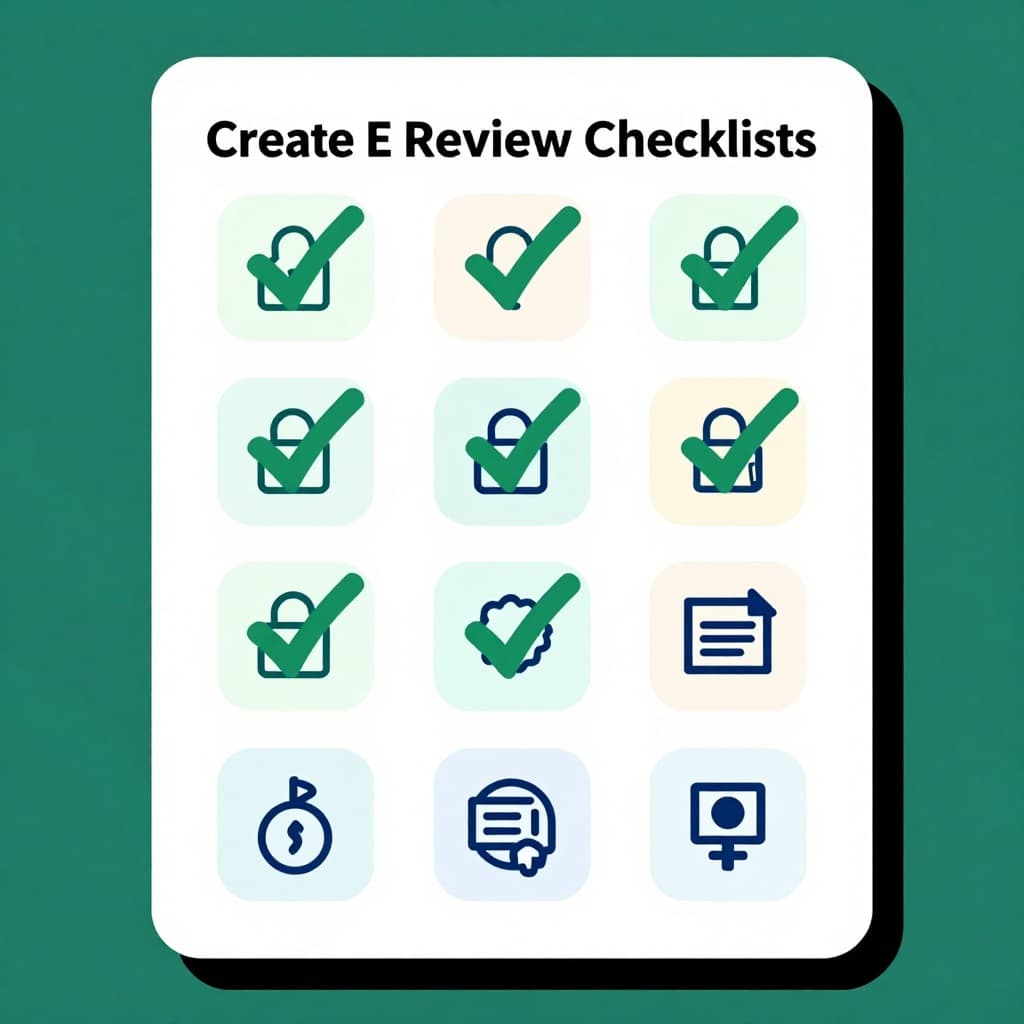
Review the checklist quarterly. Update for new OWASP Top 10 risks, like supply chain flaws.
Encourage secure-by-default patterns. Promote libraries with built-in validation. This cuts review time over time.
Know When to Escalate to Experts
Not all issues suit leads. They handle beginner fixes.
Escalate complex crypto misuse or custom auth flows. Example: weak algorithms or key reuse.
Business logic gaps need pros too. Leads note suspicions; security reviews them.
Set rules. If a PR touches payments or user data, loop in experts. This prevents overload.
Coach leads on questions. “Does this create new trust boundaries?” If unsure, ping security.
Tools help. Run SAST first; leads focus on false positives or context.
Integrate Secure Reviews into SDLC
Make it routine. Gate PRs with mandatory security labels.
Automate low-hanging fruit. Dependency checks in CI block merges.
Pair reviews with threat modeling lite. Before big changes, map data flows.
Measure success. Track flaw rates in prod. Fewer means training works.
For AI code, add checks. Leads verify generated snippets for common slips.
Key Takeaways
Secure code reviews save time and stop breaches. Train leads with hands-on sessions, checklists, and clear escalation paths.
They spot inputs, auth gaps, and secrets daily. Integrate checklists into PRs for consistency.
Your teams build safer code. Leads grow as coaches. For help scaling security training, Book a Discovery Call with Bud Consulting.
Start one session this week. Results follow fast.