table of contents
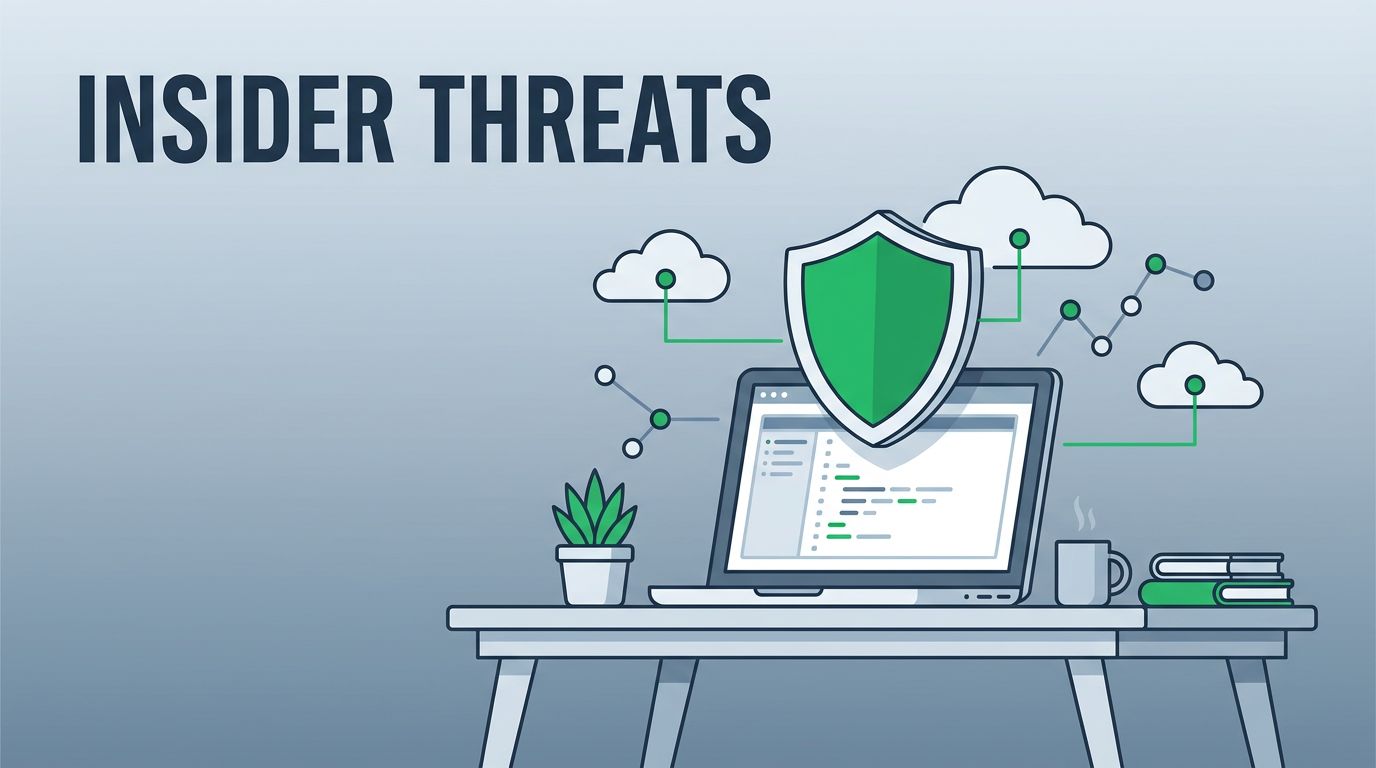
Remote work sticks around. Yet it amps up insider risks. Consider this: insider threats rose 58% since teams went hybrid, and 63% of businesses faced data breaches tied to it.
You lead security, IT, HR, or compliance. Unseen actions on home networks worry you. Employees grab files via personal clouds or BYOD phones with little oversight. That’s why a solid insider threat program matters now. It spots risks early while keeping trust intact.
This post breaks down remote-focused steps. You’ll get a phased plan, team tips, and pitfalls to dodge.
Understand Remote-Specific Insider Risks
Remote setups hide dangers. Workers log in from home Wi-Fi. They mix company data with personal apps. No office eyes mean data slips out unnoticed.
Key threats stand out. Unmanaged devices top the list. A sales rep syncs CRM notes to a family-shared laptop. Hackers snag it later. Cloud tools add fuel. SaaS sprawl lets staff share docs via unsecured links. Proofpoint notes data-driven tips for this remote workforce challenge.
BYOD policies bite back. Phones carry sensitive emails. Identity misuse follows. One weak password grants access to all. Data exfiltration rounds it out. Tools like USB drives or shadow IT move files off-grid.
Stats hit hard. The 2026 Cost of Insider Risks report pegs annual costs at $19.5 million per organization. Plus, 72% lack visibility into data flows across endpoints and clouds.

Picture a developer. They upload code to a personal Git repo. It leaks IP. Or HR pulls payroll data to Dropbox for “ease.” These happen daily.
Focus here first. Map your risks. Then build controls that fit remote life.
Assemble Your Cross-Functional Team
Solo security won’t cut it. Remote threats need everyone. Pull in HR for behavior cues, legal for policy checks, IT for tech, and compliance for rules.
Start with a core group. Name a program lead, often from security. Add one rep per function. They meet weekly via video. Share dashboards on user activity.
Why cross-functional? HR spots disgruntled staff quitting soon. IT flags odd logins. Legal ensures privacy laws hold. The SEI’s 13 key elements stress governance like this.
Build trust. Explain goals upfront. “We watch patterns, not people.” Train them on tools. Use shared platforms for alerts.
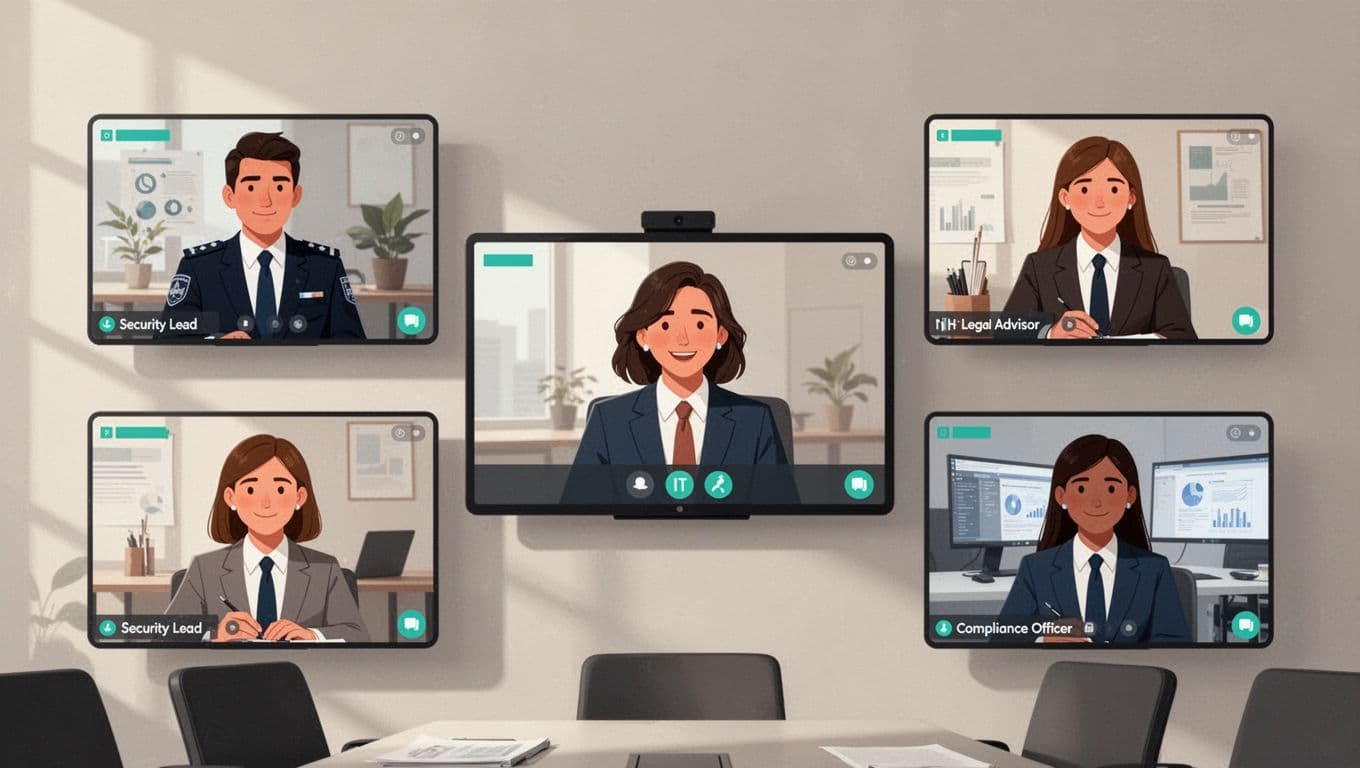
Example: Finance flags high download volumes. HR checks for life events like divorce. IT reviews device posture. Together, they triage without overreach.
This setup scales. Assign roles clearly. Document decisions. It keeps remote teams aligned.
Phased Implementation Approach
Roll out your insider threat program in stages. Rush it, and you lose buy-in. Go slow for lasting results.
Phase 1: Assess. Audit current gaps. Survey tools and policies. Baseline risks with data. Tripwire outlines risk assessment for remote work.
Phase 2: Build. Draft policies. Pick tools like UEBA for behavior analytics. Train your team.
Phase 3: Deploy. Pilot with one department. Roll out training. Monitor quietly.
Phase 4: Monitor and Refine. Review quarterly. Adjust based on metrics.
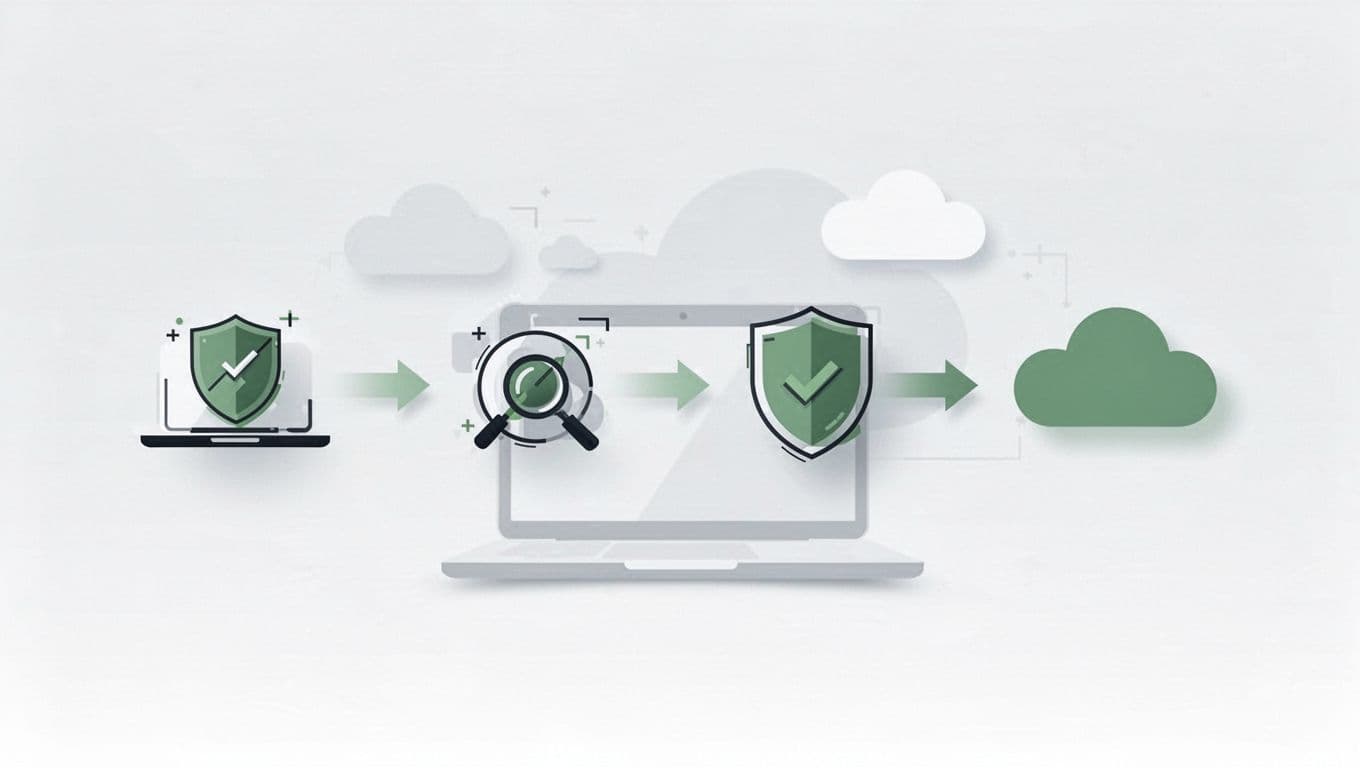
Teramind details eight steps like this. For remote, add VPN checks and DLP on endpoints.
Track success. Aim for fewer alerts over time. Share wins to build morale.
Tools and Training That Work
Choose right tech. UEBA spots anomalies like mass downloads. DLP blocks exfiltration. Integrate with SIEM.
For remote, endpoint agents matter. They watch unmanaged devices. Cloud access security brokers (CASBs) tame SaaS.
Training seals it. Run monthly sessions. Cover phishing, safe sharing. Use real examples: “John lost data via personal email.”
Balance privacy. Anonymize alerts. Get legal sign-off.
Stats back this. Cybersecuritystats.com tracks 2026 trends, showing 60% of leaks via personal clouds.
Common Mistakes to Avoid
Don’t monitor everything. It kills trust. Focus on high-risk actions.
Skip siloed teams. Security alone misses HR insights.
Ignore culture. Punish first, and reports drop.
Overlook contractors. They hold keys too.
Fix these. Test policies. Audit often.
Key Takeaways
Remote work demands tailored insider threat programs. Start with risks, team up across functions, and phase in changes. You’ll cut breaches while respecting privacy.
Costs average $19.5 million yearly. Act now. Mature programs save millions.
Need help building yours? Book a Discovery Call with Bud Consulting. They guide on culture and talent for strong security.
Your next step? Assess today. Teams stay safe that way.