table of contents
You’ve handled tough customer complaints without breaking a sweat. Or maybe you taught a class full of distracted students key lessons that stuck. Those skills matter in cybersecurity. Teams need people who spot risks in people and processes, not just code.
Nontechnical pros bring fresh eyes to security. They catch blind spots that coders miss. In 2026, with AI tools handling scans, human judgment on culture and compliance grows vital. You don’t need to code to contribute.
This post shows how to map your experience to security roles. You’ll see a clear path forward.
Spot Your Transferable Skills
Customer service reps excel at de-escalating issues. That calm under pressure fits security incident response. You talk stakeholders through crises without jargon.
Teachers break down complex ideas simply. They train employees on phishing risks or policy updates. Compliance teams value that clarity.
Legal pros review contracts for gaps. Auditors check controls. Operations managers track workflows. HR spots insider threats. Project managers coordinate audits. Communications writers craft awareness campaigns.
These roles overlap with security needs. For example, a former teacher might lead security awareness training. An auditor could shift to risk assessments.

Your background already equips you. List three skills from your resume. Match them to security tasks like training or reporting. This exercise reveals quick wins.
Target the Right Entry Roles
Search for junior titles that match your strengths. Look for “security awareness specialist” or “compliance coordinator.” These jobs focus on policy and people, not firewalls.
“Governance, risk, and compliance analyst” suits auditors or legal aides. No coding required. “Security operations coordinator” draws from project management.
In 2026 job boards, filter for “nontechnical security” or “entry-level cybersecurity business.” Remote roles in security culture consulting pop up often.
Tailor applications to company needs. A bank wants compliance pros. Tech firms seek communicators for user training. Read postings closely.
Start small. Volunteer for security tasks in your current job. Update policies or run a mock phishing drill. This builds proof.
Follow This Security Career Path Framework
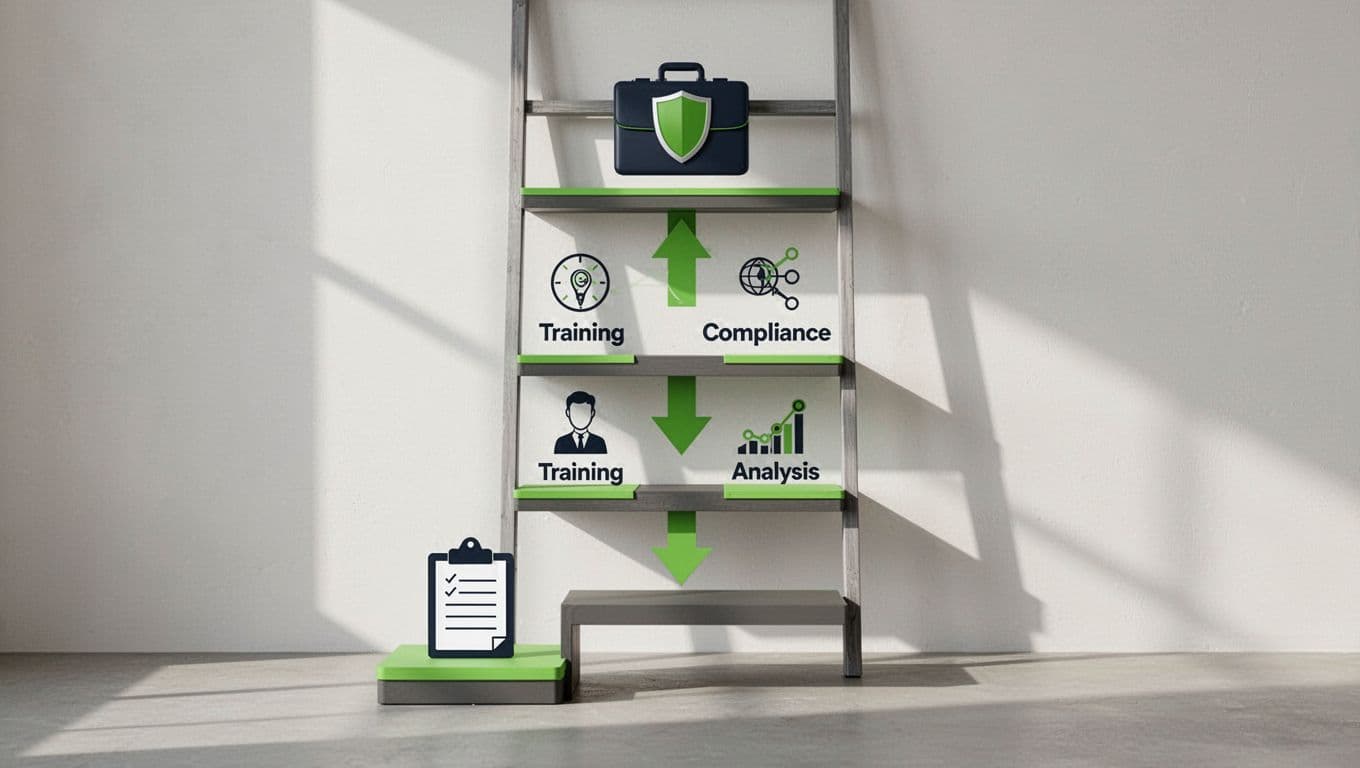
Nontechnical hires follow a steady climb. Start with basics, then specialize.
Here’s a simple five-step framework:
- Entry: Awareness trainer or compliance admin. Use people skills daily.
- Build: Take short courses on regulations like GDPR or NIST. Gain vendor certs in risk basics.
- Apply: Analyst roles in audits or reporting. Translate tech findings for leaders.
- Lead: Manage programs like vendor risk or employee onboarding security.
- Advance: Senior advisor or manager. Oversee teams blending business and tech.
Progress takes 2-5 years per step, depending on effort.
Track milestones quarterly. Network on LinkedIn with security pros from similar paths. Adjust based on openings.
Reposition Your Resume for Security
Hiring managers skim resumes. Highlight outcomes, not duties.
Swap “Handled 50 customer queries daily” to “Resolved high-stakes complaints, reducing escalations 30%.” Link to incident handling.
For teachers: “Designed engaging sessions for 30 students” becomes “Created targeted training that boosted retention 40%.” Ties to security education.
Use security keywords naturally. Add “risk assessment” if you audited expenses. “Policy enforcement” fits HR discipline cases.
Quantify wins. “Led cross-team projects on time” shows coordination for security ops.
Keep it one page. Lead with a summary: “Compliance-savvy professional transitioning to cybersecurity risk management.”
Tailor for applicant systems. Mirror job descriptions.
Thrive by Partnering with Technical Experts
You won’t work alone. Tech experts handle tools; you bridge to business.
Ask questions. “What risks worry execs most?” Listen in meetings. Share user pain points.
Use analogies. Compare firewalls to locked doors. Tech teams appreciate plain talk.
In standups, own nontech tasks like reporting or training. Free coders for scans.
Build trust over coffee chats. Celebrate joint wins, like a smooth audit.

Conflicts arise. Tech folks dive deep; you focus broad. Align on goals first. This partnership strengthens teams.
Key Takeaways
Your nontechnical skills fill real gaps in security teams. Spot matches from your past work. Target entry roles like compliance coordinator.
Follow the five-step path: entry, build, apply, lead, advance. Reposition your resume with outcomes. Partner closely with tech experts.
Cybersecurity welcomes diverse talent. Start today with one resume tweak or course.
Book a Discovery Call with Bud Consulting to map your next move.