table of contents
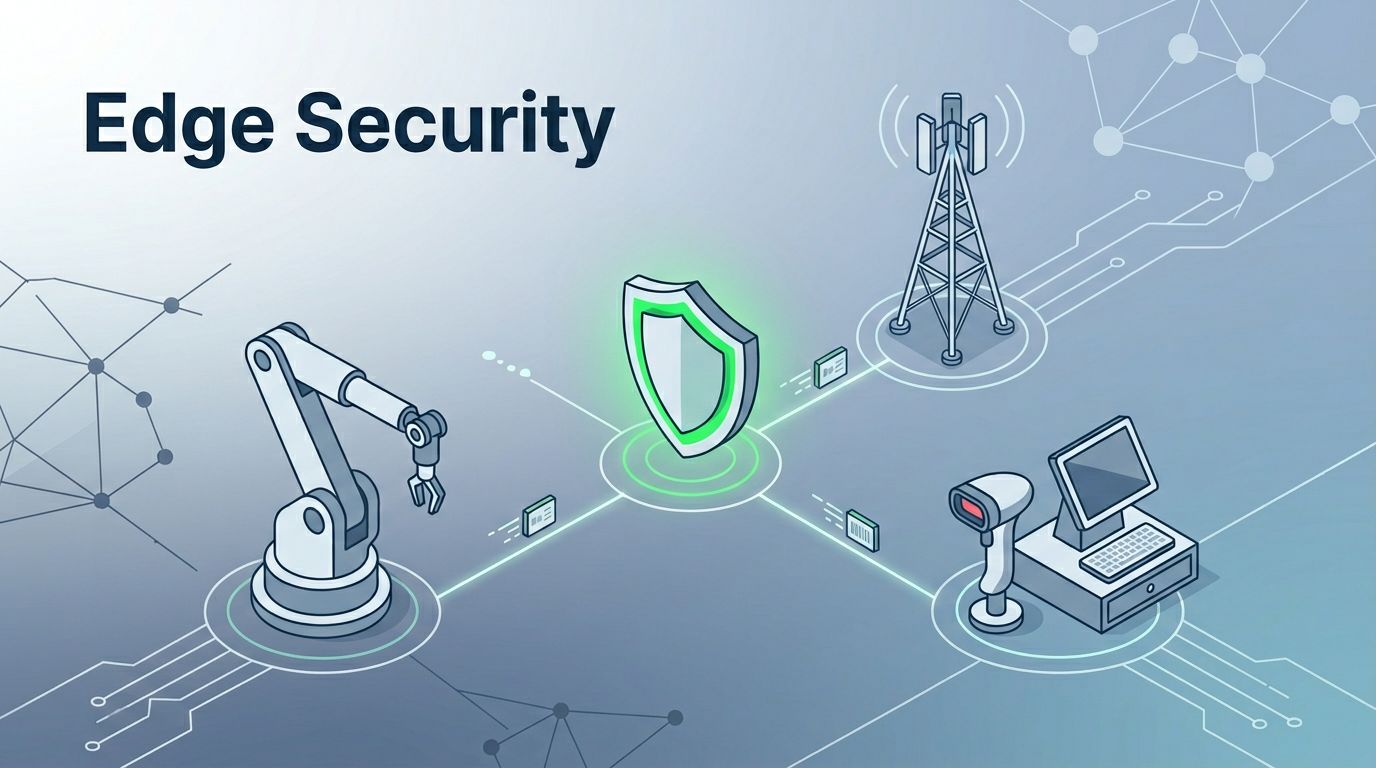
Edge devices process data right where it’s generated. Factories, stores, and cell towers run them. But these spots expose hardware to theft or tampering. You can’t rely on central firewalls anymore.
Traditional cloud playbooks assume steady connections and locked rooms. Edge setups don’t work that way. They face spotty networks and limited CPU. That’s why edge security playbooks need a fresh approach. They guide quick, local responses.
This article shows you how to build them. You’ll get checklists and triggers for real threats.
Why Edge Security Playbooks Differ from Traditional Ones
Cloud security playbooks focus on central controls. Data centers have guards, UPS power, and 24/7 links to SOC teams. Edge nodes sit in oil fields or retail aisles. They deal with dust, power flickers, and curious hands.
Physical exposure tops the list. Attackers touch devices directly. Intermittent connectivity blocks cloud checks. Constrained hardware runs light OSes without full EDR agents. Remote admin means one wrong SSH opens doors.
Traditional playbooks wait for alerts to ping headquarters. Edge ones act local first. They use attestation to prove device health before data flows. Policy engines run on the node itself.

For example, supply chain risks hit harder at the edge. Firmware from vendors might hide backdoors. You need signed boot chains. Check out these edge computing security architecture best practices for TPM mandates and immutable OSes.
In short, edge playbooks prioritize autonomy. They assume the network drops. Local decisions keep operations running.
Key Risks in Decentralized Edge Infrastructure
Decentralized setups spread risk. Each node handles its fate. Common pitfalls include config drift and cert lapses.
Unauthorized changes sneak in during remote updates. Malware spreads via USB ports. Network segments fail under load.
Zero trust fits here. Verify every access, even local. SASE or SSE tools enforce it at the edge PoP. Identity-based controls use SPIFFE for service meshes.
EDR/XDR agents adapt for low-power devices. They watch behaviors without heavy scans. Secure boot and attestation block tampered starts.
Real-time trends show misconfigs cause most breaches. Patch edge-facing flaws first, like April 2026 Microsoft updates. Inventory all endpoints weekly.
Build playbooks around these. Test them offline. That way, they work when links fail.
Triggers and Responses for Common Edge Scenarios
Playbooks shine in crises. Define clear triggers. Automate where possible.
Start with device compromise. Trigger: Failed attestation or odd CPU spikes. Response: Isolate via network ACLs. Run local forensics. Rollback to last good image.
Certificate expiration: Monitor expiry 30 days out. Trigger alerts on cron jobs. Auto-renew with hardware keys. Fallback to quarantine.
Config drift: Hash configs at deploy. Scan hourly. Drift triggers revert and audit logs.
Malware detection: Endpoint agents flag signatures. Quarantine files. Push atomic updates.
Network segmentation failure: Traffic hits wrong VLANs. Enforce micro-segmentation. Alert on mTLS breaks.
Here’s a sample flow:
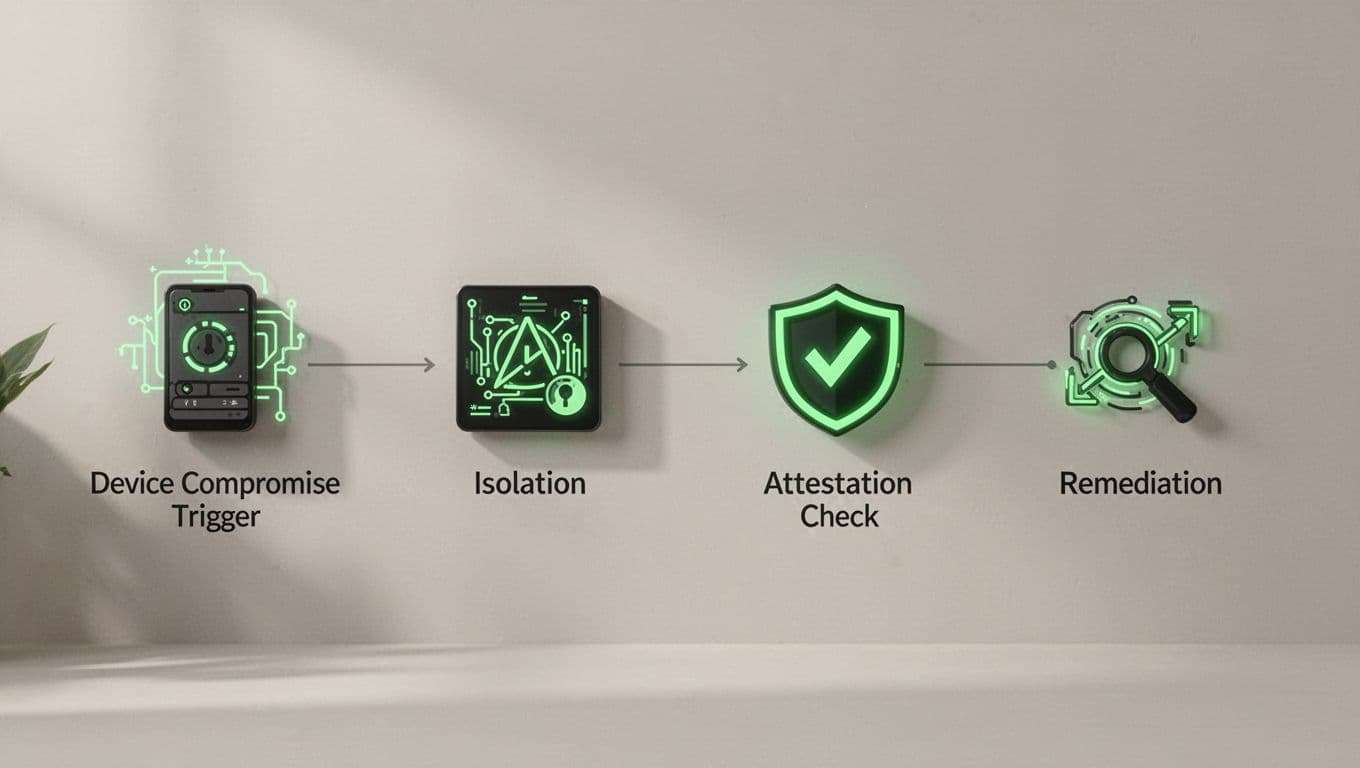
These draw from edge security patterns. Use policy automation like OPA for enforcement. Drill monthly.
Frameworks and Checklists to Get Started
Frameworks make playbooks repeatable. Start with a baseline hardening checklist.
- Enable secure boot and TPM 2.0.
- Deploy immutable OS with A/B updates.
- Set least-privilege identities.
- Encrypt data at rest and transit.
- Configure local logging with short retention.
Next, layer zero trust. Continuous verification for all flows. Use edge-native tools for SSE.
For IR, assign roles: node owner, central analyst, exec sponsor. Escalate on persistence.
Test with red team sims. Measure time to isolate.

Follow this 2026 playbook for edge governance. It covers policy-as-code and drift detection. Update quarterly as threats shift.
Integrating AI and Automation in Edge Playbooks
AI spots anomalies fast at the edge. ML models run on-device for low latency. They flag AI-powered attacks before cloud pings.
WAAP stacks protect APIs and functions. IaC like Terraform deploys consistent configs.
Automate responses with GitOps. Push policies via signed attestations. Heartbeats report status during outages.
In 2026, edge functions need runtime guards. Micro-policies block risky calls. See edge-ready defenses for PoP enforcement.
This setup cuts response times. Nodes self-heal common issues.
Conclusion
Edge security playbooks turn chaos into control. They handle local threats without central crutches. Focus on hardening, triggers, and automation first.
You now have checklists and examples to build yours. Start small: Pick one scenario like cert expiry. Test it this week.
Need help scaling? Book a Discovery Call with Bud Consulting. Secure your edge today.